

This year’s most-read articles on women’s health surrounds racial inequalities, barriers to care, and other topics that affect a woman’s quality of life.
This year’s most-read articles on women’s health surrounds racial inequalities, barriers to care, and other topics that affect a woman’s quality of life.

Lower US life expectancy attributed to COVID-19, drug overdoses; suggestions to mask up lack teeth even as respiratory illnesses and hospitalizations spike; emergency department (ED) doctors look to curb private equity investments in staffing firms.

Of 6563 men who have sex with men (MSM) living in urban areas in 2017, only 7.7% reported HIV self-testing in the past year.

Martina Bebin, MD, MPA, professor of neurology, University of Alabama at Birmingham Epilepsy Center, discussed Infantile Spasms Awareness Week, the strides made within the field, and the emphasis on early and accurate diagnosis.

A recent genome-wide association study found hundreds of genes linked to risk for colorectal cancer among a diverse worldwide population.

Lower estimated tubular secretion was found to be associated with a faster decline of estimated glomerular filtration rate (eGFR) but wasn’t associated with progression of chronic kidney disease or cardiovascular disease.
In 2022, the most-read news about immuno-oncology included an FDA approval for liver cancer, research findings on other potential therapies for liver cancer, a Q&A with a COTA Healthcare executive about how real-world evidence has changed, new possibilities for patients with solid tumors, and more.
The most-read multiple myeloma (MM) articles of the year included the topics of novel treatments, the role of gene expression influence on MM, and more.
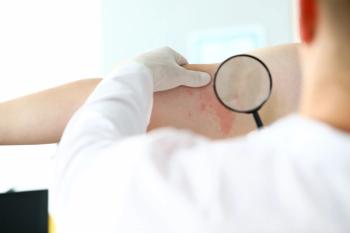
Adult patients with moderate-to-severe atopic dermatitis (AD) in the phase 3 BREEZE-AD7 study showed sustained improvement of AD signs and symptoms after 68 weeks with combination treatment of bariticitinib and topical corticosteroids.

A pair of abstracts presented during this year’s 64th American Society of Hematology Annual Meeting and Exposition explored barriers to treatment for sickle cell disease (SCD).

2022's most-read news about the pandemic included the impact of COVID-19 on patients with asthma, the Biden administration's plans to advance vaccination and other initiatives, information about when SARS-CoV-2 is at its most infectious, and more.

For this analysis, the Japan Pulmonary Hypertension Registry provided data from 2008 to 2021 on patients with diagnosed portopulmonary hypertension (PoPH).

Cemiplimab with chemotherapy appears to offer value comparable to other options and may be "an important tool to use" in first-line treatment of non-small cell lung cancer (NSCLC), said Davey Daniel, MD, chief medical officer for OneOncology, lung cancer specialist.

The top 5 most-read articles about diabetes featured stories on FDA approvals, drug prices, and the effectiveness of vitamin D in diabetes prevention, among others.

In this study, researchers treated 37 basal cell carcinoma (BCC) lesions from 30 patients, with follow-ups at 5 time points after baseline examination.

The new federal spending bill includes changes to Medicaid enrollment, postpartum coverage, and other health programs; new research shows widened disparities among US adults with diabetes using insulin; in 2022, the Drug Enforcement Administration confiscated more than 379 million fentanyl doses.


The most-viewed eosinophilic esophagitis (EoE) content of the year covered new developments in treatment options for EoE, the prevalence of EoE in the allergic disease population, and the impact of EoE on a child’s well-being.

Jessica Allegretti, MD, MPH, medical director of the Crohn's and Colitis Center, Brigham and Women's Hospital, explained the mechanism of action for Rebyota, the first fecal transplant therapy approved by the FDA for the prevention of recurrent Clostridioides difficile infection (CDI) in individuals 18 years and older, following antibiotic treatment for recurrent CDI.
In heart failure this year, value-based care, left ventricular ejection fraction, and disease prevention were among the most popular topics discussed.

A research letter examined the clinical presentation, disease severity, associated comorbidities, and management of hidradenitis suppurativa in older adults aged 65 years or older.

A new study found that short sleep duration and high siesta ratio were associated with a higher risk of hypertension and elevated risk of cardiovascular diseases.

Incidence of Parkinson disease in North America was 50% higher than previous estimates of 60,000 diagnoses annually.
The top 5 most-read content in leukemia and lymphoma for 2022 addressed chimeric antigen receptor T-cell therapy, updates in recommended treatment, and President Joe Biden’s announcement on the return of the Cancer Moonshot.

Diagnoses of psoriatic arthritis, rheumatoid arthritis, axial spondyloarthritis, or undifferentiated inflammatory arthritis saw a dramatic decline during the early stages of the COVID-19 pandemic.

A new study has found that prolonged screen time may cause increased symptoms of dry eye disease (DED) in children.
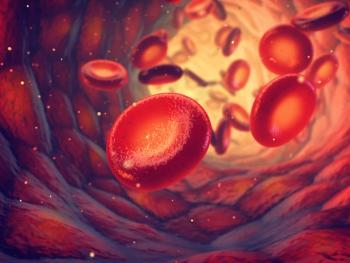
A pair of abstracts presented at this year’s 64th American Society of Hematology Annual Meeting and Exposition bear out the significant transfusion-free rate at 3 years following beti-cell administration and marked improvements in patient-reported outcomes, including the ability to work and be physically active.

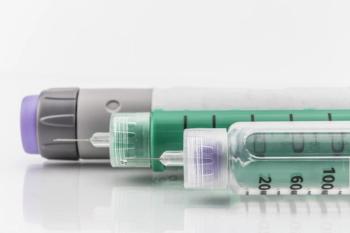
Content published on AJMC.com focusing on automated insulin delivery devices over the past year highlighted utilization of these devices by age, compared different types of systems, looked at barriers to uptake, and examined equity issues standing in the way of access.
A new study has found that Mexican Americans and non-Hispanic Black Americans had low rates of glycemic control compared with non-Hispanic White Americans.