

Ninety-six percent of the study population also had confirmed chronic traumatic encephalopathy on autopsy.
Ninety-six percent of the study population also had confirmed chronic traumatic encephalopathy on autopsy.

Poor cardiovascular health, especially high BMI and poor sleep, is linked to a substantially higher risk of overactive bladder, new data show.

A VESALIUS-CV analysis found a 20% reduction in all-cause death with evolocumab in patients without prior MI or stroke, emerging after 1.5 years.

Review finds 91 new lung cancer screening and pulmonary nodule AI tools, but few get external validation or calibration, risking flawed LDCT decisions.

A newly validated scoring instrument extends alopecia areata assessment to the eyebrows, eyelashes, and beard.

Data show most older adults with newly diagnosed AML expect stable or improving physical function, while oncologists anticipate decline.

This extension to smaller drugmakers addresses a gap that has increasingly drawn attention from policy watchers.

Selinexor, an oral XPO1 inhibitor, delivers modest spleen volume reduction in ruxolitinib-refractory MF with minimal myelosuppression in ESSENTIAL trial news.

Updated systematic review finds GLP-1 therapies deliver substantial weight loss, with newer multiagonists and oral options expanding treatment choice.

A Chest study of 1576 patients finds a 20% emphysema threshold best predicts survival and lung function decline in fibrotic ILD.

FUSION trial data published show FFRCT added to CCTA safely cut unnecessary catheterizations.

Patients with myasthenia gravis (MG) lived 15 to 19 years longer than those with multiple sclerosis (MS) across 4 datasets.

Traveling a greater distance for cataract surgery significantly lowered the odds of receiving it, with each 100 miles cutting odds by 14% overall.

A 3-cohort study finds CC16 levels flag airway remodeling and fibrosis-like lung damage up to 3 years after severe COVID-19.

This study links NT1 to anterior hypothalamus shrinkage, advancing orexin/hypocretin insights and a potential biomarker for narcolepsy with cataplexy.

The phase 3 MINT trial found inebilizumab significantly reduced exacerbations and rescue therapy use in patients with generalized myasthenia gravis.

In this analysis, all 4 biologic classes showed reduced risk, and the CV benefit remained consistent across White, Black, and Asian patients.

Coverage of our peer-reviewed research and news reporting in the health care and mainstream press.
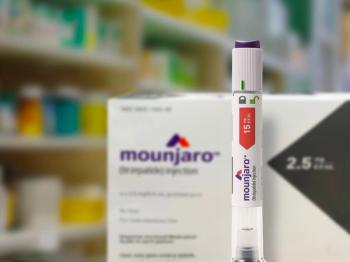
Tirzepatide is now approved to lower cardiovascular death, heart attack, or stroke risk in adults with type 2 diabetes.

FDA approves brepocitinib, the first oral, targeted therapy for adult dermatomyositis, backed by phase 3 VALOR data.

A 4-million-person study finds unvaccinated COVID-19 infection raises myocarditis, pericarditis, and death risk far more than the Pfizer vaccine.

The findings reinforce monitoring and managing thrombotic risk across the PV population rather than focusing on traditionally defined high-risk patients.

Experts discussed childhood vaccine recommendations, school requirements, exemptions, misinformation, and vaccine hesitancy.

County-level CRC mortality fell substantially since 2000, but some counties still had rates more than 13 times the Healthy People 2030 target in 2019.

Nearly 1 in 3 women aged 21 to 29 and 1 in 7 aged 30 to 65 had never been screened for cervical cancer by 2023.

A narrative review finds insomnia is a consistent, dose-dependent cardiovascular risk factor, but trials have not shown that treatment lowers risk.

A review maps psoriasis's 3-stage path to psoriatic arthritis and tools to catch it before joint damage.

The study authors indicated that future investigations could further facilitate clinical decision-making regarding these regimens’ effectiveness.

AHIP's Jeanette Thornton details health care's prior authorization commitments as a 2027 real-time approval target approaches.

The phase 4 study will track serum transthyretin and other biomarkers in 50 adults with ATTR-CM switching from tafamidis to acoramidis over 6 months.