

Oncology
Latest News
Advertisement
Latest Videos






Advertisement
More News

Coverage of digital technology updates at Patient-Centered Oncology Care, November 16-17, 2017.
Coverage of digital technology updates from Patient-Centered Oncology Care, November 16-17, 2017.
Coverage of digital technology updates from Patient-Centered Oncology Care, November 16-17, 2017.
Coverage of the Keynote Address from Patient-Centered Oncology Care, November 16-17, 2017.
Traditionally, objective response rate (ORR) is used as the primary end point for phase 2 trials assessing the efficacy of anticancer therapies. However, in phase 2 trials of immune checkpoint inhibitors for advanced solid cancers, progression-free survival (PFS) is recommended as a primary end point over ORR, according to a study published in JAMA Oncology.
Blood or marrow transplantation (BMT) can have an impact on a patient’s cognitive functioning, affecting a survivor’s ability to integrate with a group of people and return to work. In addition, BMT recipients can experience a weakened memory, a loss of attention and concentration, and difficulty learning.

Kazia Therapeutics Limited, an oncology-focused biotechnology company, announced on Friday that it has received the FDA’s Orphan Drug Designation for its investigational drug, GDC-0084, for the treatment of glioblastoma multiforme, the most aggressive form of primary brain cancer.
Dr Alvarnas is editor in chief and director of Value-Based Analytics at City of Hope, Duarte, California.

A study to be published in the Journal of the American College of Surgeons found that a safety-net hospital in Florida could perform an esophagectomy, a highly complex operation, with fewer complications and shorter hospital stays than the national average.
Every week, The American Journal of Managed Care® recaps the top managed care news of the week, and you can now listen to it on our podcast, Managed Care Cast.

Recent study results showed larotrectinib was effective in patients with tropomyosin receptor kinase fusion-positive cancer, regardless of the age of the patient or the tumor type. In addition to implications for the treatment of genetic alterations across tumor types, these study results underscore the importance of molecular profiling of tumors, through which patients were identified for the studies, on ensuring precision medicine is used in practice while simultaneously providing a cost-effective tool.

This week, the top managed care stories included the Trump administration proposed extending the duration of short-term health plans; a report found that CAR T-cell therapies are worth their high price tags; the new issue of Evidence-Based Oncology® examined current issues in immunotherapy.

Coverage of our peer-reviewed research and news reporting in the healthcare and mainstream press.

Cell-free DNA derived from liquid biopsy offers the potential for minimally invasive genome-wide profiling of tumor alterations without tumor biopsy and can predict patient survival outcomes for patients with metastatic triple-negative breast cancer, according to a team of researchers.
CAR T- cell therapies are among the most expensive ever invented. For now, there’s a lot of uncertainty, as both government and commercial insurers, and a handful of the nation’s leading cancer centers, navigate a reimbursement structure that truly has no precedent.
African American patients and uninsured patients are more likely to have diminished employment participation 2 years after being cancer free than are those with no history of cancer, according to new research published in Cancer.

CAR T-cell therapies tisagenlecleucel (Kymriah, Novartis) and axicabtagene ciloleucel (Yescarta, Kite Pharma/Gilead) may come with hefty price tags, but the cost-effectiveness of both therapies fell below or within commonly cited thresholds of $50,000 to $150,000 per quality-adjusted life years, according to a report by the Institute for Clinical and Economic Review.

What We're Reading: Cost of Healthcare Bills; Albertsons Buying Rite Aid; Pediatric Cancer Therapies
Research analyzes the cost of processing healthcare bills; supermarket operator Albertsons will buy drugstore chain Rite Aid; a review of phase 1 clinical trials finds just 1 in 10 children with cancer see improvements.
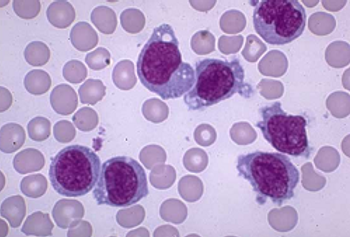
Patients with chronic myeloid leukemia (CML) who have a sustained deep molecular response can maintain treatment-free remission for at least 48 weeks after using second-line nilotinib, according to a new study published in Annals of Internal Medicine.
Ipililumumab's role in treating melanoma will change, as the immunotherapy will likely become part of different combinations than we see today.
Last year's approval of trastuzumab biosimilar, Ogivri, will be the first competitor to blockbuster drug, Herceptin, for the treatment of HER2-positive breast cancer since its discovery.
Two stories--of taking part in clinical trials, and of serving as a voice for patients among scientists who run them--highlight how the advances in cancer are built on the trust between those living with the disease and the clinicians on the frontiers of care.
Advertisement
Advertisement
Trending on AJMC
1
5 Things to Know About the One Big Beautiful Bill Act
2
PBM Reform and Supportive Care Needs: Nicolas Ferreyros
3
Coroner Reports Pennsylvania's Sixth Measles-Associated Death
4
Genetic Analysis Links Insomnia Liability to Higher Inflammation Marker
5