An estimated 44,052 sports eye injuries were treated in 2025 and 1262 pickleball eye injuries in 2024; 99% of lawnmower eye injuries were at home.
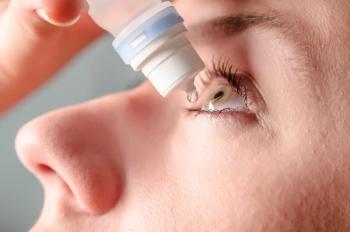
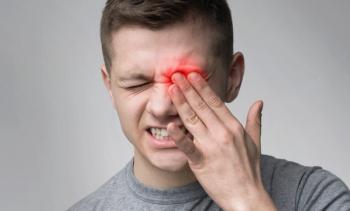
Dry eye disease primarily causes stinging in the eye and blurry vision, which can affect quality of life.
July is
Here are 5 things that patients should know about dry eye.
Dry eye disease, as the name implies, is primarily driven by a dryness in the eyes that can occur throughout the day for a number of reasons. However, the reason behind the dryness can vary by the patient.2 Some patients experience evaporative dry eye, which is when tears evaporate too quickly, which can be caused by meibomian gland dysfunction. Other patients can experience aqueous-deficient dry eye, which is caused by the lacrimal glands not producing enough tears in the eyes.
Mixed dry eye is also possible, where patients can have both aqueous tear deficiency and tear instability. All of these forms of dry eye need to be identified to treat properly.
Although dry eye can sound like a simple thing to look out for, symptoms of dry eye can vary a lot by person. Reduction in tear quality or quantity can cause fluctuation in vision or blurry vision. This can be present when reading or driving for long periods of time. Some patients can get eyes that tear a lot as the eye tries to make up for a deficiency in the oils from the oil glands that line the eyelid. Patients can also report having burning, stinging, a foreign body sensation, or even light sensitivity as part of their dry eye, all of which can have an effect on quality of life.
Although symptoms of dry eye can occur naturally, there are also other ways that dry eye can be exacerbated. Screen use is a major reason for dry eye among people of all ages, as screens can cause patients to blink less than normal. Fans pointed at the face can also cause dry eye as well as being in areas with lower humidity. In these cases, adapting to the environment can be beneficial, including getting a humidifier to increase humidity in the air. Patients can also monitor their screen use, including using the 20-20-20 rule, which encourages patients to look away from their screen to a distance of about 20 feet for 20 seconds every 20 minutes. This can reduce eye strain and help prevent worsening of dry eye.
Although dry eye can affect all populations, some populations are more at risk than others. Women can be at an increased risk for dry eye as well as adults who are aged 50 years and older. Younger populations with increased use of screens have a higher likelihood of having dry eye. People who use contact lenses can also have an increased prevalence of dry eye. Patients who fall into these categories should regularly assess their eyes to determine if they have dry eye.
The severity of dry eye can determine whether patients can seek at-home remedies, over-the-counter treatment, or prescription treatments. For prescriptions, perfluorohexyloctane ophthalmic solution (Miebo; Bausch + Lomb) is a prescription eye drop that can target the evaporation of tears in the eye. The drops work to coat the eye to help patients with symptom relief. Topical cyclosporin eye drops can be used to increase the production of tears. Topical steroids can provide relief in those with flare ups.
However, many patients can use artificial tears that can be found over the counter. The type of artificial tear can be different depending on whether the patient has evaporative or aqueous deficient dry eye, which makes it important to define the type of dry eye that the patient has. At-home remedies can include warm compresses as well, which can work to help with tear quality. Cleaning the eyelids and removing debris is also a method of treating dry eye at home.
References