

Opinion|Videos|August 6, 2024
Addressing Persistent Symptoms in Chronic Spontaneous Urticaria: Beyond IgE-Targeted Treatments
Panelists discuss how 30%-50% of patients with chronic spontaneous urticaria remain symptomatic despite treatment, examining the impact of treatment burdens, the limitations of targeting the IgE pathway, and the need for new therapies addressing the IgG pathway.
Advertisement
Episodes in this series
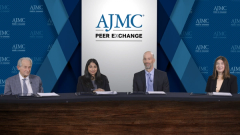
Video content above is prompted by the following:
- A significant percentage (30%-50%) of patients are still symptomatic with chronic spontaneous urticaria while on certain recommended doses. What do you believe accounts for this high number of patients who are not responding adequately?
- Patients have to come in for first 3 doses because this a biologic. Is this preferred? Is there a burden on these patients?
- Said prescription targets the IgE pathway, but a significant percentage of patients have IgG antibodies as part of their disease pathophysiology. What do you do in your patients who do not respond to this prescription?
- Why is it imperative to develop new treatments that target the IgG pathway?
Advertisement
Related to this article

Full INTerpath-001 results show the individualized mRNA therapy plus pembrolizumab reduced recurrence risk in resected stage IIB-IV melanoma.

Kidney Week 2026 abstracts show that AMKD progresses quickly in routine practice, with or without diabetes, despite background CKD therapy.
Insurance barriers were the top reason 4 in 10 people prescribed long-acting PrEP at a Missouri clinic never received it, an IDWeek 2026 poster found.

A retrospective study suggests strength exercise may be a safer option than endurance exercise for some people with ACM.

Infant flu protection from maternal vaccination varied by timing, while pediatric vaccination fell to 49.4%, experts report at IDWeek 2026.

The NCCN’s latest esophageal/EGJ guidance raises durvalumab plus FLOT to a category 2A recommendation for PD-L1–negative, diffuse-type disease.

Legal and clinical experts examined the US medical aid in dying framework, its limits, and ethical debates.
The pilot pairs grocery stipends and community health worker support with members who have unmanaged diabetes and unmet social needs.
Advertisement
Advertisement
Trending on AJMC
1
Merck, Moderna Cancer Vaccine Cuts Melanoma Recurrence Risk by 42%
2
Pulmonary Embolism Can Affect Elite Athletes, Too: Samantha Pettigrew, MD
3
Uninsured Rate Rises to 11.2% as Coverage Erodes Before Medicaid Cuts
4
UPMC Health Plan's Food as Medicine Pilot for Members With Diabetes
5