Disease-modifying therapies that target amyloid accumulation have reordered the calculus around Alzheimer disease: earlier diagnosis can now mean slower progression, not just earlier bad news. But the tools available to identify disease sooner, including blood-based biomarkers and expanded imaging, are landing on a diagnostic system many clinicians say was not built to use them quickly or equitably. By 2050, nearly 13 million Americans are projected to be living with Alzheimer disease dementia.1
That tension framed a discussion among physicians, a neuropsychologist, and a practice administrator who gathered on July 30, 2026, in Atlanta, Georgia, at an American Journal of Managed Care® Population Health Roundtable, “Closing the Gap: A Population Health Approach to Earlier Alzheimer Disease Identification, Diagnosis, and Treatment.” Kavita Nair, PhD, FAAN, a clinical investigator and outcomes researcher in the Department of Neurology and the Skaggs School of Pharmacy and Pharmaceutical Sciences at the University of Colorado Anschutz Medical Campus, moderated. The panel spanned neurology, geriatric psychiatry, primary care, epidemiology, and neuropsychology, drawn largely from Emory and Savannah Neurology Specialists.
Roundtable Participants
- Kavita Nair, PhD, FAAN (moderator) — University of Colorado Anschutz Medical Campus
- Ambar Kulshreshtha, MD, PhD — Emory University
- Anthony Chatham, MD — Emory Healthcare
- Antoine Trammell, MD, MPH — Emory University, Goizueta Alzheimer’s Disease Research Center
- Amy Knighton, CPC, FACMPE, DAAN — Savannah Neurology Specialists
- Kayci Vickers, PhD — Emory University
- Gregory Esper, MD, MBA — Emory Health Plan, Emory University
- Sara Turbow, MD, MPH, FACPM — Emory University, Integrated Memory Care Clinic
Blood-Based Biomarkers Reach the Clinic, but Guardrails Lag Behind
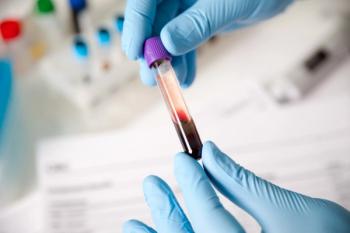
Ambar Kulshreshtha, MD, PhD, associate professor in the departments of family and preventive medicine and epidemiology at Emory University, said blood-based testing has already moved into primary care workflows.
“We can order a blood-based biomarker, the P-Tau 217, very easily. Patients are asking about it...The environment has changed; where before you’ve even discussed it, sometimes patients have heard of it, and they’re asking [first],” Kulshreshtha said.
That accessibility has outpaced clinical guidance, panelists said. Antoine Trammell, MD, MPH, associate professor in the Department of Neurology at Emory and a physician-scientist with the Goizueta Alzheimer’s Disease Research Center, said diagnosis is complicated by variable presentation.
“One thing that can complicate diagnosis is you can have different phenotypes of cognitive challenges...Someone may have an executive issue that’s missed. Someone can just have naming challenges or visual-spatial domain challenges… Some of the screening tests really focus only on amnestic issues,” Trammell said.
Kayci Vickers, PhD, a geriatric neuropsychologist and assistant professor in the Department of Neurology at Emory, said patients increasingly arrive with a biomarker-positive result and no guidance on what it means while still asymptomatic. The psychological toll of that uncertainty is substantial, she said, and neuropsychology clinics face a widening gap between rapid testing and confirming what a result actually means.