HR 1 brings Medicaid work requirements and narrower immigrant eligibility by January 2027, and CBO projects 10 million more uninsured by 2034.
Behavioral text nudges outperformed nurse calls, boosting FIT completion by 9 percentage points at an FQHC while saving staff time.
Automated text messages drove a 9–percentage point improvement in fecal immunochemical test (FIT) completion rates at a large federally qualified health center (FQHC) network, helping to close
CRC remains one of the most preventable yet underscreened cancers in the US. As of
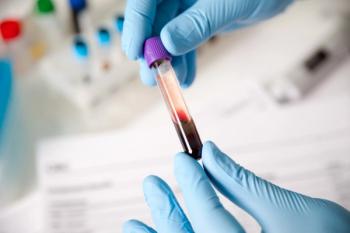
The researchers highlighted FIT as an emerging frontline screening tool for safety-net settings given its low cost, noninvasive nature, and annual recommended cadence.1 Even when kits are distributed free of charge, they explained that patients frequently fail to return them, often due to forgetfulness, logistical friction, or uncertainty about instructions.
Prior research has explored mailed FIT outreach and patient navigation, but these are resource-intensive models unfit for underfunded primary care systems. Instead, behavioral economics–based nudges offer a potentially scalable alternative. The researchers emphasized that text messaging, in particular, provides a low-cost, automated delivery channel that can embed multiple nudges into a brief patient interaction.
In an effort to increase FIT completion at a large FQHC network, they conducted a quality improvement randomized clinical trial to test whether such an approach could outperform the usual nurse-led telephone outreach. The primary outcome was FIT completion, defined as kit return and laboratory processing, within 21 days of the order, as documented in the electronic health record. Secondary outcomes included completion at 7 and 14 days.
The trial was conducted from April 7 to June 24, 2025, across 8 FQHC sites within the Family Health Centers at NYU Langone in Brooklyn, New York. The network serves more than 100,000 patients annually and reported a 2024 CRC screening rate of 59%, which was higher than the FQHC average but still below national benchmarks. Eligible participants were adults aged 18 or older with a newly placed FIT order who had not opted out of text messaging and listed English, Spanish, or Mandarin/Cantonese Chinese as their preferred language.
Participants were randomized 1:1 using a computer-generated sequence at the time of FIT order. The intervention group received up to 3 automated, one-way text message reminders on days 2, 5, and 8 following the order. Consistent with standard clinic protocol, the control group received a single nurse-led telephone call on day 8.
Messages were delivered in the patient's preferred language and incorporated several evidence-based behavioral nudges, including a specific return-by deadline, a social norms cue referencing the patient's provider, gain-framed language emphasizing that screening "may save your life," and repeated outreach across 3 contacts.
During the study period, 1275 eligible patients with FIT orders were randomized, with 649 in the text group and 626 in the call group. The population was predominantly Hispanic (329 [50.7%] in the text group vs 317 [50.6%] in the call group), female (64.4% vs 63.6%), and Spanish-speaking (62.7% vs 59.4%). The mean age was also similar across groups (56.4 vs 56.7 years).
Among the 457 participants in the call group eligible for reminders, nurses successfully reached 209 (45.7%), left voicemails for 67 (14.7%), attempted but failed to reach 20 (4.4%), and had no documented call data for 161 (35.2%). Meanwhile, in the text group, 94.5% of messages (1452 of 1537) were successfully delivered. FIT completion rates favored the text group across all time points, reaching statistical significance at days 14 and 21.
At day 7, completion was 32.7% in the text group vs 27.6% in the call group (absolute difference, 5.0 percentage points; 95% CI, −0.0 to 10.1; P = .051). By day 14, the gap widened substantially, at 54.2% vs 40.3% (absolute difference, 14.0 percentage points; 95% CI, 8.6–19.4; P < .001). On day 21, 58.9% of patients in the text group had completed FIT vs 49.8% of those in the call group, an absolute difference of 9.0 percentage points (95% CI, 3.6–14.5; P = .001).
In multivariable logistic regression adjusting for race, ethnicity, age, insurance type, sex, and patient portal use, assignment to the text group was associated with significantly higher odds of FIT completion (OR, 1.58; 95% CI, 1.25–2.00; P < .001), corresponding to a 10.4–percentage point average marginal effect (95% CI, 5.2–15.7).
Post hoc analyses found no evidence of differential effectiveness by sex, patient portal use, or race and ethnicity. The only statistically significant interaction involved age, as patients aged 18 to 44 years showed the lowest odds of returning the FIT compared with those older than 64, hinting that younger adults may be less responsive to this modality.
Meanwhile, through a model of the operational implications of replacing calls with texts, the researchers found they resulted in an estimated 18 staff hours saved per month, 48 additional FITs completed monthly, approximately 2.2 of which would be expected to be abnormal, and an estimated 1 to 2 additional CRC cases detected per year.
The authors acknowledged several limitations, including that the intervention was implemented across 1 clinic network group in a single geographic region, limiting direct generalizability to other health systems or populations. Additionally, they acknowledged that behavioral strategies do not address structural obstacles that disproportionately affect FQHC populations and may persistently limit screening participation.
Still, the researchers expressed confidence in their findings, as the text message intervention was adopted across the FQHC network for all eligible patients with new FIT orders, calling for future work to further optimize outreach.
“Although simple and low-cost, the intervention produced clinically meaningful improvements in preventive care uptake with minimal operational burden,” they concluded. “…Future work should focus on optimizing message content and frequency to prevent message fatigue, identifying which behavioral components are most effective, and ensuring these strategies remain impactful across diverse patient populations and settings.”
References