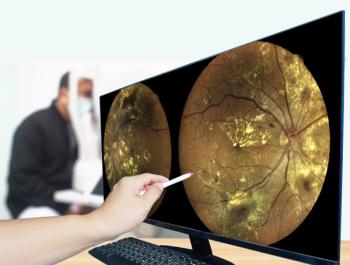
Satralizumab, a first-in-class IL-6 receptor inhibitor, was approved for adults with thyroid eye disease based on the phase 3 SatraGO program.
Systematic review finds combined immunonutrition (arginine, omega-3s, glutamine) in colorectal cancer surgery may cut surgical site infections, while single supplements show no benefit.
Wound infection is the complication that turns a planned colorectal recovery into a longer, costlier one for patients with
Enhanced Recovery After Surgery protocols already treat perioperative nutrition as a modifiable lever rather than an afterthought. The ERAS Society guidelines for elective colorectal surgery, in their fourth update, grade every element of the perioperative pathway using the GRADE system, drawing on meta-analyses, good-quality randomized trials, and large prospective cohorts, and present the level of evidence supporting each item individually rather than endorsing the bundle wholesale.2 That structure matters here, because it is the standard against which any single addition to the pathway has to justify itself.
Immunonutrition sits inside that pathway as a specific proposition: supplement the diet before or after surgery with substrates thought to modulate immune function, and complications should fall. The substrates usually studied are arginine, omega-3 fatty acids, nucleotides, and the amino acids L-alanine and L-glutamine, and the outcomes that matter to a surgical service are infection, length of stay, and the nutritional status a patient carries into recovery.1
The review searched PubMed, Web of Science, Embase, and the Cochrane Library following the PRISMA framework, selecting 20 clinical trials and 2 observational studies published between 2000 and 2025. Analyses covered postoperative complications, physical and nutritional status, immune response, and length of hospital stay in patients undergoing surgery for colorectal cancer. The supplements assessed were arginine, omega-3 fatty acids, nucleotides, L-alanine, and L-glutamine, given singly or in combination.
The inclusion window runs a quarter century, which is long enough that operative technique and perioperative care changed underneath the evidence being summarized. No pooled effect estimate accompanies the published findings, so what the review offers is the direction and consistency of results rather than a magnitude.
Reduction in postoperative complications appeared with combined supplementation of arginine, omega-3 fatty acids, nucleotides, L-alanine, and L-glutamine, and the effect was concentrated in wound infections. Isolated supplementation produced no such benefit, and omega-3 fatty acids given alone showed none at all.
Length of stay is the outcome a hospital finance office would look at first, and it is the one the evidence does not settle. Results there were inconsistent across the included studies, which leaves the economic case resting on avoided infections rather than shortened admissions. Physical and nutritional status and immune response were also among the outcomes analyzed, though the published findings single out wound infection as the signal that held.
The authors were careful to say that combined immunonutrient supplementation may have reduced postoperative complications, particularly wound infections, not that it did. That caution was warranted: the review spanned 25 years of changing surgical practice, which made it impossible to tell how much of the benefit came from the supplement itself.
For a surgical service already running an enhanced recovery pathway, the actionable detail is the formulation rather than the concept: a combined product is what the evidence supports, and substituting a single component, particularly omega-3 alone, is not. The coverage logic is narrow but coherent, since surgical site infection is expensive to treat and the intervention is an oral supplement given around an operation that is happening regardless. What the review cannot supply is an effect size, which is what a formulary would want before adding anything to a standing perioperative order set.
References
1. Rodríguez-Criado C, Gavilán-Díaz R, Cabañas Alite L. Immunonutrition in surgical patients with colorectal cancer: a systematic review. Nutr Hosp. 2026;43(4):904-913. doi:10.20960/nh.06378
2. Gustafsson UO, Scott MJ, Hubner M, et al. Guidelines for perioperative care in elective colorectal surgery: Enhanced Recovery After Surgery (ERAS) Society recommendations: 2018. World J Surg. 2019;43(3):659-695. doi:10.1007/s00268-018-4844-y