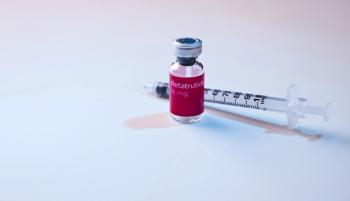
A legal fight over a single amino acid could set retatrutide's exclusivity window, its Medicare negotiation clock, and its competitive future.
Nirmatrelvir-ritonavir was most likely to be cost-effective among adults aged 18 to 64 years with comorbidities, particularly those with lung disease or immune disorders.
Nirmatrelvir-ritonavir (Paxlovid; Pfizer) may be most cost-effective when used for high-risk adults aged 18 to 64 years with COVID-19, according to a new study published in
The antiviral therapy, commonly known as Paxlovid, was approved for the early treatment of
The study was conducted alongside the PANORAMIC trial, an open-label, adaptive platform trial evaluating community-based COVID-19 treatments across the United Kingdom. Researchers assessed the economic value of nirmatrelvir-ritonavir over a 6-month period from both the UK NHS and personal social services perspectives.1
Treatment with nirmatrelvir-ritonavir from April 20, 2022, to September 30, 2024, was compared with usual care alone from December 8, 2021, to September 30, 2024.
The primary outcome was health-related quality of life measured as quality-adjusted life years (QALYs) at baseline, 14 days, 28 days, and at 3- and 6-month follow-ups.
A total of 1736 participants were randomized to receive nirmatrelvir-ritonavir plus usual care, while 1768 participants received usual care alone. The mean age was 54 years in both groups. Overall, 68.6% of participants were female, 66.0% had at least 1 comorbidity, and 98.6% were vaccinated against COVID-19.
Researchers noted that only 73.3% of participants in the nirmatrelvir-ritonavir group and 68.8% in the usual care group completed the EuroQol 5-Dimension 5-Level instrument used to assess QALYs.
Within the first 28 days after randomization, participants treated with nirmatrelvir-ritonavir reported fewer NHS 111 contacts (mean difference, −0.0420; 95% CI, −0.0669 to −0.0177; P < .001), fewer hospital-at-home contacts (−0.0647; 95% CI, −0.1329 to −0.0100; P = .04), and fewer primary care prescriptions (−0.0807; 95% CI, −0.1180 to −0.0428; P < .001) compared with the usual care group.
The reductions in primary care prescriptions also continued beyond the acute phase of illness. Between 28 days and 3 months, patients in the nirmatrelvir-ritonavir group had fewer primary care prescriptions compared with usual care (−0.1211; 95% CI, −0.2211 to −0.0206; P = .02). Similar findings were observed between 3 and 6 months (−0.0762; 95% CI, −0.1440 to −0.0077; P = .03).
Participants who received nirmatrelvir-ritonavir also reported significantly higher mean health utility scores at 14 days (mean difference, 0.0241; 95% CI, 0.0103-0.0380; P < .001) and 28 days (0.0153; 95% CI, 0.0014-0.0294; P = .03).
The mean total cost per participant was $4430.47 in the nirmatrelvir-ritonavir group compared with $4262.15 in the usual care group, resulting in an incremental cost of $168.91 (95% CI, −$1644.11 to $1981.96).
However, participants treated with nirmatrelvir-ritonavir gained more QALYs overall. Mean QALYs per participant were 0.4146 in the treatment group compared with 0.4032 in the usual care group, yielding an incremental QALY gain of 0.0110 (95% CI, 0.0062-0.0170).
At a $27,244.00 per QALY threshold, the probability that nirmatrelvir-ritonavir was cost-effective was 0.68 under a societal perspective, although that probability dropped to 0.14 in the complete-case analysis.
The probability of cost-effectiveness was highest among participants with comorbidities (0.86), lung disease (0.94), immune disorders (0.90), and among those prescribed inhaled corticosteroids (0.92). Similarly, the treatment appeared most economically favorable in NHS risk categories that included adults aged 18 to 64 years who were considered at-risk (0.87).
In contrast, probabilities were considerably lower among patients without comorbidities (0.07), without lung disease (0.27), and among lower-risk NHS categories.
The study was limited by potential bias and limited statistical precision in small subgroup analyses. Additionally, the exclusion of certain populations, a short follow-up period, and high vaccination coverage may limit the generalizability of the findings and underestimate long-term outcomes.
“Although nirmatrelvir–ritonavir was cost-effective on average, the probability of cost-effectiveness indicates decision uncertainty, highlighting the importance of targeted use and continued evidence generation,” the study authors concluded.
References