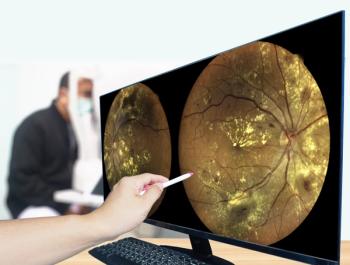
The meeting covered several topics in eye care, including how artificial intelligence (AI) can play a part in eye care.
Limited access to care means safety-net ICUs see advanced disease and poorer outcomes, while bias and social media add new challenges to care.
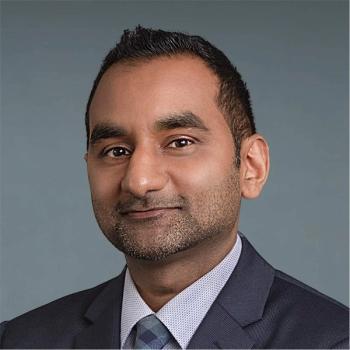
Patients at safety-net hospitals often reach the intensive care unit (ICU) with disease that has progressed unchecked because they lacked earlier access to care, according to Adan Mora, MD, associate professor of internal medicine in the Division of Pulmonary and Critical Care Medicine at UT Southwestern Medical Center. At
Obstetric critical care patients tend to be younger, and pregnancy alters their physiology. Clinicians may be caring for 2 or more patients, and coordinating with maternal-fetal medicine and sometimes cardiology for conditions such as peripartum cardiomyopathy is essential. The work is rewarding but demands dignity and respect when outcomes turn tragic.
“It also can be very sad and tragic when somebody comes to the hospital, thinking that they’re going to have the best hospitalization of their life because they will have a new baby,” Mora said.
At a safety-net hospital, Mora sees lung, cancer, cardiac, and autoimmune diseases at advanced stages, which can mean poorer outcomes, more complex care, and longer hospital stays than for patients treated earlier.
“It’s a double-edged sword for us because while we academically are able to see what a disease process looks like, we also see that our patients are having to navigate the consequences of that,” he explained.
Mora said earlier, affordable access to preventive care would help clinicians achieve better results when patients do become critically ill. He also hopes for more effort to mitigate anchoring and subconscious bias, such as assumptions that incarcerated patients will have different outcomes. He added that movement away from evidence-based medicine and information on social media are influencing which treatments patients accept, and he wants physicians to build stronger partnerships with patients to bridge those differences and deliver better patient care.