Panelists engaged in a debate regarding using complement inhibitors in geographic atrophy, gauging public sentiment with a deciding vote.
Changes in PrEP for HIV expand choice and reduce risk as new research continues to look for an elusive cure.
Forty-five years after the
The first form of pre-exposure prophylaxis (PrEP) was approved by the FDA in 2012, with the combination of emtricitabine/tenofovir disproxil fumarate (TDF/FTC; Truvada; Gilead Sciences Inc.) offering a way to prevent HIV in those at highest risk. In the 14 years since that first approval, HIV PrEP has seen many innovations that have transformed how HIV is addressed both in the US and abroad. As new approvals reshape the field, PrEP has never been more important in the context of HIV care.
Despite decades of individuals contracting the HIV virus, only basic means of preventing HIV were recommended by doctors as a means of reducing the incidence. Encouraging those at risk to use condoms, remain abstinent, or use clean needles when using drugs were the only methods of
The approval of TDF/FTC provided a more concrete alternative to individuals most at risk for HIV. A study published in 2010, which followed 2499 men or transgender women who had not had HIV and had sex with men,
This was the only available form of PrEP for a number of years, as studies continued to search for other methods of preventing HIV. The combination of tenofovir alafenamide with emtricitabine (TAF/FTC; Descovy; Gilead Sciences, Inc.) was
With these approvals of daily pills, the focus shifted to how they could be used effectively. Mitchell Warren, executive director at AVAC, emphasized that PrEP is not simply a product but a program. “It’s about HIV testing, it’s about adherence support, it’s about supporting the wraparound services for someone who might be stigmatized for their sexuality or their gender… PrEP has always been about a comprehensive program, of which a product is just 1 part. So we still have some significant barriers,” he said.
After the approval of PrEP in 2012,
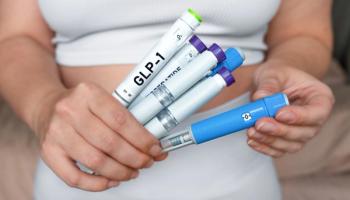
Although effective methods of PrEP exist, researchers are consistently looking into new treatments that can offer even more effective methods that, perhaps, can encourage more concrete adherence in those at most risk. The approval of long-acting injectable PrEP, including
Cabotegravir offers patients 2 months of protection, with injections needed 6 times per year every 2 months. Participants in the first clinical trial, which included cisgender men and transgender women and tested cabotegravir compared with TDF/FTC, had 69% less risk of getting infected with HIV when using cabotegravir and 90% less risk in the second trial that featured cisgender women.8 Lenacapavir showed superiority compared with TDF/FTC, with 99.9% of participants in the lenacapavir group of the PURPOSE 2 trial not contracting HIV; all participants in the lenacapavir group in the PURPOSE 1 trial avoided HIV infection as well.9 Lenacapavir needs to be taken twice per year for most efficacy.
These approvals have brought experts in the area excitement as PrEP options have expanded. “I think it brings a sort of complexity in a way, because now we start talking about a menu of PrEP options, everything from very short-acting…all the way through now to 6-monthly lenacapavir for PrEP,” said Linda-Gail Bekker, MBChB, DTMH, DCH, FCP(SA), director of the Desmond Tutu HIV Centre at the Institute of Infectious Disease and Molecular Medicine at the University of Cape Town. “This means that there’s now the opportunity to say to people, ‘Which PrEP suits you better, which would you like?’ And so we’re really hopeful that countries and health systems will offer choice.”
Warren emphasized that the efficacy and safety of lenacapavir in particular have gotten experts excited in the space. However, he noted that previous forms of PrEP had been slow to deliver and had limited impact. “This has certainly been, first and foremost, catalytic in terms of getting people thinking about prevention,” he said. “What we’ve seen is every milestone postapproval is happening faster with lenacapavir than with any previous PrEP option…the milestones that are necessary to get us to delivery impact over the next couple of years have come far more rapidly, and I take that as a good step.”
“There might be that person who sees the nuance, ‘I’m not very keen on subcutaneous but I’m happy to have an intramuscular injection.’ So we’ll see how people choose and the way health systems navigate this,” said Bekker.
Even with the excitement surrounding lenacapavir and cabotegravir, researchers are continuing to push for preventive methods that can last for an even longer amount of time. Bekker acknowledged that adherence is the Achilles heel for daily therapies, making long-acting interventions for both treatment and prevention a focal point in research going on now. However, a vaccine is the ultimate goal for addressing the HIV epidemic.
“There’s no doubt that these long-acting antiretroviral prevention options are gamechangers, but they still need regular replacement. Antiretrovirals are pharmaceuticals, so they run out, the drug level drops, and then it doesn’t work anymore. Unlike with a vaccine, if we’re lucky enough to find a safe and effective vaccine, your immune system takes over,” Bekker explained.
A cure is also in the works, as well as researchers looking into monoclonal antibodies for dosing every 6 or 12 months. Warren noted current clinical trials looking into cabotegravir that could be taken every 4 to 6 months and lenacapavir that could be taken once per year. And, for those that prefer an oral pill, there is a clinical trial looking into a tablet taken once per month. “It’s possible a year or two from now, we’ll be offering people a single injection every year, not 2 visits to the clinic every 6 months. So that’s very exciting,” he said.
The future of HIV prevention continues to flourish even a year after the groundbreaking lenacapavir approval. Continued research and work into this space can provide more treatment options for patients who need it, especially those who are most vulnerable to contracting HIV.