New abstracts show the oral PCSK9 inhibitor cut LDL-C by 57% to 63% across PREVENT risk groups, with reductions maintained in an extension study.
In more than 250,000 adults with prediabetes and obesity, GLP-1 users had lower risks of type 2 diabetes, death, and cardiovascular events.
Adults with prediabetes and
The retrospective analysis of 256,492 adults is among the largest to compare GLP-1 RAs with metformin, which, along with lifestyle modification, remains the first-line medication for prediabetes. Most prior GLP-1 research has focused on people who already have type 2 diabetes, according to study author Vinicius de Sousa Barzon Serra, MD, a research fellow in the department of cardiovascular medicine at Mayo Clinic in Scottsdale, Arizona. This study looked instead at the earlier prediabetes stage.
Nearly 40% of US adults have prediabetes, and up to 10% of them progress to type 2 diabetes each year, the AHA noted, citing its 2026 Heart Disease and Stroke Statistics and National Institutes of Health data.
“The great news with prediabetes is that it’s still possible to reverse the progression of the disease,” said Serra in a statement. “This research may add to the case for considering GLP-1 medications earlier for certain patients, rather than waiting until they develop Type 2 diabetes.”
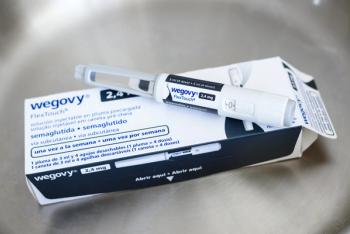
Researchers drew electronic health records from the TriNetX global multicenter network, which included 104 institutions from 2010 to 2023. Patients had an average age of 52 years, 76% were women, and follow-up averaged roughly 3 years. About half were taking a GLP-1-based medication (semaglutide, tirzepatide, liraglutide, or dulaglutide), and the other half were taking metformin. The investigators matched patients on age, comorbidities such as high blood pressure, sleep apnea, and nicotine dependence, and other medications.
Compared with metformin users, GLP-1 users had a 1.5 times higher chance of reverting to normal blood glucose levels, a 31% lower risk of developing type 2 diabetes, and a 41% lower risk of death from any cause.
GLP-1 use was also associated with 15% fewer heart attacks, 20% fewer strokes, 25% fewer cases of heart failure, and 8% fewer cases of atrial fibrillation compared with metformin.
“The main effect these findings could have is on the shared decision-making discussion between doctors and patients exploring various treatment options and the pros and cons for each,” said Serra. “Metformin is still a first-line treatment choice. It is safe, inexpensive, and has a long track record. This is less about replacing one medication with another and more about discussing additional options with specific patients.”
Robert Eckel, MD, FAHA, a past volunteer president of the AHA and professor of medicine emeritus at the University of Colorado Anschutz Medical Campus, who was not involved in the study, said the results were not surprising and likely reflect weight loss, which is known to help prevent type 2 diabetes.
“Preventing the progression from prediabetes to type 2 diabetes keeps patients from having type 2 diabetes, and it also helps prevent heart attack and strokes,” he said in a statement. “GLP-1s provide another option for prevention, perhaps as an add-on therapy. However, costs and access to these medications are important factors.”
The results echo randomized data on reversion to normoglycemia. In the phase 3 STEP 10 trial, published in 2024 in
The new analysis is observational and cannot establish cause and effect.1 Patients and outcomes were identified through diagnosis codes, which can be incomplete; prescription records did not capture adherence or dose; and GLP-1–based agents were grouped together, so differences between individual drugs were not assessed.
References