Hepatitis reports after vaccination were more often serious in children, but the data lack dose counts and cannot show vaccine-specific risk.
GRADE meta-analysis: hepatitis A vaccine blocks 96% in pre-exposure vaccination; outbreak response uses millions of doses, but post-exposure prophylaxis evidence is weak.
Hepatitis A vaccine given before exposure prevented 95.8% of laboratory-confirmed infections across 14 studies. The post-exposure dose produced a nearly identical number on far weaker footing, graded very low certainty, leaving the 2 halves of the vaccine's indication resting on evidence of sharply different quality.1
Between August 2016 and December 2023, there were 37 states that reported
The vaccine carries 2 distinct indications: routine immunization before any exposure and post-exposure prophylaxis for people already exposed. The World Health Organization recommends considering the hepatitis A vaccine for routine childhood immunization in settings of high to intermediate endemicity on the basis of local incidence and cost-effectiveness, and a position paper from the European Society of Clinical Microbiology and Infectious Diseases Study Group for Viral Hepatitis has gone further, arguing for universal vaccination.1
The review searched MEDLINE, EMBASE, Biological Abstracts, CENTRAL, PubMed, and Scopus for studies published between January 1985 and April 2026, without language restriction, following PRISMA guidelines with a protocol registered in PROSPERO. Eligible studies had to confirm hepatitis A by IgM anti-HAV, the antibody marking acute infection; those defining cases on clinical symptoms alone were excluded. Twenty-one publications entered the meta-analysis, all of them randomized trials or cohort studies published between 1990 and 2017.
Pre-exposure effectiveness rested on 15 estimates from 6 randomized trials and 8 cohort studies, as well as post-exposure on 8 estimates from 1 randomized trial and 7 cohort studies. A separate analysis covered 19 ecological studies conducted between 1997 and 2024, measuring what happened to incidence after pediatric vaccination programs began. Certainty of evidence was graded with GRADE.
Pooled pre-exposure effectiveness was 95.8% (95% CI, 93.1%-97.4%), with heterogeneity of 29.9% and moderate-certainty evidence. Raw event counts pointed the same way, with 20 infections among 925,238 people who received at least 1 dose against 1029 among 1,708,753 unvaccinated. Restricting the analysis to the 11 studies without high or serious risk of bias barely moved the estimate to 95.3% (95% CI, 92.0%-97.2%).
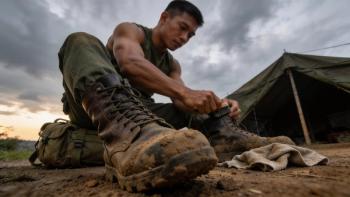
In children, randomized trials put effectiveness at 97.5% (95% CI, 92.8%-99.1%) on high-certainty evidence, and cohort studies at 95.9% (95% CI, 93.0%-97.6%). Inactivated and live attenuated vaccines performed alike, at 97.2% and 96.0%, although every live attenuated estimate came from single-dose studies in Chinese children younger than 15 years. Evidence in adults amounted to 2 cohort studies, reporting 96% effectiveness among people living with HIV and 76% among military personnel.
Post-exposure vaccination pooled at 96.9% (95% CI, 89.3%-99.1%), holding up across close contacts at 95.3% and outbreak areas at 98.4%. Heterogeneity reached 89.7%, however, and the prediction interval extended below zero, which is what pushed the certainty rating to very low despite the size of the effect. Seven studies recorded 60 infections among 9209 vaccinated people against 407 among 6079 unvaccinated.
The ecological analysis put population-level impact at 83.9% (95% credible interval [CrI], 79.3%-88.5%) in the reference scenario of children younger than 5 years, coverage at or below 60%, and prevaccination incidence under 10 cases per 100,000 person-years. Impact ran 8.2 percentage points higher (95% CrI, 2.1-14.2), where prevaccination incidence exceeded 100 cases per 100,000. Neither vaccination coverage, which ranged from 40% to 95% across programs, nor the age of the target population showed a clear association, leaving baseline epidemiology as the stronger determinant of what a program delivered.
Two limitations narrow what the effectiveness figures can support. Pooled pre-exposure estimates referred to at least 1 dose, because the included studies rarely allowed dose-specific analysis, so the added value of a second dose could not be determined. Follow-up in most studies spanned months to a few years, though 1 study reported 98% effectiveness over 7.5 years.
The asymmetry between the 2 indications is the finding to carry forward. Pre-exposure vaccination rests on large populations, consistent estimates, and the strongest certainty ratings anywhere in the review. Post-exposure prophylaxis produced an equally high number on evidence the authors declined to stand behind, which says more about how those studies were built than about the vaccine, and it is the gap they named as most in need of better research, alongside effectiveness in adults.
References
1. Malinová J, Petráš M, Sýkora J, Dlouhý P, Rosina J, Lesná IK. Hepatitis A vaccination and its public-health impact in routine prevention and outbreak control: a systematic review and meta-analysis. EClinicalMedicine. 2026;99:104144. doi:10.1016/j.eclinm.2026.104144
2. Hofmeister MG, Yin S, Dokpesi P, Teshale EH, Eckert M, Gupta N. Epidemiology and control of widespread community hepatitis A outbreaks in 37 U.S. states, 2016-2023. J Viral Hepat. 2026;33(2):e70137. doi:10.1111/jvh.70137