Hiddo Heerspink, PhD, discusses finerenone data in type 1 diabetes, FSGS and IgA nephropathy, and open questions on sequencing CKD therapies.
Real-world ASCO data link GLP-1 drugs to markedly longer survival across common cancers, raising new questions on mechanism and trials.
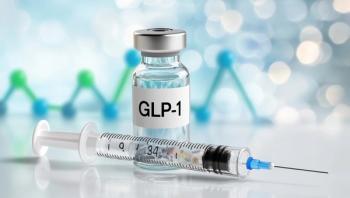
Patients with cancer who used glucagon-like peptide-1 receptor agonist (GLP-1 RA) therapy had a 34% lower rate of death compared with nonusers, according to a retrospective real-world data analysis presented at the 2026
The signal held up across multiple analytic approaches and adds to a growing body of evidence,2,3 suggesting the drug class may have oncologic benefits beyond the approved metabolic indications, according to investigators from Ontada, a real-world data solution division of McKesson.
Jessica K. Paulus, ScD, vice president of real-world research at Ontada, presented the May 30, 2026, in an oral abstract session. It drew on structured electronic health record (EHR) data from iKnowMed within The US Oncology Network, one of the largest community-based cancer treatment and research networks in the country. The overall cohort included 472,701 adult patients diagnosed with breast, colorectal, hepatocellular, lung, prostate, or renal cell carcinoma between January 2021 and October 2024. Of those, 1121 had a GLP-1 RA prescription documented in the oncology EHR during the observation period.1
For the primary survival analysis, researchers matched 418 GLP-1 RA users to 3476 nonusers on key demographic and clinical variables. GLP-1 users were slightly younger (median age 63 vs 68 years) and had considerably higher rates of obesity (57.4% vs 27.9%), reflecting the drugs' approved metabolic indications. Breast cancer was the most common tumor type in both groups (43.5% and 43.1%, respectively), followed by prostate cancer. Semaglutide (Novo Nordisk), sold as Ozempic for type 2 diabetes and as Wegovy for weight loss, was the most commonly prescribed agent (55%), with tirzepatide (Zepbound; Eli Lilly and Company) accounting for an additional 28%.1
Using Cox regression methods, the team evaluated overall survival across 3 analytic models. In the unadjusted analysis, GLP-1 RA use was associated with an HR of 0.45 (95% CI, 0.31-0.65; P < .0001). After multivariable adjustment for age, sex, race, ethnicity, geographic region, rural/urban location, body mass index, stage at diagnosis, and cancer type, the HR was 0.63 (95% CI, 0.45-0.90; P = .0096). A propensity score–adjusted model yielded an HR of 0.66 (95% CI, 0.45-0.97; P = .0031). The consistency of the survival signal across all 3 approaches strengthened the investigators' confidence in the findings, even as they acknowledged the inherent constraints of observational data.
In an interview with The American Journal of Managed Care® (AJMC®), Paulus acknowledged the study's limitations. Because the analysis relied on prescriptions documented within an oncology-specific EHR, GLP-1 use was almost certainly underestimated. She elaborated on why 74% of GLP-1 users in the data appeared to start the drugs after their cancer diagnosis, noting that the finding likely reflects the limitations of the oncology-specific EHR data source rather than a true clinical pattern.
“Most GLP-1 prescribing is not happening within the oncology setting,” she said. “It's happening in primary care, and it's increasingly happening in direct-to-consumer nontraditional pathways, including telehealth.”
Paulus said for some patients, a prior cancer diagnosis may not be the most serious concern at the time a GLP-1 is prescribed. Asked whether some patients might take weight reduction more seriously after surviving cancer, Paulus said it’s possible.
In this type of statistical research, she explained during the presentation, the inability to capture all prescribing of GLP-1 RAs would have the effect of diluting the observed relationship between the drug class and cancer outcomes, with the true link possibly even stronger.
However, she noted that residual confounding remains a concern, including potential "healthy user" bias, in which patients well enough to take GLP-1 medications may already have more favorable prognoses. An E-value sensitivity analysis indicated that an unmeasured confounder would need to increase both GLP-1 use and survival by 2.4-fold to fully explain the observed result, a threshold the authors considered high.
Paulus also described an evolving landscape of supportive evidence: A separate abstract from Cleveland Clinic presented at the same meeting found reductions in disease progression as well as a sizable survival advantage,2 and several peer-reviewed publications have recently reported similar findings.
"The areas of consensus," she said, "are that there is a consistent association between GLP-1 use and improved survival across multiple tumors, across multiple study designs," and that the effect persists after adjustment for known confounders. What remains unresolved, she explained, is causality and mechanism.
“Is it metabolic improvement? Is it anti-inflammatory effects? Is it something about reducing the burden of adipose tissue for patients and the interaction with chemotherapy, for example, or other types of therapies?” Paulus asked, offering some possible explanations for the effect. Parallel research is occurring to glean insights into what is driving these responses, she said.
Paulus called for replication across diverse data sources, including claims data and randomized clinical trial populations—noting that, as 1 in 8 Americans now reports GLP-1 use, many patients enrolled in ongoing phase 3 oncology trials may already be taking these drugs, potentially offering a lower-bias environment for analysis.
McKesson, Ontada's parent company, has recently acquired a claims data company, and Paulus indicated that linked EHR-claims analyses are already under way. For now, she emphasized, GLP-1 treatments carry no cancer indication, and prospective research is essential before any clinical translation can be considered—a matter that may be of keen interest to payers and employers, many of whom have balked at covering the GLP-1 drug class.4
References