

Opinion|Videos|January 28, 2026
Optimizing Safety and Adherence in HER2-Targeted Therapy Through Nursing and AE Management
Explore how evolving treatment strategies and biomarkers are transforming the management of HER2-positive breast cancer in clinical practice.
Advertisement
Episodes in this series
The nurse navigator plays a critical role in supporting patients on HER2-targeted therapies by promoting adherence, monitoring for adverse events, and providing education on symptom recognition and reporting. Managing toxicities, such as interstitial lung disease (ILD) associated with antibody-drug conjugates (ADCs), requires balancing potential risks with clinical benefit. Clinicians often implement proactive monitoring strategies and dose modifications to mitigate ILD while maintaining efficacy. Standardized protocols for ILD and other adverse events are increasingly recognized as essential, ensuring consistent care across institutions. Developing an adverse event management protocol involves a multidisciplinary team including nursing staff, oncologists, pharmacy, and informatics support through EMR order sets. Clear roles and communication pathways allow timely interventions, optimize patient safety, and support adherence, ultimately improving outcomes and the tolerability of HER2-targeted therapies acros
Advertisement
Related to this article

Michael Mina, MD, PhD, explains which adverse events drove VYD2311's edge vs an mRNA COVID-19 vaccine and who may benefit most.

Panelists engaged in a debate regarding using complement inhibitors in geographic atrophy, gauging public sentiment with a deciding vote.

A session at AAO 2026 highlighted how big data and minimally invasive glaucoma surgery (MIGS) could be utilized to help patients receive peak care.

Medicaid expansion was associated with lower colorectal cancer mortality, with the largest reductions in Hispanic patients and stage IV disease.

Cepheid's Connie Savor, MD, MBA, explains where its 13-pathogen respiratory panel fits in diagnostic stewardship and antibiotic decisions.
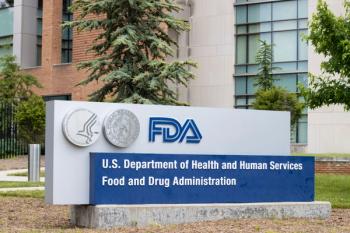
The FDA approves atezolizumab with a fluoropyrimidine and oxaliplatin as adjuvant therapy for stage III dMMR colon cancer based on the ATOMIC trial.
Michael Mina, MD, PhD, explains Invivyd's accelerated approval path for VYD2311 and how it could change the timing of COVID-19 protection.

Biomarker-driven care is advancing in mantle cell lymphoma, though cost and infrastructure limit access in community oncology, according to a review.
Advertisement
Advertisement
Trending on AJMC
1
MASH Fibrosis, Not Resolution, Predicts Mortality: Zobair Younossi, MD
2
5 Things to Know if Retatrutide Is Classified as a Biologic
3
Full POLARGO Data Reveal OS, Safety for Pola-R-GemOx in DLBCL
4
FDA Approves Once-Monthly Subcutaneous Olanzapine for Schizophrenia
5