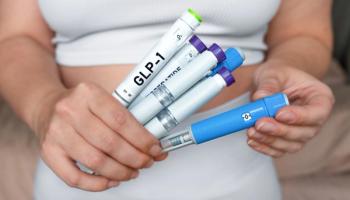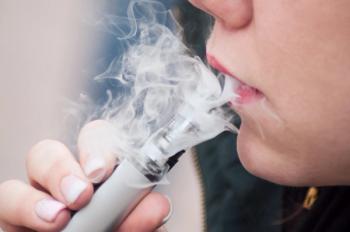
Those using e-cigarettes were more likely to develop cataracts, and those receiving cataract surgery less likely to develop depression and anxiety.
Polyphenols show lab promise for endometriosis, but human evidence is thin, and the best resveratrol pain trial was negative.
Plant-derived polyphenols show biological activity relevant to
Endometriosis is marked by endometrial-like tissue outside the uterus, and the condition is often underdiagnosed because its symptoms overlap with other gynecologic and gastrointestinal conditions. Current treatment relies mainly on hormonal therapy, pain medication, and surgery, while biologically targeted options remain under investigation. The review cites an estimated US economic burden of $69.4 billion annually. It is a structured narrative review, not a systematic one: it drew on searches of Web of Science, PubMed, Scopus, and Google Scholar through May 2026, was not prospectively designed or registered, and did not report record-level selection counts.
The authors say individual polyphenols may act as context-dependent modulators of oxidative balance and cell signaling rather than simple antioxidants. Preclinical studies suggest effects on inflammatory and stress-response signaling, blood vessel growth, programmed cell death, immune-cell activity, and hormone-related pathways, but results vary widely by compound, dose, metabolite, and experimental model.
The review also cautions that some frequently cited quercetin experiments used immortalized cell lines from normal vaginal and endocervical tissue, not endometriotic lesions. Quercetin, resveratrol, and catechins could also generate pro-oxidant effects at high concentrations in the iron-rich peritoneal environment, a risk no reviewed human study systematically evaluated.
To the authors’ knowledge, only resveratrol and quercetin have been tested in patients with endometriosis. Quercetin was studied only in multi-ingredient formulations, so its effects cannot be isolated. A 3-group study of 90 women with stage IV disease reported symptom improvement and lower levels of prostaglandin E2 and cancer antigen 125 with a supplement combining quercetin, turmeric, omega fatty acids, and other ingredients, but the report gave limited detail on blinding.2 A 33-patient open-label study of quercetin, turmeric extract, and N-acetylcysteine found less pain and reduced use of nonsteroidal anti-inflammatory drugs, without a control group.3
For resveratrol, the review identified one double-blind, placebo-controlled pain trial. A small, 42-day study of 44 women that found 40 mg/day added to a combined oral contraceptive was not superior to placebo.4 Two other publications reported reduced markers of tissue remodeling, blood vessel growth, and inflammation after 400 mg/day, but both drew on the same 34-patient exploratory cohort and are not independent replications.5,6 The encouraging human results came from small, uncontrolled, or multi-ingredient studies, while the most rigorous pain trial was negative.1
The review lists low and variable absorption, nonstandardized formulations, and scarce long-term safety data as major barriers to clinical use. Because resveratrol and similar plant compounds can have estrogen-like effects that depend on dose and hormonal context, the authors call this a central consideration in an estrogen-dependent disease. The review also cites a 2018 European Food Safety Authority opinion on epigallocatechin-3-gallate, a green tea catechin not tested in the endometriosis trials. Supplement doses of 800 mg or more per day raised serum transaminases, a marker of liver injury, compared with controls, and the agency could not identify a safe dose.7
The authors call for adequately powered randomized trials of individual compounds that use standardized formulations, dose-ranging, testing of how the body processes each compound, estrogen-responsive endpoints, and formal adverse-event monitoring.1 Whether polyphenols add benefit to hormonal, analgesic, or surgical care remains a hypothesis requiring prospective testing, according to the review. Until such trials report, the authors regard polyphenols as candidates for further study, not as an established part of care.
“Low and variable bioavailability, compound-specific metabolism, phytoestrogenic and pro-oxidant effects at some exposures, heterogeneous formulations, and limited long-term safety data remain major translational barriers,” the authors wrote. “Polyphenols should therefore be regarded as potential adjunctive approaches whose clinical efficacy in endometriosis remains to be established.”
References