GOLD leaders say COPD is diagnosed too late and its smoking-only image is outdated, and the 2027 report puts rehab and non–drug care up front.
Myeloma risk prediction is strong, but matching each patient to optimal therapy is still being tested, says Nikhil C. Munshi, MD.
Are we ready to predict the treatment a patient with
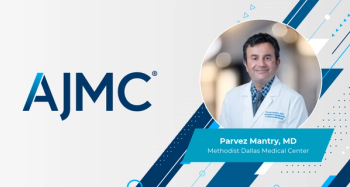
Munshi, director of basic and correlative science at the Jerome Lipper Multiple Myeloma Center, professor of medicine at Harvard Medical School/Dana-Farber Cancer Institute, and member of the International Myeloma Foundation Scientific Advisory Board, explained that the field has become very good at predicting risk. With current standard therapies, clinicians understand the patients who are likely to do well and who may need additional lines of therapy. Predicting which therapy will work best for an individual patient is much more challenging. High-risk patients require different treatment, but optimal treatment for high-risk disease is a developing field.
Several tools are contributing to this effort. Genomics identifies high-risk disease, and a new definition of high-risk myeloma was recently established. Measuring minimal residual disease (MRD) reveals, with remarkable sensitivity, how well the disease has responded, and Munshi stressed that MRD will become an important component of myeloma care. Immune profiling is beginning to indicate whether a patient’s immune system will respond as hoped to newer immunotherapies. Together, these form an expanding armamentarium that can be assembled into an individualized approach.
If a patient has particular genomics and a particular immune system, clinicians can begin to say a given treatment is more likely to work. Munshi said the field is at that stage now, but whether acting on this information truly improves outcomes is the question ongoing studies are testing. He emphasized that precision medicine is not simply knowing more about a patient’s myeloma. It means using that knowledge to influence treatment decisions and change the patient’s outlook, and the field is heading in that direction, “hopefully soon,” he said.