Medicaid expansion was associated with lower colorectal cancer mortality, with the largest reductions in Hispanic patients and stage IV disease.
Eli Lilly's triple agonist achieved 28.3% weight loss at 80 weeks and 30.3% at 104 weeks, matching bariatric surgery levels.
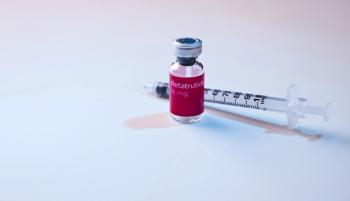
Retatrutide, an investigational, first-in-class triple hormone receptor agonist (RA), demonstrated positive topline results in the phase 3 TRIUMPH-1 clinical trial (
Retatrutide targets 3 metabolic pathways by activating receptors for glucose-dependent insulinotropic polypeptide (GIP), glucagon-like peptide-1 (GLP-1), and glucagon. In the randomized, double‑blind, placebo‑controlled master trial of 2339 participants, all studied doses (4 mg, 9 mg, and 12 mg) met the primary and key secondary end points, demonstrating significant, clinically meaningful weight reduction alongside improvements in cardiometabolic risk factors.
According to the primary efficacy end point, participants on the highest dose of retatrutide (12 mg) achieved an average weight loss of 70.3 lb (28.3%) from a baseline average of 248.5 lb (body mass index [BMI], 40.0 kg/m²). Notably, 45.3% of individuals in the 12-mg cohort achieved a body weight reduction of 30% or greater—a threshold historically associated with bariatric surgery. Furthermore, 65.3% of participants on the 12-mg dose reduced their weight below the threshold for obesity (BMI < 30 kg/m²) by week 80, including 37.5% of those entering the trial with class 3 obesity (BMI ≥ 40 kg/m²).
Intermediate dosing tiers also achieved substantial weight reduction. Participants receiving the 9-mg dose lost an average of 64.4 lb (25.9%). At the lowest dose of 4 mg, which requires only a single titration step from the 2-mg starting dose, patients experienced an average reduction of 47.2 lb (19.0%) at 80 weeks.
The treatment also led to distinct improvements in cardiovascular health measures. The 12-mg cohort experienced an average waist circumference reduction of 24.1 cm (9.5 inches) alongside documented improvements in non–high-density lipoprotein cholesterol, triglycerides, systolic blood pressure, and high-sensitivity C-reactive protein.
The efficacy observed in the phase 3 TRIUMPH-1 trial firmly validates a prior
To understand long-term outcomes in severe obesity, TRIUMPH-1 featured a prespecified, blinded extension to 104 weeks for 532 participants who had a baseline BMI of at least 35 kg/m² and tolerated their assigned treatment. In this extension, participants continued to lose weight, reaching a maximum tolerated dose of either 9 mg or 12 mg.
By week 104, individuals initially randomized to the 12-mg arm achieved an average total weight loss of 85.0 lb, representing a 30.3% reduction from an average baseline of 268.3 lb (BMI, 42.8 kg/m²).
The overall safety profile of retatrutide was consistent with other incretin-based therapies, driven primarily by gastrointestinal adverse events. The most common adverse effects reported across the 4-mg, 9-mg, and 12-mg retatrutide groups, compared with placebo, were:
Other observed adverse events included upper respiratory tract infections, urinary tract infections, and mild to moderate dysesthesia, although the majority of the urinary and neurological cases resolved during active treatment.
Discontinuation rates due to adverse events correlated directly with dosage escalation. The 4-mg arm demonstrated a 4.1% discontinuation rate—lower than the 4.9% rate observed in the placebo group. Discontinuation rates rose to 6.9% in the 9-mg group and 11.3% in the 12-mg group.
Lilly plans to present detailed data from the TRIUMPH-1 master trial at the 86th annual American Diabetes Association Scientific Sessions. Additional phase 3 results from the broader clinical program, including the TRIUMPH-2 trial in patients with type 2 diabetes and the TRIUMPH-3 trial in patients with established cardiovascular disease, are expected later this year.
References