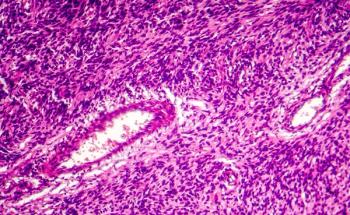
Inconsistent definitions limit pathological response as a soft tissue sarcoma marker, according to a narrative review.
Patients with severe alopecia areata showed significantly elevated systemic inflammatory markers compared with mild disease and healthy controls.
Severe
While the study does not establish inflammatory markers as predictive tools, it reinforces the concept that severe alopecia areata is associated with measurable systemic inflammation—and that this inflammation appears to recede as patients respond to JAK inhibitor therapy. If validated, such markers may one day help clinicians better understand disease burden, monitor response to systemic therapy, or stratify patients by inflammatory risk, explained the researchers of the study.
In the new retrospective cohort study, published in the
The results showed a clear pattern. Patients with severe alopecia areata had significantly higher levels of NLR, PLR, MLR, SII, and ESR compared with both patients with mild disease and healthy individuals (P < 0.05). By contrast, patients with mild alopecia areata had inflammatory marker levels that were largely indistinguishable from those of the control group.
The study also followed patients with severe alopecia areata who were treated with JAK inhibitors—primarily tofacitinib, not approved for alopecia areata but
Inflammatory markers were measured before treatment, 3 months after treatment initiation, and again at the time of clinical response, which showed that several markers declined over time. NLR and SII decreased significantly as treatment progressed, with reductions apparent by 3 months and further improvement seen alongside hair regrowth (P < 0.05). PLR also fell significantly by the time patients achieved clinical response. MLR and CRP showed more modest reductions, while ESR and red cell distribution width remained relatively unchanged.
The pattern is biologically plausible, the authors noted, given that JAK inhibitors suppress signaling pathways, such as interferon-gamma and interleukin-15, that are central to alopecia areata pathogenesis and broader immune activation.
The findings mirror observations in other immune-mediated skin diseases, including psoriasis, where NLR and SII have been shown to decline in response to targeted biologic therapy, wrote the researchers, noting, “These parallel outcomes across two distinct autoimmune diseases reinforce the idea that NLR and SII appear to be sensitive to changes accompanying targeted immunomodulatory treatment and may reflect systemic inflammation more sensitively than other hematologic parameters.”
Despite the implications of their findings, the researchers cautioned against overinterpretation due to the study’s retrospective, single-center design and the inclusion of only patients with severe alopecia areata who responded to treatment. Patients who did not respond or who lacked sufficient follow-up data were excluded, which may have biased the results toward improvement. In addition, follow-up timing varied between patients, reflecting real-world clinical practice rather than a standardized research protocol.
References