

Opinion|Videos|June 24, 2024
The Pathophysiology of Hidradenitis Suppurativa
Author(s)Iltefat Hamzavi, MD
Iltefat Hamzavi, MD, describes the pathophysiology of hidradenitis suppurativa and associated comorbidities that are commonly seen in patients.
Advertisement
Episodes in this series

Video content above is prompted by the following question(s):
- What is the pathophysiology of hidradenitis suppurativa (HS) and are there any risk factors for being affected by this disease?
Advertisement
Related to this article

FDA granted accelerated approval to dostarlimab-gxly for dMMR or MSI-H locally advanced rectal cancer based on interim phase 2 AZUR-1 results.

Phentolamine 0.75% (Ryzumvi) won FDA approval for presbyopia based on the phase 3 VEGA-2 and VEGA-3 trials.

Nearly 3 in 4 bariatric surgery candidates had clinical obesity, a phenotype that BMI alone did not distinguish from preclinical obesity.

Satralizumab, a first-in-class IL-6 receptor inhibitor, was approved for adults with thyroid eye disease based on the phase 3 SatraGO program.

A review of 47 endometriosis guidelines found most came from high-income settings and diverged on biomarkers, repeat surgery, and fertility referral.
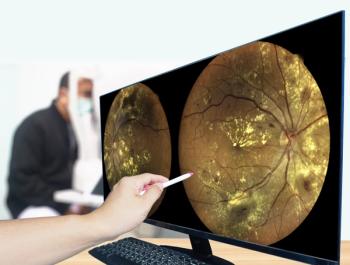
The meeting covered several topics in eye care, including how artificial intelligence (AI) can play a part in eye care.

A meta-analysis of 27 trials found a 15% cardiovascular risk reduction per 10-mm Hg lower systolic BP, with no added risk of kidney failure.
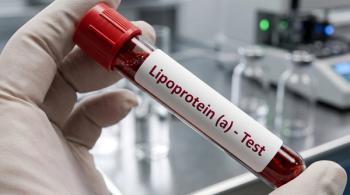
In a Japanese registry of 1235 patients with AMI treated with PCI, Lp(a) of 24 mg/dL or higher independently predicted MACE and HF hospitalization.
Advertisement
Advertisement
Trending on AJMC
1
Pathological Response Does Not Reliably Predict Survival in Sarcoma
2
New CHEST Guidelines Offer a Road Map for Bronchiectasis
3
FDA Approves Ryzumvi for Presbyopia, Expanding its Label
4
CHEST Highlights Practice-Changing COPD Therapy and Strategies
5