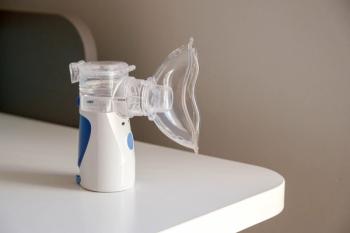
Insmed launches once-daily brensocatib in Japan, the country's only approved treatment for noncystic fibrosis bronchiectasis.
Waist circumference (WC) predicts mortality risk in older adults independent of BMI, with high WC linked to 24% greater death risk, a new study finds.
Body mass index (BMI) alone misses high-risk older patients with central
A new study published in the Journal of the American Geriatrics Society reinforces what many clinicians have long suspected: BMI tells an incomplete story when it comes to survival risk in older adults. Among nearly 7000
Researchers at the University of Rhode Island and the University of Connecticut drew on data from the National Health and Aging Trends Study, a nationally representative annual survey of Medicare beneficiaries. The analytic cohort included 6905 participants tracked from 2011 through 2024. Unlike many prior analyses, the study used time-varying BMI and WC, updated at each annual assessment, to more accurately capture real-world changes in body composition over time. Cox proportional hazards models estimated mortality risk by BMI category and WC classification, adjusting for age, race, education, income, smoking status, and homebound status.
The study confirmed the so-called "obesity paradox" in older adults: compared with those at normal weight, men who were overweight had a 46% lower risk of death (HR, 0.54; 95% CI, 0.45–0.66), and men with class I and II obesity had a 51% lower risk (HR, 0.49; 95% CI, 0.37–0.65). Women who were overweight showed a 27% lower mortality risk. Being underweight, by contrast, carried approximately twice the mortality risk in both sexes.
The apparent protection of higher BMI came with a critical caveat. High WC—greater than 40 inches in men and 35 inches in women—was associated with a 24% greater risk of death in both sexes, independent of BMI. In exploratory analyses, every 5-inch increase in WC corresponded with a significant step-up in mortality risk. Among men, the highest WC category (65 inches or more) carried more than 6 times the mortality risk compared with those under 39.9 inches.
Most strikingly, older adults with normal BMI but high WC faced significantly elevated mortality compared with peers who had normal BMI and low WC (HR, 1.33 in men; HR, 1.23 in women)—a high-risk phenotype that would appear entirely healthy by BMI standards alone.
"A key implication is that BMI category alone may inadequately stratify mortality risk in older adults, particularly when central adiposity is not assessed," the authors wrote.
The tension between BMI and more nuanced adiposity measures has persisted for years. A 2017 study similarly
The current findings align with 2025 guidance from the Lancet Commission on Clinical Obesity, which recommended confirming excess adiposity with at least one additional metric, such as WC, waist-to-hip ratio, or direct body fat measurement, rather than relying on BMI alone.1
References