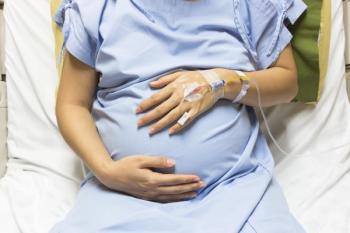
Birth centers are unavailable in 10 states, and 39% of birth center births are self-pay, as licensing and Medicaid pay limit access, a report finds.
What we’re reading, December 27, 2016: nurses are viewed as most ethical and honest profession in America, followed by pharmacists and physicians; over half of Brazilian women reported avoiding pregnancy due to the Zika virus; cooking interventions may help low-income parents feel more positive about preparing and eating vegetables.
An
A
According to a