

Conference Coverage
about 2 hours ago
Reaching People Who Use Drugs to End HCV: Norah Terrault, MD, MPHabout 8 hours ago
Inhaled Amikacin Raises Culture Conversion in New MAC Lung Diseaseabout 10 hours ago
How AI Can Improve Cancer Care Access, Quality: Johnetta Blakely, MDabout 10 hours ago
Real-Time Data to Drive Cancer Pathways: Edward Arrowsmith, MD, MPHabout 10 hours ago
Managed Care Keeps Pace With Policy as AMCP Nexus Heads to San DiegoLatest Content

Oct 21, 2026 | News
Bronchiectasis GWAS Highlights Candidate Targets Shared With COPD

Bepirovirsen Approval Offers New Option for Chronic HBV Treatment
Oct 21, 2026
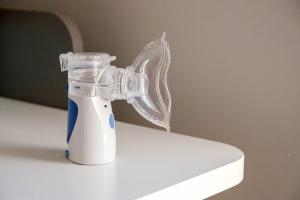
Inhaled Amikacin Raises Culture Conversion in New MAC Lung Disease
Oct 21, 2026

Real-World Trial Shows Oral Alitretinoin Effective for Severe Hand Eczema
Oct 21, 2026

Managed Care Keeps Pace With Policy as AMCP Nexus Heads to San Diego
Oct 21, 2026








Advertisement
Shorts

1:20
A Decade of Evolution in Managed Care Pharmacy: Susan Cantrell
a day ago
by
Brooke McCormick(+1 more)

0:51
The Hidden Cost of Indefinite Myeloma Treatment: Prerna Mewawalla, MD
a day ago
by
Prerna Mewawalla, MD(+1 more)

0:45
Helping Cancer Patients Thrive Throughout Survivorship
6 days ago
by
Bhavana (Tina) Bhatnagar, DO(+1 more)

0:33
Understanding Anemia and Dosing Control With Rusfertide
7 days ago
by
Andrew Kuykendall, MD(+1 more)

0:43
A Surprising Find on Vaccine Adverse Effects: Michael Mina, MD, PhD
8 days ago
by
Sabrina McCrear(+1 more)

0:48
The Word That Changes Parent Minds
8 days ago
by
Sabrina McCrear(+1 more)

1:41
CGDB vs EMR Overall Survival in Small Cell Lung Cancer: Dan Lin, PhD
9 days ago
by
Connie Buckmaster(+1 more)

0:30
Bispecifics Benefits Still Uncertain in CLL: Kerry Rogers, MD
9 days ago
by
Kerry Rogers, MD(+1 more)

0:48
The Implications of Value-Based Pricing in CMS: Peter Neumann, ScD
13 days ago
by
Connie Buckmaster(+1 more)

0:40
Why a Stem Cell Transplant May Not Be Needed in ALL
13 days ago
by
Emily K. Curran, MD(+1 more)
Free Webinar: Medical Aid in Dying
Gain expert insights to help your organization shape end-of-life care policies that put patients first.

Personalized Expert Insights
Have a question about bispecific therapy? Connect with experts who have the answers.

Center on Health Equity & Access
Start seeing what truly shapes access and learn how you can redefine the landscape.

Stay Ahead of Clinical and Policy Change
AJMC's e-newsletter features payer-focused insights across priority disease areas.









Center on Health Equity & Access






Advertisement
All News
Advertisement

IDWeek 2026 posters describe a rule-based tool classifying about 1 in 5 patients with cUTI as outpatient-eligible and 5 clusters with varied LOS.

Insmed’s once-daily TPIP prodrug shows sustained lung vasodilation in PAH and PH-ILD, improving walk distance and other key measures.

An international eDelphi panel of 62 dermatologists agreed on a 2-step algorithm for tapering psoriasis biologics.

Real-world data from CHEST 2026 show ETI improved lung function and BMI in children with CF aged 6 to 11, with the most gains in F508del homozygotes.

Birth centers are unavailable in 10 states, and 39% of birth center births are self-pay, as licensing and Medicaid pay limit access, a report finds.

Cosibelimab received an NCCN Category 2A preferred designation for locally advanced CSCC, supported by durable responses and low immune toxicity.

ASPEN links green sputum to neutrophils and exacerbations; brensocatib (DPP1) lowers purulence, while meta-analysis supports fewer flare-ups in bronchiectasis.

Narcolepsy and idiopathic hypersomnia can go undiagnosed for years, and Epworth and RU-SATED screening help clinicians spot true sleepiness sooner.

At CHEST 2026, 3 speakers explained why respiratory medications stay expensive, assessed what recent federal, state, and industry fixes have achieved, and urged clinicians to use their voices on behalf of patients.

Experts at CHEST 2026 urge pulmonologists to keep lung cancer in mind for younger patients who never smoked, to order screening and biomarker testing themselves, and to advocate for patients' access to care.
Advertisement
Advertisement
Trending on AJMC
1
Awareness Gaps Drive Narcolepsy, IH Delays: Logan Schneider, MD
2
Extension Studies in TPIP Show Promise in PAH, PH-ILD
3
International Panel Agrees on Framework for Tapering Psoriasis Biologics
4
Administrative Burden Keeps Clinicians From Bedside: Amy Morris, MD
5