Articles by Alison Rodriguez

Following cataract surgery, a submicron formulation of loteprednol etabonate (LE) gel, 0.38% administered three times daily (TID), is safe and effective for treating ocular inflammation with minimal risk of intraocular pressure (IOP) elevation, according to study findings.

Researchers recently discovered a sensitive and specific biomarker that may enable early diagnosis, treatment, and public awareness of spotted fever rickettsial infections, including Mediterranean spotted fever (MSF), according to a study published in the American Journal of Pathology.

Extracting lung function measurements from electronic health record (EHR) data through an automated tool, such as Microsoft SQL Server’s full-text search feature, may be efficient and improve the number of values available, leading to improved phenotyping of patients with COPD, according to study findings.

Researchers compared the cost-effectiveness of ninetedanib to pirfenidone for the treatment of idiopathic pulmonary fibrosis (IPF) and found nintedanib to be more cost-saving than pirfenidone, according to study findings.

Shifting towards an anti-inflammatory and suppressive homeostatic immune system may contribute to increased clinical efficacy of siponimod in patients with secondary progressive multiple sclerosis (SPMS), a recent study in JCI Insight reported.

Balance training of moderate intensity (BT) may increase anti-inflammatory cytokines and neurotrophic factor levels of patients with Parkinson disease (PD), according to study findings.

A formulation of calcipotriene and betamethasone dipropionate cream met its primary endpoint for treating plaque psoriasis during its phase 3 trial in the European Union, according to an announcement from MC2 Therapeutics.

Researchers describe a recent case report of a diagnosis of lgE monoclonal gammopathy which transformed into myeloma, then into lgE-producing plasma cell leukemia.
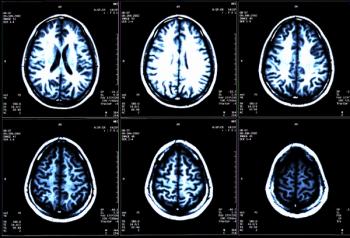
Patients with Multiple sclerosis (MS) treated with mitoxantrone (MTX)—an antracyclin drug used to treat chronic refractory MS—may be at an increased risk of developing early and late left ventricular (LV) dysfunction, suggesting the need for these patients to be periodically evaluated for complications, a recent study found.
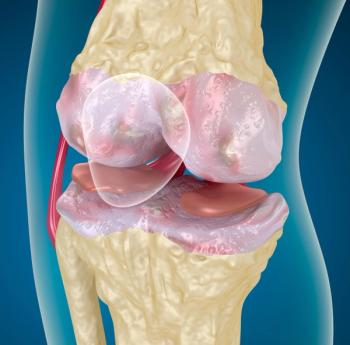
Despite challenges of rare disease drug development, genetic skeletal disorder (GSD) therapies continue to be developed through novel approaches such as drug repurposing and in-utero stem cell transplants, according to a recent review.

A study identifying the different factors influencing peripheral blood hematopoietic stem cell (PBSC) mobilization and collection in multiple myeloma (MM) and lymphoma cases determined that PBSC mobilization yielded sufficient CD34+ cell counts in both patients with MM and lymphoma, but the failure rates were high.

The presence and severity of diabetic retinopathy (DR) may be independently associated with subclinical cardiovascular disease (CVD) in patients with type 2 diabetes (T2D), suggesting the need for a rationalized screening for coronary artery disease in patients with T2D and DR.

Researchers outline the significant role IL-37 plays in psoriasis, and other skin and connective tissue diseases, suggesting the need for further research, according to a review.

For patients with multiple sclerosis, ketogenic diets and fasting diets may be potentially safe and inexpensive complementary treatment options. However, additional clinical studies and data are needed to prove this theory.

A study investigating the clinical phenotype of acute graft-versus-host disease (GVHD) in children reveals that one-third of pediatric patients with the disease are not successfully treated with steroids as a primary GVHD therapy.

The group of patients with high CD154-postive mast cells had lower overall 5-year survival rates than the low CD154-positive group.
Researchers outlined a comprehensive review of the common mechanisms through which interleukin-17 (IL-17) is considered a molecular target for developing novel biological therapies in several different fields of medicine, according to report findings.

Immunotherapy continues to be increasingly used for treating multiple myeloma (MM) with a recent report providing an overview of monoclonal antibodies (mAbs) currently approved for treating MM, as well as, compounds that are under investigation.

The operative times of third-year residents learning phacoemulsification may be significantly reduced by early and continuous implementation of mandatory virtual simulator surgical training before starting to perform intraocular surgery, according to a recent study.

Narcolepsy type 1 (NT1) may be caused by an autoimmune T-cell response to orexins and could be triggered by flu antigens, according to study findings.
Epigenetic drug therapy should be explored for certain patients with marginal zone lymphoma, according to a recent study.

A recent study looked at the impact of stereotyped B-cell receptor immunoglobulins in patients with chronic lymphocytic leukemia (CLL).

Researchers recently developed a novel paradigm that connects the pathophysiology of multiple sclerosis (MS) to the hygiene hypothesis and the microbiome.

The researchers reported that aging brings degeneration of the circadian pacemaker, a progressive decline in melatonin output and decrease in rhythm amplitude which contributes to increasing sleep fragmentation and waking up earlier in the morning.
The results suggest that delaying initiation of disease-modifying therapy (DMT), especially after a poorly recovered relapse, decreases the likelihood of remaining disability free by age 45.
The results suggested that fusion events contribute to the complexity of acute myeloid leukemia and typically result from chromosomal rearrangements.

Water fluoride concentrations were associated with higher odds of reports of snorting, gasping, or stopping breathing while sleeping at night.

The report suggests that removing barriers to coverage, as well as reducing medication costs for people with private insurance, would help decrease cost-related nonadherence to HIV therapies.

Current categories of classifying psoriasis, such as mild, moderate, or severe, do not consider past treatments or involvement of special areas, leading to undertreatment, a report said.

Narcolepsy management should be a combination of behavioral and pharmacologic strategies that are tailored to the patient with consideration of the impact of symptoms and how they may evolve, according to a recent review aiming to improve narcolepsy diagnosis and management.
