

Recent research reveals COVID-19 significantly increases long-term kidney dysfunction risk compared with influenza, especially in older adults and men.
Recent research reveals COVID-19 significantly increases long-term kidney dysfunction risk compared with influenza, especially in older adults and men.

The Make Our Children Healthy Again assessment from the Make America Healthy Again (MAHA) Commission warns of a national childhood health crisis and calls for broad federal reforms.

As concerns grow nationally about the mental health of young people, a new study provides insight into ongoing debates about social media’s role.

New global analysis calls for urgent, targeted interventions as aging populations face rising rates of skin cancer.
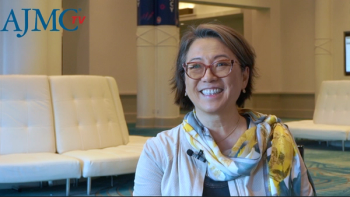
While artificial intelligence (AI) is transforming community oncology, Nini Wu, MD, of Navista, emphasizes that success depends on patient access and infrastructure.

HHS announces it is taking steps to implement President Trump’s Executive Order on prescription drug pricing. Keep up with the latest moves made in health policy under President Donald Trump's second administration. This timeline will be updated as orders and policy progress.
Explore how employers enhance workplace mental health by fostering a culture of support and engagement, focusing on holistic well-being strategies in this interview with Jim Kinville, MA, University of Pittsburgh Medical Center.
In an era that FDA Commissioner Marty Makary, MD, MPH, calls an "epidemic of distrust" toward health institutions, previously contained disease rates are rapidly rising, and vaccination rates are proceeding in the opposite direction.
Proposed Medicaid cuts risk increasing health disparities, leaving millions uninsured and limiting access to essential care for vulnerable populations.

Childhood cancer survivors face heightened risks of chronic kidney disease and hypertension, necessitating urgent updates to monitoring guidelines for their long-term health.

Employers discover innovative strategies for enhancing employee engagement and access to care at the Greater Philadelphia Business Coalition on Health (GPBCH) Annual Conference, fostering actionable dialogue and collaboration.
CK Wang, MD, chief medical officer of COTA, highlights how a lack of screening tools and declining ob-gyn pipeline can compound historical disparities seen in Black women's access to care.
Employers explore innovative strategies at the Greater Philadelphia Business Coalition on Health (GPBCH) Annual Conference, focusing on GLP-1 policies to enhance health care quality and manage costs effectively.
New studies reveal unmet health care needs and racial disparities, while experts share insight on addressing food insecurity and the shifting health policy landscape.

Stephen Speicher, MD, and Kate Estep, from Flatiron Health, discuss the future of oncology care with artificial intelligence (AI).
Learn about how Allegheny Health Network's "Food as Medicine" initiative tackles food insecurity and enhances health through personalized nutrition support.

The Ensuring Community Access to Pharmacist Services (ECAPS) Act of 2025 (H.R. 3164) aims to ensure vital pharmacy services and access to care for underserved communities.

The FDA's decision to appoint Vinay Prasad, MD, MPH, to head its Center for Biologics Evaluation and Research (CBER) raised concerns over regulatory scrutiny as the biotech market dropped.

New research reveals how serum soluble Klotho levels relate to chronic kidney disease risk (CKD) in patients with diabetes and hypertension.
Discover how technological advancements and social factors impact cardiovascular care, LGBTQ+ health disparities, and cancer research at AACR 2025.

Lalan Wilfong, MD, of Thyme Care and Texas Oncology, discusses a session on circulating tumor DNA (ctDNA) and shares insight as chair of the Community Oncology Alliance (COA) Payer Reform Committee.
Kate Baker, MD, MMHC, medical director of value-based care at Tennessee Oncology, talks about innovations in cancer care highlighted at the Community Oncology Conference.
At the 2025 Community Oncology Conference, Nini Wu, MD, Navista, shares how AI can transform community oncology.

Mike Fazio, director of value-based care at Navista, Cardinal Health, discusses a trending topic at the 2025 Community Oncology Conference: optimizing oncology care with technology.

The findings highlight important differences between therapies in managing blood glucose, blood pressure, lipids, and adverse effects in this high-risk patient population.

As the Affordable Care Act passed its 15th anniversary this year, Supreme Court Justices continue to deliberate the fate of its preventive services mandate in Kennedy v Braidwood.

Following the Trump Administration’s mandate to cut $2.6 billion in NIH contracts, the Women’s Health Initiative shares HHS will close its regional centers in September.

Emergency departments (ED) struggle to screen for social determinants of health, inhibiting quality care and impacting health disparities among vulnerable populations.

An analysis of an interdisciplinary care model for managing chronic kidney disease (CKD) shows hospital admissions dropped by 26% and emergency department (ED) visits decreased by 30% after clinic initiation.
This week, the Center on Health Equity & Access covered artificial intelligence, diabetes clinical trials, racial disparities in cancer antigen thresholds, and more.