
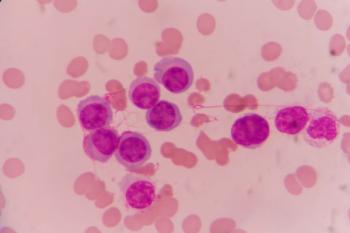
A new analysis finds therapeutic plasma exchange has become more costly, and more common among patients with multiple myeloma.
Jared is a freelance writer for The American Journal of Managed Care® (AJMC®), and previously worked as a senior editor for HCPLive® at MJH Life Sciences®.
He has an MA from University of Sioux Falls. You can connect with Jared on LinkedIn.
A new analysis finds therapeutic plasma exchange has become more costly, and more common among patients with multiple myeloma.

Patients who are diagnosed with Waldenström macroglobulinemia (WM) at age 55 or younger tend to have low risk profiles and very high overall survival rates.

A new opinion article suggests minimal residual disease (MRD) is not yet ready for “prime time” in the clinic, even though it’s already making a major impact on clinical trials.

Children receiving intensive chemotherapy benefit from prophylaxis with levofloxacin to an extent that would justify the cost of the drug, a new analysis finds.
Investigators have made tremendous strides improving patient care in multiple myeloma (MM), but the authors of a new review article say much more work is needed.

Patients with chronic lymphocytic leukemia (CLL) often face months or years of uncertainty. A new study might help those patients better understand their progression timeline.

A significant proportion of patients with chronic lymphocytic leukemia (CLL) and mantle cell lymphoma (MCL) experience bleeding when taking ibrutinib—a recent study probes why.

Most oncologists in a recent survey said they lack the knowledge and data to use measurable, or minimal, residual disease (MRD) as a decision-making tool in the treatment of multiple myeloma.

A small study out of Sweden adds to context to the puzzle of how best to treat patients with multiple myeloma who contract COVID-19.

New real-world data shows 64% of patients with psoriatic arthritis who had previously been on a biologic stayed on secukinumab for the duration of the study.
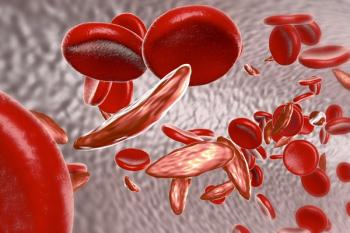
Yale New Haven Hospital’s reorganization of its sickle cell disease program led patients to report feeling better off and needing fewer hospitalizations. However, the change left some with the disease still feeling unsatisfied.

A new analysis offers insights into how ozanimod works in patients with relapsing multiple sclerosis, as well as the impact of higher dosage.

New research suggests white and African American patients have similar rates of access to new treatments for multiple myeloma.

A new study finds even if renal function is restored, patients who have severe renal impairment when diagnosed with multiple myeloma have lower overall survival rates.
While immunoglobulin abnormalities appear to shorten treatment-free survival periods, they do not have an impact on overall survival in patients with chronic lymphocytic leukemia (CLL).

A new study helps make clear what’s happening in the visual systems of patients with pediatric onset multiple sclerosis.

Alemtuzumab did not appear to negatively impact pregnancy outcomes in women who took the therapy for relapsing-remitting multiple sclerosis prior to becoming pregnant.

Experts surveyed regarding how best to treat patients with chronic lymphocytic leukemia (CLL) amid the pandemic agreed with social distancing, but were cautious about universal testing and treatment continuation.

A new study may have uncovered reasons why some patients with multiple myeloma have poor outcomes following allogeneic stem cell transplantation.

A new study suggests patients with multiple sclerosis (MS) will see their ability to walk decline more rapidly than their hand function.

Older patients with chronic lymphocytic leukemia (CLL) appear to be more likely to have severe symptoms if they contract coronavirus disease 2019, according to new research.
Only about one-third of patients with multiple myeloma who experience a very good partial response to therapy following first relapse, according to a new study.
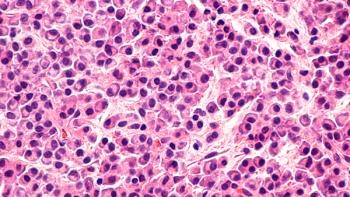
While minimal residual disease has become an important way to track how patients respond to therapies for multiple myeloma, the treatment implications of the metric are not yet clear, according to a review article.

A new analysis of nearly 3 decades of data suggests leukemia rates are falling, except for 2 specific types.

New research sheds light on how multiple sclerosis affects the work lives of people with the disease. The data show that these patients face higher risks of missed work, even for reasons not directly linked to the disease.

A new analysis of bone marrow plasma cells has helped to identify two biomarkers for multiple myeloma, which appear to play a role in the prognosis and clinical characteristics of the disease.

Scientists do not yet have a full understanding of how multiple myeloma develops, but a new article suggests the gut microbiome is one factor that may play a role.

A new study suggests that people living with multiple sclerosis (MS) are often concerned about the costs of their care, but they do not always raise the concern with their doctor.

A new study that looked at a cohort of 58 patients with multiple myeloma (MM) who contracted COVID-19 found the disease itself does not appear to be linked with higher mortality when these individuals are hospitalized.
There are promising signs that chimeric antigen receptor (CAR) T-cell therapies might lead to meaningful advances in the therapy of multiple myeloma. However, investigators will first need to clear a number of key hurdles.