

All from July, these 5 novel therapeutics each claimed a “first” in their category.

Maggie is a lead editor for The American Journal of Managed Care® (AJMC®), AJMC.com, and Evidence-Based Oncology, for which she produces written, video, and podcast content covering several disease states. She joined AJMC® in 2019, and she has been with AJMC®’s parent company, MJH Life Sciences®, since 2014, when she started as a copy editor.
She has a BA in English from Penn State University. You can connect with Maggie on LinkedIn.
All from July, these 5 novel therapeutics each claimed a “first” in their category.

The authors suggest their data could reflect phlebotomy’s role as a reactive rather than sustained control measure.

Higher CCI scores, prior infection, and prior prophylactic anti-infective treatment were associated with greater risk of subsequent infection in both cancers.

The goal of transplant is to give rise to new immune cells capable of hunting down and destroying resistant leukemic cells, says Karilyn Larkin, MD.
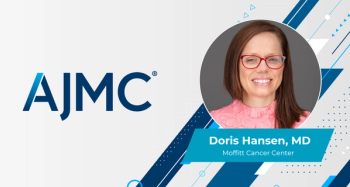
Doris Hansen, MD, co-led "Bridging the Gaps in Health Equity and Access in Multiple Myeloma" on May 2, 2026, in Tampa, Florida.

Novartis says it can deliver doses to treatment sites with 5 days of order.

The researchers of this study warn a mismatch could deepen care gaps for LGBTQ+ patients in restrictive states.

The new MonumenTAL-6 combination data appear to exceed MajesTEC-9 numbers.

New data suggest acalabrutinib appears to reduce the target that macrophages are supposed to recognize in patients with CLL.

An unanswered question: will an additional 7 minutes translate into fewer postcolonoscopy cancers and lower downstream costs?
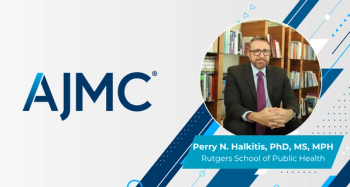
Rutgers SPH Dean Perry N. Halkitis, PhD, MS, MPH, shares his HIV survival story and why trusted messengers, not statistics, change health behavior.

Each visit incorporated instruments that included symptom burden, fatigue, anxiety and depression, nutritional risk, and patient activation.

These findings reinforce that matching therapy intensity and type to genetic and treatment-history profile is likely to be the next lever for improving outcomes.

HIV disrupts several steps required for durable antibody production; for example, CD4+ helper T cells are depleted and functionally impaired.
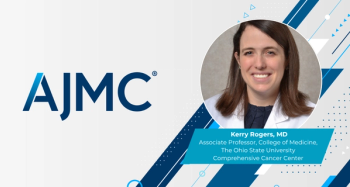
Kerry Rogers, MD, unpacks why patients often misread CAR T-cell therapy in CLL as a guaranteed cure, and what the data really show.
These results provide support for a potential new standard of care in the relapsed/refractory setting.

This research reinforces that fixed-duration, chemotherapy-free regimens can offer both a tolerability and a patient-experience advantage over CIT.
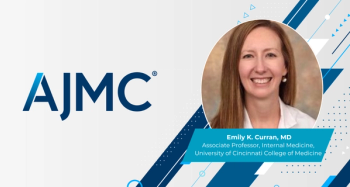
Emily K. Curran, MD, addresses why patients with leukemia often need her more than their own primary care physician and what changes when they don’t.

US drug shortages rose to 227 in Q2 2026, led by a severe ifosfamide shortage.

Existing rebates and manufacturers' gaming risk may limit these gains.

Patients with a history of nonmelanoma skin cancer had a 548% greater likelihood to develop another skin cancer vs those with no cancer history.

Swarup Kumar, MD, also details treating incarcerated patients with bispecifics and pursuing cure-focused therapy sequencing in myeloma.
Emily Curran, MD, University of Cincinnati, calls for decentralized trials and stronger community-academic ties to widen ALL patient access.
A common, underdiagnosed genetic disorder, hereditary hemochromatosis is costly when caught late and simple to treat when caught early.

Kerry Rogers, MD, at The James, unpacks what these questions mean for patient counseling and clinical trial equity in chronic lymphocytic leukemia (CLL).
The senior director of the Clinical Trial Support Center at Blood Cancer United explains how nurse navigators help patients reach a 20% trial enrollment rate.
Karilyn Larkin, MD, traces her equity focus to her medically underserved hometown, urging new diagnostics, trial design, and honest patient talks to close AML gaps.

Ajay K. Nooka, MD, MPH, explains why CD38 exposure complicates trial applicability, how MRD could speed approvals, and what a dex-free future looks like.
Kerry Rogers, MD, weighs sequencing risk against daily adverse effects like bruising and joint pain that quietly influence BTK inhibitor decisions.

Ajai Chari, MD, addresses myeloma’s future: personalized care, shared decision-making, and why striving for a functional cure matters now.