

Jose Guzman Garcia, PharmD, MHA, BCCCP, discusses key pharmacy initiatives at UC Davis Health.
Jose Guzman Garcia, PharmD, MHA, BCCCP, discusses key pharmacy initiatives at UC Davis Health.

Adults with hypertrophic cardiomyopathy living in lower-income or more socially deprived areas experienced significantly higher risks of heart failure, arrhythmias, stroke, and death.

Black adolescents from lower-income households who engage in volunteer activities experience reduced odds of developing diabetes in adulthood.

Aleata Postell discusses CenterWell Pharmacy's partnership with Eli Lilly to dispense FDA-approved obesity management drugs.

Presenters shared their personal highlights of attending ASCO GI 2026.

Adults with hypertension who have prediabetes and subclinical myocardial injury or stress face a higher risk of incident heart failure, a study suggests.

Jo Varshney, PhD, DVM, discusses how VeriSIM Life’s innovative approach leverages artificial intelligence and multispecies data.

Among patients who did receive early DNAR orders, survival to hospital discharge did not differ by race or ethnicity.

Recent findings support the use of EHRs not only for individual patient care but also for family-centered interventions to curb the growing diabetes epidemic.

Amivantamab-vmjw combined with FOLFOX/FOLFIRI delivers encouraging response rates, durable benefit, and manageable safety.

In an interview during ASH 2025, Ontada's Ira Zackon, MD explores the role of BTK inhibitors in chronic lymphocytic leukemia treatment, highlighting real-world challenges and emerging therapy strategies.

Dani Castillo, MD, sheds light on the evolving landscape of first-line therapy in advanced gastric cancer.

Michael David Chuong, MD, discusses how SBRT has become a leading option for treating patients with colorectal liver metastases.

Yuman Fong, MD, discusses the evolution of colorectal liver metastases management from historical neglect to multimodal approaches.

Filippo Pietrantonio, MD, discusses findings from the phase 1/2 OrigAMI-1 study in RAS/BRAF wild-type mCRC.

Elena Elimova, MD, shares efficacy data for zanidatamab in patients with HER2-positive gastroesophageal adenocarcinoma from HERIZON-GEA-01.

Enrique Velazquez Villarreal, MD, PhD, MPH, MS, reveals how AI is being used to identify early-onset CRC and enhance precision oncology.

Dietary guidelines recommend more whole foods and protein while reducing added sugar and highly processed foods for healthier eating.
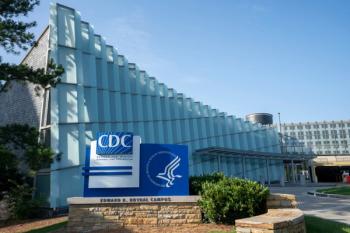
As the CDC shifts childhood vaccines to shared decision-making, new surveys show many Americans misunderstand what the policy means—and who it involves.

A study shows falling CRLM incidence and improved survival for synchronous disease, with persistent gaps for metachronous metastases.

A validated XGBoost model identifies psoriasis patients at high hyperglycemia risk, supporting personalized care through a user-friendly web calculator.
From home-based monitoring and subcutaneous immunotherapy to expanded community cancer networks, 2025 marked a pivotal year in rethinking how cancer care is delivered.
From cutting-edge AI detection tools to rising incidence in younger adults and threats to free screenings, 2025 brought major shifts in the struggle against colorectal cancer.

Leadership shakeups at the CDC, legal challenges, and growing scrutiny of the childhood immunization schedule have disrupted US vaccine policy.

Experts discuss the evolution, challenges, and next steps for value-based oncology payment models.

With new treatments, environmental insights, and evolving views on comorbidity shaping patient care, this is the most-viewed psoriasis content of 2025.

Zasocitinib met all primary and secondary end points, showing rapid PASI 75 responses and high rates of skin clearance vs placebo and apremilast.

Rucaparib’s full approval for BRCA-mutated mCRPC is supported by data showing significant gains in radiographic progression-free survival.

A last-minute push to extend Affordable Care Act subsidies was stopped as GOP leadership prevented an expedited vote, leaving the future of the subsidies uncertain.

These were the most-read articles on alopecia areata in 2025.