

Specialty pharmacies play a critical role in connecting patients with assistance programs to combat growing financial complexities.
Specialty pharmacies play a critical role in connecting patients with assistance programs to combat growing financial complexities.

At AXS26, leaders shared the hard-won organizational, strategic, and operational lessons from rounds 1, 2, and 3 of the Medicare Drug Price Negotiation Program.

Experts examine what is working in production, where the guardrails are being tested, and why the most transformative chapter of AI in health care hasn’t started yet.

The future of specialty pharmacy is not automation alone, but technology designed to assist patients through personalized support.

The entire commercial logic of the pharmaceutical industry’s patient engagement model is built for a moment that no longer exists, according to Chris Moose.

Policy and market access experts break down the compounding forces reshaping drug pricing, PBM regulation, and manufacturer strategy heading into the 2026 midterms.

The ECHO study raises timely questions about whether managed care coverage policies have kept pace with evolving evidence.

Fran Gregory, PharmD, MBA, explains why community providers can't go it alone—and how specialty pharmacy is stepping in to carry the load.

The DEA's 30th biannual collection event arrives April 25, 2026—here's what patients and clinicians need to know.

An analysis shows accelerated declines in processing speed, memory, and global cognition years before incident cardiovascular disease.

Teplizumab-mzwv is the first disease-modifying therapy available for children as young as 1 year diagnosed with presymptomatic type 1 diabetes.

Subgroup data show no reduction in cardiovascular death or myocardial infarction—and a potential signal of harm—in highly frail patients.

SPIRIT-HF reported neutral outcomes for spironolactone in HFpEF/HFmrEF, but ongoing analyses may clarify which patients benefit most.

A new industry report underscores the momentum—and the work ahead—as gene-, cell-, and tissue-based treatments move from academic health systems into community care.

The FDA is encouraging drug sponsors to pursue a new indication for testosterone replacement therapy.

A July 2026 advisory meeting will evaluate whether broader compounding access to peptides is justified despite concerns around safety, efficacy, and limited clinical evidence.
Real-world EHR study shows PREVENT equations deliver reliable CVD risk prediction despite missing data, guiding smarter outreach and recalibration.

A recent study identified persistent myocardial fibroblast activation in patients with heart failure with reduced ejection fraction, with distinct patterns by etiology.

John Barkett, MBA, discusses recent regulatory proposals to make massive health plan price files more usable.

Esketamine's monotherapy approval and new real-world data are forcing a reckoning for managed care.

A large cohort study across UK Biobank and All of Us finds RBM20 variants contribute to arrhythmogenic dilated cardiomyopathy.

Finerenone lowered cardiovascular death and HF events irrespective of coronary heart disease status but did not reduce atherothrombotic outcomes.

Vutrisiran not only slowed progression to advanced heart failure in patients with ATTR-CM but also reduced mortality and MACE among those who developed advanced disease.
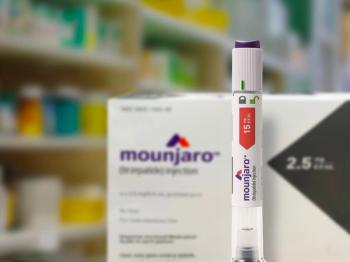
Tirzepatide was associated with a significant reduction in a composite of major cardiovascular and kidney outcomes vs the GLP-1 agonist dulaglutide.

Steven Daveluy, MD, discusses 3-year findings that show 86% of patients remained HS flare-free throughout treatment, reinforcing the case for early intervention.

Medically tailored meals and produce show feasibility but no reduction in 90-day readmissions, according to one study.

The FDA has approved the first generic versions of dapagliflozin, expanding access to a widely used SGLT2 inhibitor.
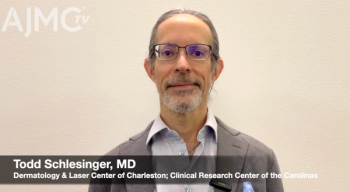
Proactive adverse effect management helps patients with skin cancer stay on treatment longer, according to Todd Schlesinger, MD.

Key session speakers and abstract presenters share their highlights of attending AAD 2026.

Evaluation of more than 65,000 trials and 350,000 investigator sites highlights significant exposure in oncology and late-stage development.