
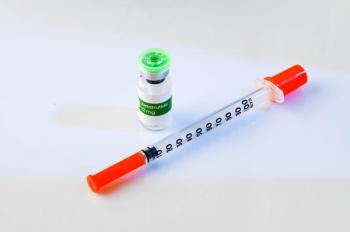
Eli Lilly's investigational triple agonist is already fueling gray-market sales and a $1 trillion valuation narrative ahead of its 2027 FDA filing.
Eli Lilly's investigational triple agonist is already fueling gray-market sales and a $1 trillion valuation narrative ahead of its 2027 FDA filing.

Most Medicare beneficiaries with ATTR-CM waited more than 6 months for diagnosis after heart failure onset, with longer delays among women.
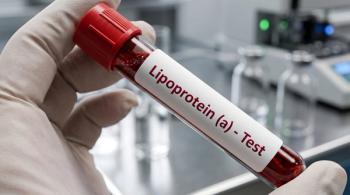
Although new guidelines call for universal screening, most Americans with elevated Lp(a) still don't know their number.

Katherine Wilemon, Family Heart Foundation, described the biggest unmet need when it comes to public awareness of Lp(a) and its associated risk factors.

A new AHA scientific statement defines pediatric cardiogenic shock and proposes a 5-stage classification to guide diagnosis, monitoring, and escalation of care.

CANN says the revised pilot reflects stakeholder input and aims to address accountability challenges in the more than $100 billion 340B program.
The former deputy surgeon general takes over an agency that has lacked permanent leadership since Susan Monarez, PhD, was ousted.

Researchers found no evidence that cooling beyond 6 hours at 33°C improved neurological outcomes in comatose survivors of out-of-hospital cardiac arrest.
A study of more than 270,000 patients with HF found a U-shaped link between ventricular size and mortality risk.

The accreditation body targets sourcing, testing, and marketing practices, as the FDA advisory panel recommends expanding access to compounded peptides.
Katherine Wilemon of the Family Heart Foundation discusses the need for Lp(a) screening in the US, where rates are historically low despite risk.

Boston heart failure specialists discussed diagnostic gaps, cost barriers to newer therapies, and scalable care models for HFpEF and HFmrEF.

The Pharmacy Compounding Advisory Committee narrowly recommended BPC-157, KPV, TB-500, MOTS-c, Semax, and epitalon for the 503A Bulks List.

An FDA committee voted 9-3 that available data did not provide substantial evidence of effectiveness for deramiocel in DMD.

Acoramidis attenuated declines in patient-reported health status through 30 months, complementing previously reported survival and hospitalization benefits.

A target trial emulation found GLP-1 RA initiation was associated with a 21% lower 3-year fragility fracture risk compared with DPP-4 inhibitor therapy.

A new analysis finds up to a 98.8% probability that liberal transfusion lowers 30-day death or myocardial infarction risk vs restrictive care.
Doug Francis of Rhythm Healthcare on what's driving respiratory and mobility care out of facilities and into patients' homes
The autoinjector delivers subcutaneous furosemide with IV-equivalent exposure in under 10 seconds for adults with heart failure or CKD-related edema.

The Pharmacy Compounding Advisory Committee meets July 23-24 to discuss whether pharmacies may dispense BPC-157, TB-500, and 5 other peptides.

Eplontersen added to standard of care did not significantly reduce cardiovascular death and recurrent events, a study finds.

Trump said imported generic drugs will face no tariff for 2 years starting August 1, then a 100% rate in 2028 and 200% in 2029, extending his trade fight to the drugs most Americans actually take.

New York City health officials confirmed a 5th fatality in the Upper East Side Legionnaires' disease outbreak.

A digitally enabled quality improvement strategy lowered LDL-C and boosted treatment intensification, though most patients still missed guideline targets.

Left atrial (LA) strain impairment in dilated cardiomyopathy was driven by ventricular dilation, not left bundle branch block.
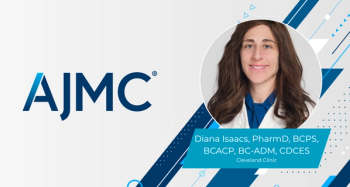
Diana Isaacs, PharmD, BCPS, BCACP, BC-ADM, CDCES, explains how GLP-1-based therapies are reshaping diabetes, obesity, and cardiometabolic care and what that means for coverage decisions.

Deepak Bhatt, MD, MPH, MBA, discusses how new evidence, prevention definitions, and imaging advances are reshaping how PCSK9 and SGLT2 inhibitors are used.
Deepak Bhatt, MD, MPH, MBA, discusses hot new topics reshaping care for diabetes, obesity, and cardiovascular disease.

An analysis found no significant differences in care escalation, readmission, mortality, or guideline-directed therapy use between home-based and inpatient care.

Commercial cardiology prices vary widely by insurer and state, with facility fees for procedures like ICD implantation differing more than 5-fold.