

CMS's enforcement surge has put every Medicaid Fraud Control Unit under review, but experts say the bigger driver of coverage loss may be red tape.
CMS's enforcement surge has put every Medicaid Fraud Control Unit under review, but experts say the bigger driver of coverage loss may be red tape.

A new analysis found smoke-free legislation reduced cardiovascular deaths overall, but benefits were uneven across age, sex, and racial groups.

In this study, 13% of patients who stopped heart failure medications after successful AF ablation had HF deterioration vs none who continued treatment.

Findings from CRISPR-edited stem cell–derived islets suggest SMOC1 functions as a physiological stabilizer of NKX6.1-positive β-cell identity.
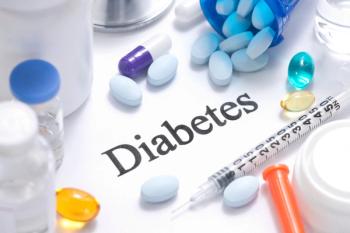
Two studies identify molecular targets that could help preserve insulin-producing cell function.

A study finds that 1- and 3-month dual antiplatelet therapy reduces bleeding vs standard regimens in patients at high bleeding risk.
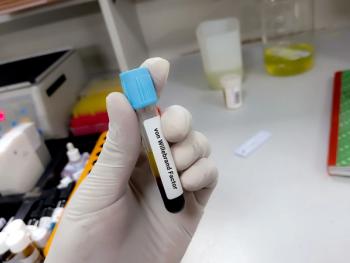
The expanded approval, based on the phase 3 WIL-33 trial, gives children with von Willebrand disease access to routine bleeding prophylaxis.

Ebola cases hit 1708 as unpaid health workers strike, further straining an outbreak response the World Health Organization says is outpacing containment.

A UK Biobank analysis found that IL-6, but not hsCRP, modified the association between elevated lipoprotein(a) and coronary artery disease risk.

A retrospective cohort study found stable blood pressure alongside significant reductions in LVOT gradients, regardless of hypertension status.

A Brown University–led review synthesizes GDMT, comorbidity management, and emerging therapies into a hospital-based framework for HFpEF.
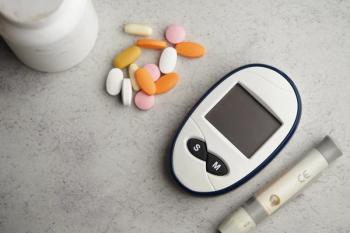
Adults treated with insulin showed sustained A1C improvements and fewer acute care visits among patients whose CGM was initiated in primary care compared with similar patients who did not initiate CGM.

Sheng Fu, MD, explains why patients with overlapping cardiac, renal, and metabolic disease demand new care models.

A single-center study found low rates of MRA and SGLT2 inhibitor prescribing among low-income, largely uninsured patients with heart failure.
Participants highlight critical gaps in the diagnosis, treatment, and coordination of care for patients with heart failure.

Deloitte's Pete Lyons explains the confidence gap, diverging biopharmaceutical and medical technology risks, and what separates real AI value from activity.

Deloitte's midyear analysis shows internal confidence rising even as external uncertainty over policy, tariffs, and reimbursement persists for biopharma and medtech.
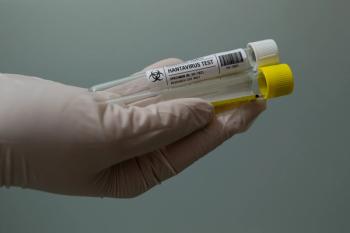
The move follows the close of a 42-day quarantine for American cruise-ship passengers exposed to the rare Andes strain.

A study found significant drops in mean platelet volume and rises in platelet count after 6 months of SGLT2 inhibitor therapy, independent of diuretic use.

Claims data show a 4- to 6-fold increase in ATTR-CM diagnoses, with a growing comorbidity burden before diagnosis.

Children of mothers with poor cardiovascular health during pregnancy had nearly double the risk of developmental delay at age 4.

Creatinine, not just a diabetes diagnosis, should trigger SGLT2 inhibitor use in CKD, says Sandra Chaparro, MD.

Resistance training, especially when paired with aerobic activity and limited TV time, was associated with the steepest reductions in type 2 diabetes risk.

Sheng Fu, MD, says the biggest barriers to managing heart failure, CKD, and obesity together aren't new drugs—they're broken transitions of care.

Aficamten improved exercise capacity across submaximal, peak, and recovery measures.

Elena Koundourakis, PhD, discusses phase 3 trial improvements in cognition, REM normalization, and nighttime sleep quality in patients with narcolepsy.

David Brueggeman, MBA, breaks down the underpriced financial risks, redetermination lessons, and what accountable AI actually requires from health plans.

Adam Spira, PhD, MA, discusses how composite measures of sleep health may offer a modifiable target to reduce dementia risk.

Richard Bogan, MD, discusses trial data coming out of the VIBRANCE studies for patients with narcolepsy type 2 and idiopathic hypersomnia.
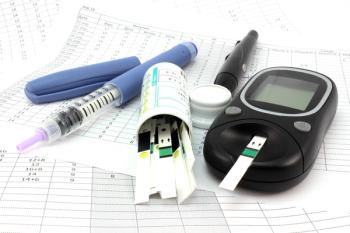
An 18-month Illinois pilot linking prison clinicians to endocrinologists via telehealth achieved a mean HbA1c reduction of 1.6 percentage points across 115 incarcerated men with diabetes.