

A cohort study of 65 clinical trials in multiple myeloma found that toxic effects are often described with subjective terminology that may not reflect adverse event rates reported in the studies.

Rose is an editorial director at The American Journal of Managed Care® (AJMC®).
She has a BA in journalism & media studies and Spanish from Rutgers University. You can connect with Rose on LinkedIn.
A cohort study of 65 clinical trials in multiple myeloma found that toxic effects are often described with subjective terminology that may not reflect adverse event rates reported in the studies.

Researchers concluded there is a clinically important increase in infection risk among patients with T1D in both primary care and hospital settings, and that guidelines must be developed to reflect this risk and encourage earlier treatment.

While the overall rate of cancer death among children has declined substantially in recent decades, progress has stalled for Black and Hispanic children compared with White children since 2011.

A recent review aimed to characterize the relationship between tumor burden and clinical outcomes in patients treated with chimeric antigen receptor (CAR) T-cell therapy, highlighting the potential mechanisms of high tumor burden impacting CAR T-cell failure.

In a recent study, reducing dietary sodium demonstrated a blood pressure–reducing effect similar to that of a commonly used first-line antihypertensive medication.
Alyson Moadel-Robblee, PhD, deputy director of community engagement and cancer health equity at Montefiore Einstein Comprehensive Cancer Center, discussed the center's evolving patient distress screening process and the Bronx Oncology Living Daily support program for patients with cancer.

Michael Yim, MD, board-certified family physician, discussed the need for and logistics of collaboration between oncologists and primary care providers.

Remibrutinib, an investigational, highly selective Bruton tyrosine kinase inhibitor, showed favorable results in the treatment of chronic spontaneous urticaria (CSU) in as early as 2 weeks in the phase 3 REMIX-1 and REMIX-2 studies.

Michael Fang, PhD, researcher and assistant professor in the division of Cardiovascular and Clinical Epidemiology at Johns Hopkins University, discussed recent findings in the type 1 diabetes (T1D) space that may alter the way providers address diabetes diagnoses.

The findings suggest the presence of CHIP before HCT may have potential to serve as a biomarker for CVD risk after HCT in patients with multiple myeloma.

In an interview with The American Journal of Managed Care®, Grant Andres, BSc, DC, BSN, MSN-RN, senior director of clinical operations at Arizona Oncology, discussed the nuances of successfully implementing value-based care initiatives across a large organization.

Mark A. Socinski, MD, discussed how the understanding of lung cancer has evolved over time, as well as how its heterogeneity impacts treatment strategies.

The prevalence of severely elevated low-density lipoprotein cholesterol (LDL-C) has declined in recent decades, but 1 in 17 US adults in a recent analysis had levels of LDL-C that would warrant consideration of pharmacotherapy, and 1 in 48 had high levels of LDL-C that are indicated for medication.

The annual Patient-Centered Oncology Care® (PCOC) meeting returns to Nashville, Tennessee, on November 7-8, bringing oncology stakeholders together for 2 days of discussions and presentations on the rapidly changing oncology care landscape.

A study evaluating disparities among children with acute leukemia found that Black children are more likely to present with higher disease burden at diagnosis compared with non-Hispanic White children.

High glucose variability in children and young adults with type 1 diabetes (T1D) strongly predicted slowed nerve conduction velocity, a forerunner of diabetic peripheral neuropathy, in a recent study.

The approval, which is based on results from the phase 3 KEYNOTE-966 trial, marks the sixth indication for pembrolizumab in gastrointestinal cancer.

A report published by the Urban Institute estimates that if the 10 Medicaid nonexpansion states were to implement expansions in 2024, Medicaid enrollment would increase by 5 million people, and 2.3 million fewer individuals would be uninsured

Insurance status is known to be associated with health care access and outcomes, and a recent study found that maternal private insurance is associated with a lower infant mortality rate compared with public Medicaid insurance in the United States.

Investigators found that myeloma cells may lose or change targets and subsequently go undetected by these therapies, suggesting that screening for such changes regularly could help guide treatment.

A study of patients with relapsed or refractory (R/R) multiple myeloma who received ixazomib-based therapy in real-world settings found the treatment effective and tolerable in clinical practice.
Coverage of the Institute for Value-Based Medicine session with Zangmeister Cancer Center, Columbus, Ohio.

The phase 4 ANNEXA-I trial was stopped early after showing superior hemostatic efficacy and the capability to limit potentially life-threatening intracerebral hemorrhage (ICH) compared with usual care in patients taking oral factor Xa (FXa) inhibitors.

Researchers identified an optimal early relapse time point to incorporate into traditional risk features and formed a novel prognostic classification utilizing both static and dynamic risk.

Melissa Levine, MD, a family medicine specialist at Arizona Community Physicians and medical director for the Abacus Health accountable care organization (ACO), discussed strategies for succeeding in an ACO and how primary care can complement oncology care for patients with cancer.
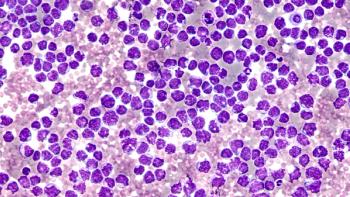
A pooled analysis with nearly 3 years of follow-up showed better outcomes when zanubrutinib was given in the second line vs later lines of therapy in patients with relapsed or refractory (R/R) mantle cell lymphoma (MCL).

A recent study suggests that more intensive triplet therapy is more effective than less intensive doublet therapy in frail patients with newly diagnosed multiple myeloma (MM), and that more intensive treatment may even improve frailty itself.

In the overall population of more than 1.3 million US adults, 37% of patients reported being diagnosed with T1D after 30 years, with men and racial or ethnic minorities diagnosed later compared with women and non-Hispanic White adults.

Christine Pfaff, RPh, senior regional director of operations at American Oncology Network, discusses the role of immunotherapy and precision medicine in oncology, as well as considerations for patient safety and financial toxicity when prescribing oncology drugs.

A recent study suggests that a patient’s immune microenvironment plays a key role in the depth and duration of response to multiple myeloma treatment.