Articles by Samantha DiGrande
Last year, the FDA expanded the indications of rheumatoid arthritis (RA) drug tocilizumab (Actemra) to include the treatment of cytokine release syndrome (CRS) caused by CAR T-cell therapy. Recently, 2 studies have identified another rheumatoid arthritis drug that could be more effective in the treatment of CRS.

Yesterday, the FDA announced that it has expanded the indications of pembrolizumab (Keytruda) to include recurrent or metastatic cervical cancer with disease progression on or after chemotherapy whose tumors express PD-L1.
In April, researchers from the University of Colorado Cancer Center completed the largest study of thyroid cancer genetics to date, the results of which were published in Clinical Cancer Research.
A study recently published in Cell investigated the deletion of the CD33 protein to enable CAR T-cells to more accurately target and attack cancerous cells in patients with n acute myeloid leukemia (AML).
In a recent study published in the Journal of Experimental Medicine, researchers found that fingolimod (sold as Gilenya), an FDA-approved orally administered drug to treat multiple sclerosis, could reduce painful side effects of multiple myeloma treatments.

A new immunotherapy referred to as the "Toca regimen" is being investigated in a phase 2/3 randomized, multicenter, open-label trial.

Immune cells that promote clotting within tumors in a specific type of lung cancer are actually assisting the tumor to spread throughout the body, according to a recent study published in Nature Communications.
Here is a preview of 5 of the biggest trial results to be presented at the American Society of Clinical Oncology (ASCO)'s Annual Meeting to be held on June 1 to 5, 2018, in Chicago, Illinois.

Trial results show that patients with hemophilia A with or without factor VIII inhibitors treated with emicizumab-kxwh every 4 weeks can have clinically meaningful control of bleeding.

A new case study found that an acute myeloid leukemia patient has remained cancer free for 9 months following treatment with the chimeric antigen receptor (CAR) T-cell treatment, CYAD-01, and a bone marrow transplant.
Many Americans are concerned about pharma’s influence throughout the healthcare industry and the implications such influence may have on drug costs. Here are 5 things to know about trends in public concern about pharma's reach.

Recently, the Institute for Clinical and Economic Review (ICER) released an evidence report that investigated the comparative clinical effectiveness and value of emicizumab (marketed as Hemlibra, developed by Genentech) in the treatment of hemophilia A.

Learn About My Pain (LAMP), a recent study published in Annals of Internal Medicine that evaluated the efficacy of simplified group cognitive behavioral therapy (CBT) versus group pain education (EDU) and usual care in a disadvantaged population, was found to be effective. Researchers found that in general, both CBT and EDU, but not usual care, were associated with statistically significant improvements in pain intensity.
A new study recently published in Proceedings of the National Academy of Sciences has identified a possible solution for improving the efficacy of moxetumomab pasudotox, or moxe, in patients with relapsed and chemotherapy-resistant acute lymphoblastic leukemia.

A recently published study in JAMA Internal Medicine sought to determine whether a symptom and psychosocial collaborative care intervention improves heart failure–specific health status, depression, and symptom burden in patients with heart failure.
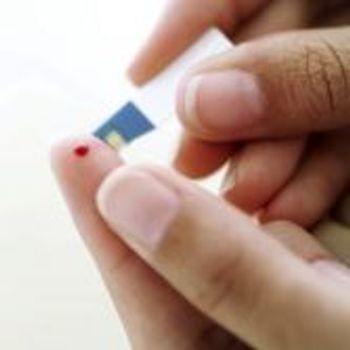
On Friday, Novo Nordisk announced the results from PIONEER 1, a phase 3a trial featuring oral semaglutide for treatment of adults with type 2 diabetes (T2D). Oral semaglutide is a new glucagon-like peptide-1 (GLP-1) analogue taken once daily as a tablet, making this investigational therapy the first oral treatment in this class.

A study to be published in the Journal of the American College of Surgeons found that a safety-net hospital in Florida could perform an esophagectomy, a highly complex operation, with fewer complications and shorter hospital stays than the national average.

A new study integrates traditional National Comprehensive Cancer Network prostate cancer guidelines with genetic information found in biopsied tissue to more accurately predict which men have more aggressive forms of prostate cancer.
Last year's approval of trastuzumab biosimilar, Ogivri, will be the first competitor to blockbuster drug, Herceptin, for the treatment of HER2-positive breast cancer since its discovery.

A new protocol is being tested at The Ohio State University Wexner Medical Center called an ECPR alert. The alert is designed for usage after ventricular fibrillation has been administered 3 times and the patient has remained in this rhythm.
Last week, the American Society of Clinical Oncology (ASCO) published its review of the leading oncology pathway vendors in the United States in the Journal of Oncology Practice. The report found that overall, the prominent commercial pathway programs in the United States are aligned with ASCO’s evaluation criteria.

This week, drug maker Bristol-Myers Squibb announced in a press release that the ongoing Phase 3 Checkmate-227 trial met its co-primary endpoint of progression-free survival with Opdivo plus Yervoy combination versus chemotherapy in first-line advanced non-small cell lung cancer patients whose tumors have high levels of an emerging biomarker called tumor mutation burden.
A recent study appearing in the American Heart Association journal Circulation, found that looking at how well hospitals adhere to treatment guidelines for heart failure is more important than comparing patient volumes at hospitals.

A new study published in the February issue of the New England Journal of Medicine found that patients that received radiofrequency catheter ablation compared with traditional drug therapies for atrial fibrillation (AF) had significantly lower hospitalization and mortality rates.

The Cancer Surveillance and Outcomes Research Team at the University of Michigan Comprehensive Cancer Center recently developed an interactive online tool to help patients with breast cancer understand their treatment options more fully.

The gold standard test for colon cancer detection is for patients to undergo a colonoscopy. However, the development of the fecal immunochemical test (FIT) provides patients with a noninvasive option that can be completed at home and would allow patients to forego the colonoscopy, if results are negative.
Researchers at The University of Texas MD Anderson Cancer Center recently reported in Lancet Oncology that a pair of targeted therapies given before and after surgery for melanoma produced a 6-fold increase in time to progression of the disease, compared with standard-of-care surgery for patients with stage 3 melanoma.

Although risk targeting may improve screening efficiency in terms of early lung cancer mortality per person screened, the gains in efficiency are modest in terms of life-years, quality-adjusted life-years, and cost-effectiveness, according to a study recently published in Annals of Internal Medicine.
Recently, the FDA granted a breakthrough therapy designation to eltrombopag (Promacta, Novartis) for combination use with standard immunosuppressive therapy as a first-line treatment for patients with severe aplastic anemia (SAA).

A recent study, published in JAMA Dermatology, investigated whether there was an association between insurance type and surgical delays for patients with melanoma.