





Atopic Dermatitis
Latest Content
Advertisement
Latest Videos






Advertisement
More News

A considerable number of patients with atopic dermatitis (AD) and limited health literacy, especially older individuals, experienced impaired health-related quality of life.

This study enhances current understandings of dupilumab use in patients with atopic dermatitis (AD) by showing its real-world effectiveness and safety.

Adult patients with moderate to severe atopic dermatitis (AD) had a 1-year and 1.5-year upadacitinib drug survival of 91.5% and 80.2%, respectively.

This systemic review determined telemedicine to be as effective as in-person appointments for the follow-up of patients with atopic dermatitis (AD).

Although injection site reactions were common occurrences in both the tralokinumab and dupilumab groups, tralokinumab caused ISRs more frequently.

Dupilumab and topical corticosteroids can be used to treat symptoms in children with atopic dermatitis (AD).

Global warming, wildfires, precipitation, floods, and storms impact patients with atopic dermatitis (AD).

The researchers suggested that physicians consider age-relevant atopic dermatitis (AD) treatment preferences in discussions with patients and caregivers.

This study suggests that adolescents with atopic dermatitis (AD) sleep less, have greater sleep dissatisfaction, and longer weekend catch-up sleep (WCUS) than those without AD.
This year’s most-read articles on atopic dermatitis (AD) explored different treatment and education methods.
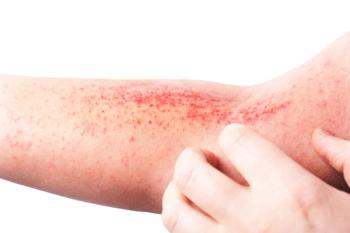
Exploring the Relationship Between AD, Psychological Stress, Sleep Disturbances, Salivary Biomarkers
Understanding these relationships is crucial for developing effective clinical management strategies for patients with AD, according to a recent literature review.

Our top coverage from this year’s Revolutionizing Atopic Dermatitis (RAD) conference highlighted the evolving therapy landscape for patients with AD.

Of patients in the atopic dermatitis (AD) cohort, 36.6% developed at least 1 comorbidity amid follow-up compared to 28.5% in the non-AD reference cohort.
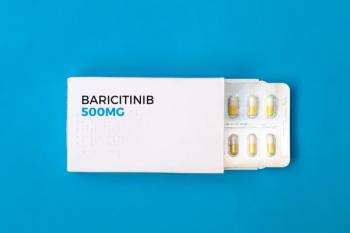
Based on the Likert scale, most patients with atopic dermatitis (AD) using baricitinib reported being either “satisfied” (76%) or “very satisfied” (18%).

A new study presented at this year’s American College of Allergy, Asthma and Immunology Annual Scientific Meeting highlights the need for mental health support in patients with atopic dermatitis (AD).

These new atopic dermatitis (AD) treatment guidelines from the American Academy of Dermatology (AAD) update their 2014 recommendations for the management of AD with phototherapy and systemic therapies.

The results from this 5-year, open-label extension trial affirm the safety of dupilumab in adults with moderate to severe AD.
Advertisement
Advertisement
Trending on AJMC
1
FDA Approves First New Early-Stage BC Hormone Therapy in Over 20 Years
2
CGM Discharge Barriers Center on Prior Authorization and Education
3
FDA Approves Oral Ribitol for LGMD2I/R9, a First in Limb-Girdle Muscular Dystrophy
4
Preventing High-Cost Failure: A Value-Based Approach to Reducing Diabetic Limb Loss in US Managed Care
5