



Diabetes
Latest News

Advertisement
Latest Videos









Advertisement
More News

Solera announced this week that the company has expanded its relationship with Blue Mesa Health to offer a Spanish-language Diabetes Prevention Program (DPP) Transformemos as a covered California Medicaid (Medi-Cal) member benefit.
Every week, The American Journal of Managed Care® recaps the top managed care news of the week, and you can now listen to it on our podcast, Managed Care Cast.

Patients with diabetes who participated in a program of group medical visits (GMVs) and intensive weight management showed improvements in glycemic control, according to a study published in JAMA Internal Medicine.

This week, the top managed care news included CMS started planning for life after the Oncology Care Model; a judge blocked a rule requiring immigrants to have health coverage; Election Day brought news for Medicaid work rules.

Oral semgalutide’s price, along with its potential for adverse events, caused ICER to give empagliflozin the edge in cost effectiveness as physicians and health plans evaluate which type 2 diabetes therapy should be given after metformin.

This week, the top managed care stories included a report from the FDA considering how to avoid drug shortages; a white paper finds rising comfort with telehealth even as use of digital health tools stagnates; data show a spike in the number of uninsured children.

Rising rates of obesity and diabetes have raised concerns that more people could be headed for end-stage renal disease (ESRD); thus, Medicare has been seeking ways to reduce the cost of care and to improve the quality of life for people on dialysis. Scientists are focusing on whether more patients with early-stage type 2 diabetes should take sodium glucose co-transporter 2 inhibitors, which have been shown to slow renal decline.

The 19 signers of the letter to HHS Secretary Alex Azar and CMS Administrator Seema Verma include Senate Finance Committee members and lawmakers from states with high rates of diabetes and obesity.
Every week, The American Journal of Managed Care® recaps the top managed care news of the week, and you can now listen to it on our podcast, Managed Care Cast.

A CDC report said that, overall, fentanyl continues to drive drug overdose deaths, but in almost half of the country, methamphetamine is the leading killer; backers of Medicaid expansion in Oklahoma said they submitted more than enough signatures to get the measure on the ballot in 2020; the Federal Trade Commission is suing publishers of "The Doctor's Guide to Reversing Diabetes in 28 Days" on the grounds that they are falsely promising a cure without dietary changes or exercise and stating that those changes will make diabetes worse.

This week, the top managed care news included the average Affordable Care Act premiums falling 4%; the FDA approving a triple combination treatment for cystic fibrosis; House Republicans releasing part 1 of their healthcare plan.
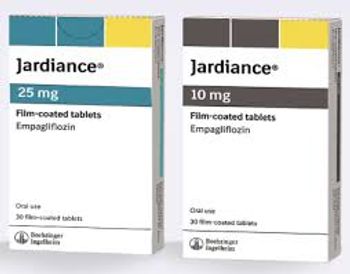
The advantage of empagliflozin, and the sodium glucose cotransporter 2 class generally, is that its unique mechanism expels excess glucose through the urine, thus offering the possibility of reducing glucose variability—eliminating the “roller coaster” effect that many with type 1 diabetes experience that can cause long-term microvascular damage.

Black patients with diabetes may have a significantly higher risk of readmission to hospitals than other ethnic and racial minorities due to the high burden and complications of the disease, according to research published in JAMA Network Open.
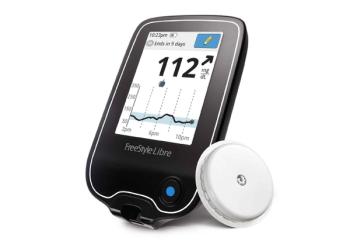
Omada Health, a longtime leader in digital health coaching for diabetes prevention and type 2 diabetes (T2D) care, and Abbott, maker of the FreeStyle Libre, said the partnership will “create a new paradigm” in T2D management.
The authors say their findings align with other analyses showing the cost-effectiveness of sodium glucose co-transporter 2 (SGLT2) inhibitors.

Federal judges denied a Trump administration proposal to deny green cards to immigrants requiring public benefits; researchers aim to develop a test to assess hereditary diabetes risk; vaping-related deaths rise to 29 nationwide.

FDA clears Dexcom G6 Pro CGM System for use among healthcare professionals; Cleveland Clinic and Oscar expand healthcare coverage to 3 additional Ohio counties; Planned Parenthood announces record-high election spend to support Democratic and pro-abortion candidates.

More than 2 years after the FDA derailed the trajectory of its novel treatment system for type 2 diabetes (T2D), Intarcia Therapeutics today announced that regulators have accepted a resubmitted new drug application for the mini pump that delivers a continuous dose of exenatide.
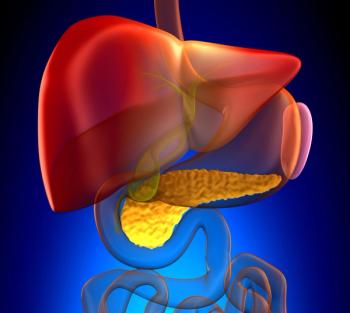
A study last year pointed to empagliflozin as the best choice for patients who have type 2 diabetes and non-alcoholic fatty liver disease.
Every week, The American Journal of Managed Care® recaps the top managed care news of the week, and you can now listen to it on our podcast, Managed Care Cast.

This week, the top managed care news included Medicare cuts hospital payments over readmissions; a second-generation chimeric antigen receptor T-cell therapy shows promise; a diabetes drug is approved to prevent kidney failure for the first time.

The new indication is based on results of the CREDENCE trial, which found that canagliflozin reduced the risk of renal failure or death by 30% in those that had both type 2 diabetes and diabetic kidney disease.
Podcast: This Week in Managed Care—State, Federal Crackdowns on Vaping, and Other Health News
By
Every week, The American Journal of Managed Care® recaps the top managed care news of the week, and you can now listen to it on our podcast, Managed Care Cast.
Converting from analogue insulin to human insulin is associated with a clinical insignificant increase in glycated hemoglobin of 0.16% but with improved insulin adherence.
The editor-in-chief of Evidence-Based Diabetes Management™ introduces the special issue, Perspectives on Insulin Pricing, and shares that he has seen rationing among his own patients.
Advertisement
Advertisement
Trending on AJMC
1
The True Cost of Running a Community CAR T-Cell Program
2
Bringing CAR T-Cell Therapy Into Community Cancer Centers
3
Tozorakimab Cuts COPD Exacerbations Up to 34% in Phase 3 Trials
4
Trump Admin Awards $106M to Expand Rural Health Care in NY, RI, MI
5