
Diabetes
Latest News
Advertisement
Latest Videos

Advertisement
More News

Findings reported at the 79th Scientific Session of the American Diabetes Association in San Francisco, California, show the type 2 diabetes drug dapagliflozin significantly reduced the risk of renal decline, kidney failure, and renal death.
Results from a study involving adding sitagliptin and increasing doses of metformin for patients who cannot attain glycemic control show that as glycated hemoglobin increases, it becomes harder to reach targets.
Every week, The American Journal of Managed Care® recaps the top managed care news of the week, and you can now listen to it on our podcast, Managed Care Cast.
Oral semaglutide would be the first non-injectable agent in the GLP-1 receptor agonist class; these drugs produce powerful glycemic control along with weight loss.

This week, the top managed care news included the American Society of Clinical Oncology discussing drug pricing; community oncologists seeking a delay in taking on downside risk in the Oncology Care Model; CDC finding a drop in new diabetes cases in the United States.

The person-centered factors that drive outcomes in diabetes requires hospital systems that can actually address those needs, said Kellie Rodriguez, RN, MSN, MBA, CDE, director, Global Diabetes Program, Parkland Health & Hospital System.

Coverage of our peer-reviewed research and news reporting in the healthcare and mainstream press.

The World Health Organization (WHO) has included burnout in the International Classification of Diseases, 11th Revision (ICD-11); public health officials may refuse to renew the license of the last abortion provider in Missouri, which would make the state the only one in the country without access to a legal abortion provider; organizations have announced a research initiative to identify why immunotherapy causes diabetes in some patients with cancer.
A Policy article in the May issue of The American Journal of Managed Care® suggests that sequential addition of SGLT2 inhibitors to DPP-4 inhibitors may be considered cost-effective compared with standard treatment using sulfonylurea and insulin for patients with type 2 diabetes who have difficulty maintaining glycated hemoglobin of seven percent or less on metformin alone.

Changes with health plans can be disruptive to patients with diabetes who face changes in supplies and medications that make it difficult to manage their disease, said Jaime A. Davidson, MD, FACP, MACE, professor of medicine, Touchstone Diabetes Center, The University of Texas Southwestern Medical Center.
In the last 2 decades, the cost of healthcare has risen, but the expectations of self-management for people with diabetes has stayed the same, which has made it more challenging to live with the disease, said Kellie Rodriguez, RN, MSN, MBA, CDE, director, Global Diabetes Program, Parkland Health & Hospital System.

Vermont's Attorney General has sued the Sackler family, owners of Purdue Pharma, for allegedly directing a deceptive opioid marketing campain; drug manufacturer Eli Lilly has offered a half-priced, generic version of Humalog insulin; asthma rates for children fell in Los Angeles after air quality improved.
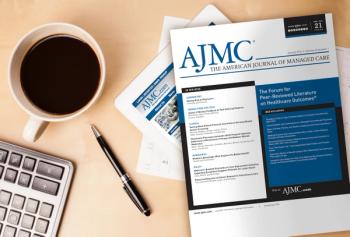
The May issue of The American Journal of Managed Care® (AJMC®) featured research on diabetes drug cost-effectiveness, patient-centered medical homes, and value-based insurance design. Here are 5 findings from research published in the issue.



Advertisement
Advertisement
Trending on AJMC
1
The True Cost of Running a Community CAR T-Cell Program
2
Bringing CAR T-Cell Therapy Into Community Cancer Centers
3
Tozorakimab Cuts COPD Exacerbations Up to 34% in Phase 3 Trials
4
Trump Admin Awards $106M to Expand Rural Health Care in NY, RI, MI
5