

Diabetes
Latest News
Advertisement
Latest Videos









Advertisement
More News

A presentation at the fall live meeting of the ACO & Emerging Healthcare Delivery Coalition® focused on the clinical and economic consequences of not meeting glycemic goals in patients with type 2 diabetes.

The American Diabetes Association update has recommendations that affect liraglutide, canagliflozin, and empagliflozin.

AJMC provides a look at some of the updates coming out of the FDA this week, from new guidance on digital health oversight to multiple new drug approvals.
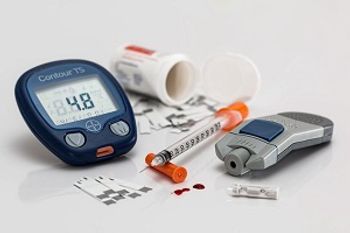
Semaglutide, Novo Nordisk’s once-weekly glucagon-like peptide-1 (GLP-1) receptor agonist for type 2 diabetes (T2D), received FDA approval Tuesday, after beating its rival in a head-to-head trial and coming to the approval process with proof of cardiovascular benefits already in hand.

On December 5, 2017, FDA approved Novo Nordisk’s semaglutide, a once-weekly glucagon-like peptide-1 (GLP-1) receptor agonist for the treatment of type 2 diabetes. Todd Hobbs, MD, Novo Nordisk’s vice president and chief medical officer, spoke with The American Journal of Managed Care® just ahead of FDA’s action.

Sanofi’s newest insulin met its primary objective in a large head-to-head trial that compared it with its chief competitor.

Every week, The American Journal of Managed Care® recaps the top managed care news of the week, and you can now listen to it on our podcast, Managed Care Cast.

This week, the top managed care news included a new proposal from CMS that insurers warn will cause confusion; a new review examines the prevalence and cost of chronic conditions in Medicaid; and a study finds 42% of all new US cancer cases in 2014 were due to potentially modifiable exposures.
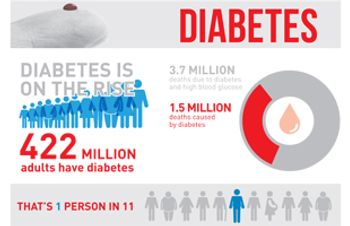
Liver and endometrial cancer accounted for high numbers of new cases; increases of these cancer types have been attributed to rising rates of diabetes and obesity.

High prevalence of chronic conditions has been a key driver of healthcare costs in the United States, and Medicaid beneficiaries tend to have higher rates of chronic diseases than people not on Medicaid.
Physicians’ response to policy changes in the Affordable Care Act show that changing cost-sharing formulas can make a difference, according to results reported by Drs. Joseph Ladapo and Dave Chokshi.

The research shows that giving patients support to keep weight off after surgery is key to maintaining diabetes remission.
Every week, The American Journal of Managed Care® recaps the top managed care news of the week, and you can now listen to it on our podcast, Managed Care Cast.

This week, the top managed care stories included a new rule from CMS to address drug costs for seniors; a campaign to get payers to fund the artificial pancreas is working; and a new survey identifies how Americans prefer to treat pain.

Diabetes prevention is about a change in lifestyle that will lead to internalized benefits that reduce risk, explained Paul Chew, MD, chief medical officer of Omada Health.
In this longitudinal comparative effectiveness study of different chronic disease self-management support approaches within 1 system, both pharmacist- and nurse-led patient-centered medical home approaches improved diabetes care.
The Beyond A1C movement seeks regulatory and clinical are frameworks that recognize the day-to-day measures that matter to patients, such as how often they experience hypoglycemia.

The Coverage2Control campaign has worked to convince payers of the value of life-saving technology and the need to control out-of-pocket costs.
The first major update since 2003 was announced this week during the 2017 American Heart Association Scientific Sessions.
The findings, presented at the 2017 American Heart Association Scientific Sessions, suggest that a "precision medicine" approach to tailoring adherence strategies to individual patients may be needed, according to the study's lead author.
Researchers presenting at the American Heart Association look at specific populations within 2 large diabetes drug trials, CANVAS and EMPA-REG OUTCOME.
A study published in JAMA analyzed 155 health conditions, 36 age and sex groups, and 6 types of care to determine the impact of population growth, population aging, disease prevalence or incidence, service utilizations, and service price and intensity on healthcare spending increases in the United States from 1996 to 2013.
The Gallup-Sharecare Wellbeing Index released its estimate of the cost of diabetes for employers on World Diabetes Day.

The EMPA-REG trial has been a big step forward for clinicians being able to put patients with type 2 diabetes onto treatment that also reduces cardiovascular disease risk, which is the primary cause of death in these patients, explained Eliot A. Brinton, MD, FAHA, FNLA, president of the Utah Lipid Center.
Every week, The American Journal of Managed Care® recaps the top managed care news of the week, and you can now listen to it on our podcast, Managed Care Cast.
Advertisement
Advertisement
Trending on AJMC
1
The True Cost of Running a Community CAR T-Cell Program
2
Bringing CAR T-Cell Therapy Into Community Cancer Centers
3
Tozorakimab Cuts COPD Exacerbations Up to 34% in Phase 3 Trials
4
Trump Admin Awards $106M to Expand Rural Health Care in NY, RI, MI
5