


Hematology
Latest Content
Advertisement
Latest Videos







Advertisement
More News
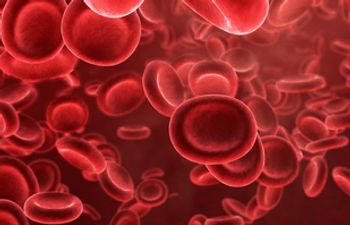
AMT-061, an AAV5 vector containing factor IX (FIX)-Padua variant, has been shown to increase FIX activity to threshold FIX levels sufficient to significantly reduce the risk of bleeding events without the risk of adverse immune reactions.

A new investigational drug has demonstrated high response rates in patients with a rare but highly aggressive blood disease that currently has no approved therapies, according to new research led by investigators at The University of Texas MD Anderson Cancer Center.

Since chimeric antigen receptor (CAR) T-cell therapy is still in early development there are benefits and risks that eligible patients will have to weigh, including the durable response against the limited amount of data and toxic side effects, said Brian Koffman, MDCM, DCFP, DABFM, MS Ed, medical director, CLL Society.

The FDA announced Friday it expanded the approved use of brentuximab vedotin (Adcetris) in combination with chemotherapy for adult patients with certain types of peripheral T-cell lymphoma, using a new review process designed to increase efficiency.
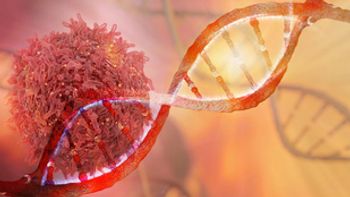
When used in combination with rituximab, Hu5F9-G4 (5F9), a humanized monoclonal anti-CD47 antibody, promotes durable objective and complete response rates in lymphoma while also having minimal adverse events (AE), according to a phase 1b study published in New England Journal of Medicine.

Patients with blood cancers are burdened with higher costs than patients with other cancers, and spending in blood cancers does not return to precancer levels, according to a new study from the Leukemia & Lymphoma Society.
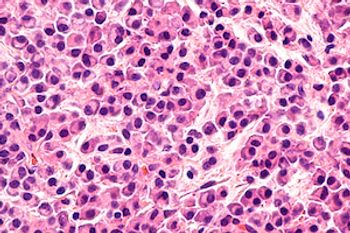
Daratumumab, a human CD38-directed monoclonal antibody, has been confirmed as safe in a population of heavily pretreated patients with multiple myeloma who received access to the treatment before the medication was commercially available, according to an early access treatment protocol study published in Cancer.
Children and adolescents with acute lymphoblastic leukemia (ALL) face an increased risk of obesity and growth impairment from the disease and during ALL treatment, regardless of exposure to cranial irradiation, according to a recent study.

While survival from leukemia improved among adults from 1995 to 2009, and the survival gap between sexes decreased, the racial gap did not, according to new research published in Cancer.
The analysis comes amid a debate set off when CVS Caremark announced that it would allow self-funded insurers to exclude drugs that entered the market above $100,000 per quality-adjusted life year.
In the last decade, testing for and treatment of chronic lymphocytic leukemia (CLL) had undergone substantial changes with new testing that can personalize therapy and new agents that provide more clinical benefit.

A life-saving therapy is challenging to administer and poses financial risks for patients and institutions alike. Speakers at the Academy of Managed Care Pharmacy Nexus 2018 address some approaches to paying for it while CMS develops long-term policies.

The EVI1 gene may be single-handedly at fault for acute myeloid leukemia, according to research published in Nature Communications.
Researchers have created a database that shows how 409 different tumor cells respond to 122 therapies, which will allow clinical trials to proceed for this aggressive blood cancer.

Multiple myeloma (MM) occurs 2 to 3 times more frequently in Americans of African descent than in Americans of European descent, and a new study has identified 3 gene types that account for this disparity.

Tisagenlecleucel's high price is aligned with the benefit the chimeric antigen receptor T-cell therapy provides over a patient's life. Approximately 40% of patients treated are expected to be long-term survivors.

Research at the University of Washington is exploring the possibility of triggering one gene to take over the function of another with a common mutation that triggers acute lymphoblastic leukemia.
Advertisement
Advertisement
Trending on AJMC
1
Merck, Moderna Cancer Vaccine Cuts Melanoma Recurrence Risk by 42%
2
IDWeek Studies Tie RSV, Flu, and COVID-19 to Harm After Acute Illness
3
Former USAID Health Chief Says Aid Cuts Are Costing Children's Lives
4
It’s the Best of Times and Worst of Times for Cancer Care in Tampa
5