



HIV
Latest Content
Advertisement
Latest Videos



Advertisement
More News

The guidance focuses on treatment with tecovirimat, pre-exposure prophylaxis and postexposure prophylaxis with the Jynneos monkeypox vaccine, and infection control among persons living with HIV (PLWH).

Anchalee Avihingsanon, MD, PhD, HIV-NAT, Thai Red Cross AIDS Research Centre, Bangkok, Thailand, is principal investigator of the ALLIANCE trial.

Not all barriers to HIV-related care and services have been eliminated, and these gaps in care were exacerbated by treatment disruptions brought on by the COVIDC-19 pandemic.
Anchalee Avihingsanon, MD, PhD, HIV-NAT, Thai Red Cross AIDS Research Centre, Bangkok, Thailand, is principal investigator of the ALLIANCE trial from Gilead.
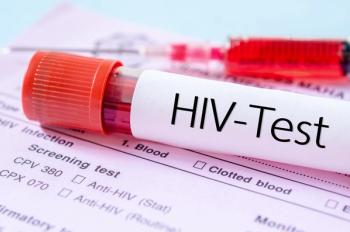
New study findings show suboptimal HIV and sexually transmitted infection (STI) testing rates among sexual and gender minority individuals in the state, contrary to CDC guidelines.

The first case of polio in the United States in nearly a decade demonstrated a potential link to vaccine-derived viruses in Jerusalem and London; the world’s first HIV-positive heart transplant has been performed in the Bronx; North Carolina is on the path to Medicaid expansion.
The ALLIANCE trial is the first randomized blinded trial to investigate tenofovir alafenamide vs tenofovir disoproxil fumarate in treatment-naive individuals who have comorbid HIV/hepatitis B virus (HBV) infection.
City of Hope has announced that a patient living with HIV, who received a stem cell transplant from an unrelated donor to treat acute myelogenous leukemia, has been in remission from both diseases since 2019.

Developments in health care and research warrant updates to the World Health Organization (WHO) guidelines on cotrimoxazole prophylaxis for infants who are exposed to HIV but uninfected.
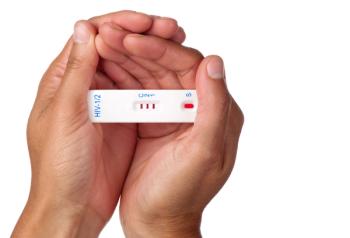
In 22 countries supported by the US President’s Emergency Plan for Aids Relief, HIV testing and case identification among children and adolescents decreased 40.1% and 29.4%, respectively.

Frequent users of an app designed to support HIV pre-exposure prophylaxis (PrEP) adherence had higher adherence rates than individuals who used the app infrequently or not at all.
A significant decline in HIV-related service utilization was observed among at-risk populations in India during the COVID-19 pandemic.
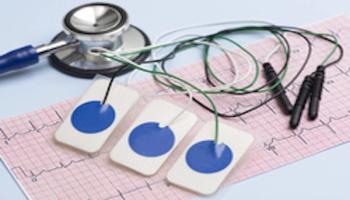
Investigators from Ghana evaluated cardiac abnormalities among persons living with HIV who were or were not on highly active antiretroviral treatment.

Will Nutland, DrPH, is cofounder of PrEPster, honorary assistant professor at the London School of Hygiene and Tropical Medicine, and an activist.
A possible connection between integrase strand-transfer inhibitor (INSTI) use for HIV and cardiovascular disease (CVD) was investigated in this new study from an international team wanting more knowledge on the drug class’s treatment effects.
The Senate passed a bipartisan gun law, the first major gun legislation in nearly 30 years, which now goes to the House; HIV cases dropped during the pandemic, perhaps due to lack of testing; researchers say COVID-19 vaccines have saved nearly 20 million lives but could be even more effective.
The findings of this study, which used insurance claims data for patients 2 years and older to determine rates of meningococcal A, C, W, Y vaccine uptake, points to the need for more education, the authors said.

Bruce House in Ottawa, Ontario, Canada, has been serving individuals living with HIV and AIDS for 34-plus years. Here we speak with Patrick Morley, office and communications coordinator.
Researchers emphasize the importance of characterizing and recognizing this subtype to identify patients at risk of Kaposi sarcoma.
The new trial was the first to investigate outcomes among a patient population living with HIV (PLWH) who were treated for anal precancerous growths, or high-grade squamous intraepithelial lesions.

Amanda Ely is CEO of the Children’s HIV Association (CHIVA), an organization that provides support to children living with HIV in the United Kingdom and Ireland and their families.

An experimental cancer drug made 100% of patients’ rectal tumors disappear in a small study; US military members with HIV with an undetectable viral load and no symptoms will no longer face restrictions in deployment or commission; President Biden may sign an executive order on abortion rights depending on the Supreme Court’s ruling.
A small study found that 2 broadly neutralizing anti-HIV antibodies could help achieve long-term virological suppression in patients with HIV who were taken off antiretroviral therapy.

Will Nutland, DrPH, is cofounder of PrEPster, honorary assistant professor at the London School of Hygiene and Tropical Medicine, and an activist.
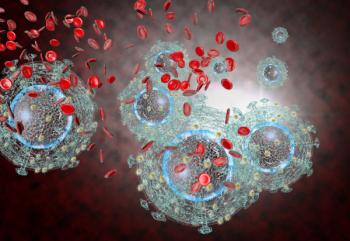
Using a 6-month lagged CD4/CD8 ratio, researchers found a ratio of 0.30 was associated with a 24% increased risk of any incident cancer among people living with HIV, compared with a ratio of 0.80.
Advertisement
Advertisement
Trending on AJMC
1
Merck, Moderna Cancer Vaccine Cuts Melanoma Recurrence Risk by 42%
2
Real-World AMKD Data Highlight Quick Progression, Unmet Needs
3
Pulmonary Embolism Can Affect Elite Athletes, Too: Samantha Pettigrew, MD
4
UPMC Health Plan's Food as Medicine Pilot for Members With Diabetes
5