


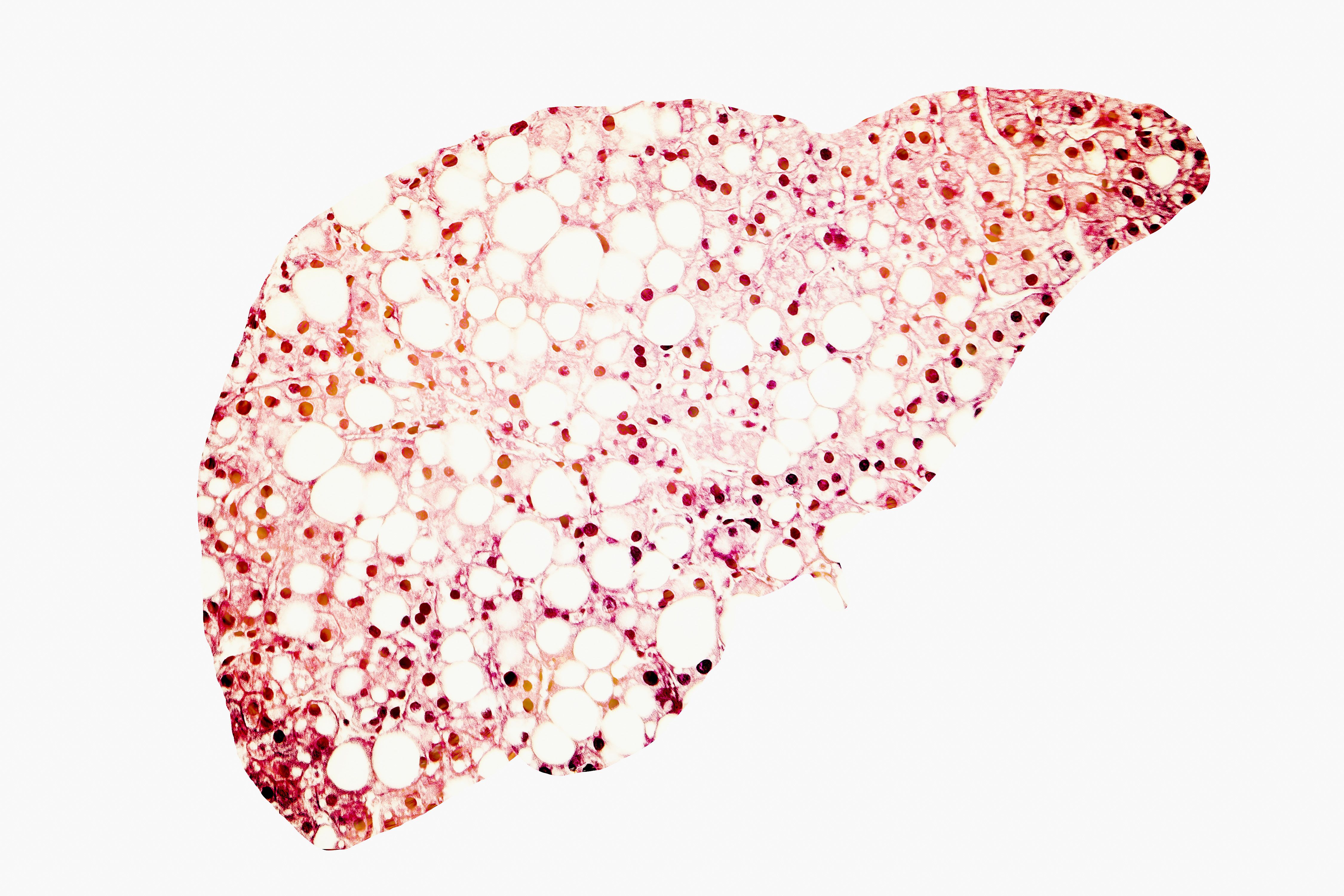


A survey of global physicians found a gap in knowledge of non-alcoholic fatty liver disease (NAFLD) despite the growing burden of the disease worldwide.
A survey of global physicians found a gap in knowledge of non-alcoholic fatty liver disease (NAFLD) despite the growing burden of the disease worldwide.

The problem of alcoholic liver disease is growing in the United States, and obtaining treatment is difficult.

Coffee contains hundreds of chemical compounds and comes in several forms, and according to a recent study, has a protective effect on the liver, no matter what the type.

A long-term Swedish study found that nonalcoholic fatty liver disease (NALFD) significantly increased mortality in children and young adults, particularly due to cancer, cardiometabolic disease, and liver disease.
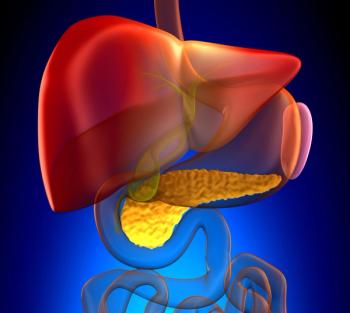
Manipulating the expression of MAGEA3 can help block the growth of hepatocellular carcinoma.

As awareness of nonalcoholic fatty liver disease (NAFLD) rises, it is essential to develop and implement a rigorously determined approach to identify patients who will, or will not, benefit from diagnostic evaluation.
Deploying vibration-controlled transient elastography/controlled attenuation parameter devices at the population level is a financially advantageous solution to address the epidemic of fatty liver disease.

The lack of FDA approvals for the treatment of nonalcoholic steatohepatitis (NASH) and safety concerns surrounding 2 recommended treatments contribute to the barriers blocking effective progress, said Karen Watkins, PharmD, pharmacist for emerging therapeutics strategy, MedImpact Healthcare Systems.
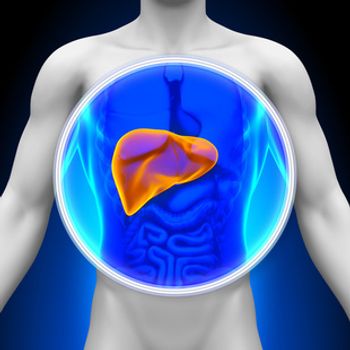
Results were presented recently at the 79th Scientific Sessions of the American Diabetes Association.
Despite how common nonalcoholic fatty liver disease is, there are currently no approved medications on the market. Instead, patients have to rely on lifestyle modification, such as weight loss, increased physical activity, and dietary changes. However, that may change.