




Ophthalmology
Latest News
Advertisement
Latest Videos









CME Content


Advertisement
More News

Among children who underwent unilateral cataract removal in infancy, risk of glaucoma-related adverse events continues to increase with longer follow-up and is not associated with primary intraocular lens (IOL) implementation, according to research published in JAMA Ophthalmology.

In a year in which health care professionals were forced to alter treatment plans to adjust to an ongoing health crisis, the majority of our most popular ophthalmology stories of 2020 involved the intersection of ophthalmologic care and coronavirus disease 2019.

Verana Health, along with the FDA, the American Glaucoma Society, and American Academy of Ophthalmology, recently announced the launch of the Patient-Reported Outcomes for Minimally Invasive Glaucoma Surgery study with the first patient enrolled.

The most significant ocular symptom experienced by those suffering from coronavirus disease 2019 (COVID-19) was sore eyes, according to new research published in BMJ Open Ophthalmology.
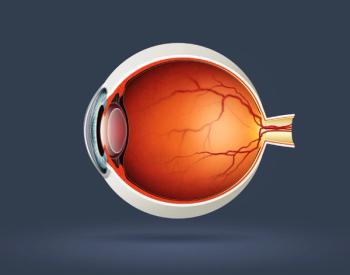
Visual hallucinations (VH) among patients with Parkinson disease (PD) appear to be associated with thinning of the inner retina, according to research published in Scientific Reports.

Friction of surgical instruments has the greatest association with incisional Descemet membrane detachment (DMD) during cataract surgery, according to results of a case series published in JAMA Ophthalmology.

During the enactment period of recent Michigan opioid laws, a reduction in opioid prescriptions for oculoplastic and orbital procedures was observed and appeared to be sustained, according to research published in JAMA Ophthalmology.

An increase in primary rhegmatogenous retinal detachment incidence (RRD) may be associated with a simultaneous increase in myopia among citizens residing in the Netherlands, according to study results published in JAMA Ophthalmology.
Results of a retrospective case series revealed an association between blood-brain barrier disruption (BBBD)–related maculopathy and the number of BBBD treatment sessions patients underwent, suggesting a dose-dependent effect of the treatment.

By analyzing retrospective consecutive case series, researchers identified 5 clinical and radiographic variables associated with increased risk of serious ocular injury in patients with orbital fracture to aid non-ophthalmologists in triaging these patients for urgent ophthalmologic evaluation.
Among patients with glaucoma, diffuse rather than focal glaucomatous macular damage was associated with diminished facial recognition and contrast sensitivity, according to results of a cohort study published in JAMA Ophthalmology.

Findings published in BMC Ophthalmology suggest that during diagnosis and follow-up of glaucoma with high myopia, more attention ought to be focused on structure and functional defects in macular areas.

Women filling a prescription for female hormone therapy (FHT), and presumably taking FHT, are not at increased risk of retinal artery or retinal vein occlusions.
An abnormal red reflex finding most likely reflects an underlying ocular pathology in infants, but finding a normal red reflex during screening does not altogether exclude ocular disease.

Between 2003 and 2016, the United States saw a 4-fold increase in drug use–related endogenous endophthalmitis hospitalizations, contributing to a substantial health care use burden.
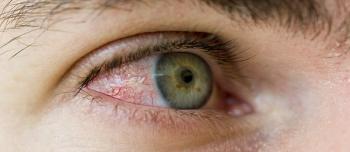
New data to be presented at the American Academy of Ophthalmology’s Annual Meeting highlight the efficacy of Tepezza (teprotumumab), the first and only FDA approved medicine for thyroid eye disease.
Central retinal vessel density is associated with diabetic retinopathy severity in eyes without, but not with, predominantly peripheral lesions (PPL) according to a study published in JAMA Ophthalmology.

Older Americans with vision impairment may be less likely to use cancer-related preventive services compared with their counterparts without vision impairment.

Results from a prespecified ancillary study show neither vitamin D3 nor marine ω-3 fatty acid supplementation had a significant overall effect on age-related macular degeneration (AMD) incidence or progression.
In a longitudinal cohort study, researchers identified 17 seemingly novel variants of the PDE6A retinitis pigmentosa gene, suggesting it may be amenable to gene therapy.

Anti–vascular endothelial growth factor (VEGF) treatment was associated with preserved useful visual acuity in almost 20% of patients with neovascular age-related macular degeneration (nAMD).
Although probing for congenital nasolacrimal duct obstruction is safe and effective , age at the time of initial intervention and bilateral surgery constitutes a significant risk for a failed procedure, according to study results published in BMC Ophthalmology.

Acute coronary syndrome (ACS) was associated with lower inner vessel length density, measured via optical coherence tomography angiography (OCT-A), and with higher concentrations of angiopoietin-2 and osteoprotegerin, according to study results published in Scientific Reports.
Compared with placebo, low-dose atropine (0.01%) eyedrops may slow myopia (nearsightedness) progression and axial elongation in Chinese children with low and moderate myopia.
Researchers found the nucleocapsid protein (NP) antigen of SARS-CoV-2, the virus which causes coronavirus disease 2019 (COVID-19), existed intracellularly in the ocular tissues of a patient who previously had COVID-19.
Advertisement
Advertisement
Trending on AJMC
1
TrumpRx Launch Brings Savings—and Uncertainty
2
How Do GLP-1 Agonists Fit Into Stroke Care?
3
Addressing Disparities at Every Step of the Stroke Care Pathway: Luke Messac, MD, PhD
4
5 Things to Know About the Oral GLP-1 Era
5