



Population Health
Latest News
Advertisement
Latest Videos







Advertisement
More News

On Friday, President-elect Donald Trump announced his nominations to lead the CDC, for FDA Commissioner, and for Surgeon General.

The 2024 March of Dimes report card gave the US a D+ overall, with worse grades among Southern states.

For over 20 years, the Movember Foundation has used its mustache-growing campaign to raise awareness and funds for men's health issues, namely mental health and prostate and testicular cancers.

Lindsay Bealor Greenleaf, JD, MBA, discusses how the appointment of Robert F. Kennedy Jr as HHS secretary could affect health care services in the future.

To achieve longer accountable relationships, a bridge from one insurer to another could be built through continuity of accountability amid insurance transitions, improved risk prediction, and cooperation in the design of accountable care models.

Influenza antiviral treatment remains underutilized among eligible children and adolescents, particularly in outpatient settings, despite CDC recommendations.

The new report from US Surgeon General Vivek H. Murthy, MD, MBA, highlights persistent disparities in tobacco use and secondhand smoke exposure, calling for equitable strategies to achieve a tobacco-free future.

In the hours after President-elect Donald J. Trump tapped Robert F. Kennedy Jr to lead HHS, reactions came swiftly to the controversial pick who would have a large influence to shake up public health.

Robert F. Kennedy Jr, a prominent antivaccine activist and former independent presidential candidate, has been nominated to lead HHS, where he would oversee significant aspects of the nation’s public health policy.

New data from the CDC reveal that opioid overdose deaths have decreased to their lowest since 2020.

Health care apps like MyChart, mySugr, GoodRx, and Smoke Free can enhance patient care through accessibility, convenience, and engagement, but further discussion is warranted on the optimal use of these apps.

Emergency department (ED) visits and hospitalizations for ambulatory care–sensitive conditions (ACSCs) among Medicaid patients constitute almost 40% of all ED visits and hospitalizations, with lower rates observed in areas with greater proximity to urgent care facilities and density of rural health clinics.

The US government is tackling veteran homelessness through housing programs. A recent study found that temporary financial assistance (TFA) through the Supportive Services for Veteran Families (SSVF) program is associated with positive health effects and lower health care costs.
This article used regression analyses to quantify how clinical staff perceive provider feedback to improve human papillomavirus (HPV) vaccination rates and determine the prevalence of such feedback.
Proactive care management for artificial intelligence (AI)–identified at-risk patients reduced potentially preventable hospital admissions.

Financial toxicity is a burden many patients and their families unfortunately are forced to shoulder, leading some to delay or skip care and incur bills related to their care that they lack the financial capacity to pay off.

Carol R. Regueiro, MD, MSc, of Allegheny Health Network, highlights how the Physician Partners of Western PA practice support model has successfully engaged specialty practices to enhance patient connections and promote a population health perspective.

US drug shortages have decreased from 323 to 277 as of September 2024, yet many essential drugs remain scarce, with 50% of shortages lasting over 2 years due to ongoing supply and manufacturing issues.

The authors detail how artificial intelligence could be used in primary, secondary, and tertiary prevention to improve health outcomes and provide better value-based care.
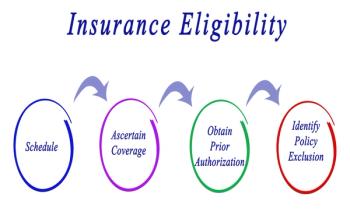
Prior authorizations (PA) have been the subject of much scrutiny as of late through research demonstrating subsequent limited access to care in the aftermath of PA denials from use of artificial intelligence (AI) technologies.

Global respiratory leaders at the CHEST 2024 annual meeting underscored the ongoing clinical burden of tuberculosis, emphasizing that it remains a significant global health challenge that requires ongoing attention and awareness.
The authors evaluated whether adolescents receiving care at accountable care organizations (ACOs) vs non-ACOs were more likely to initiate and complete the human papillomavirus (HPV) vaccination series.

Of the 10% of women contacted for this survey who said that they or their partner had ever sought fertility assistance, only 7% were able to get the necessary care; cost was cited as the top reason for not being able to access fertility services.

Medicaid, Medicare, and private insurance programs all showed significant variability in expenditures based on social and nonclinical factors.

A study in Indiana found that older adults in low-income clinics often experience memory problems that go undetected, with African American patients facing a significantly higher risk.
Advertisement
Advertisement
Trending on AJMC
1
FDA Expands Finerenone Approval to CKD Associated With Type 1 Diabetes
2
A Patient-Centered Reconstruction of 340B in Oncology: Transparency, Equity, and Site-of-Care Accountability
3
Delayed Dupilumab Raises Asthma Costs 32%: Nicola Hanania, MD
4
Twice-Yearly CD19 Therapy Targets MG Root Cause: Richard Nowak, MD, MS
5