


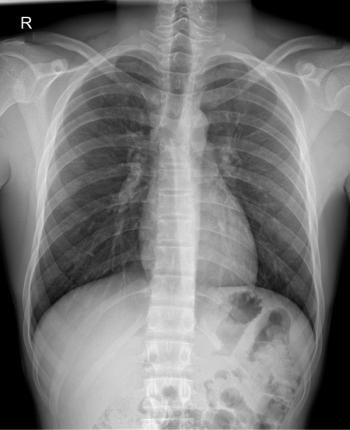
Many roadblocks exist to detecting and assessing pulmonary hypertension (PH) in patients with interstitial lung disease (ILD), but creative thinking and artificial intelligence (AI) may soon help improve the landscape.
Many roadblocks exist to detecting and assessing pulmonary hypertension (PH) in patients with interstitial lung disease (ILD), but creative thinking and artificial intelligence (AI) may soon help improve the landscape.

Although vapes have not been around long enough to yield long-term safety data, known risks associated with their ingredients and reported lung injuries suggest the dangers of this habit.

The comparative effectiveness study found that the addition of selexipag (Uptravi) to double oral therapy (DOT) reduced the risk of patients being hospitalized or having their disease progress.

CHEST 2024 late-breaking data showcased the potential of AI-based systems in diagnosing and managing pulmonary embolism.

Chronic obstructive pulmonary disease (COPD) presents a significant challenge for both patients and health care providers and discussions of effective management strategies took center stage at CHEST 2024 in Boston.

As more researchers utilize digital technology to measure mobility in pulmonary arterial hypertension (PAH), a team calls for consistent protocols to make outcomes as meaningful as possible to patients and clinicians

Hope is on the horizon for patients living with chronic obstructive pulmonary disease (COPD). CHEST 2024 in Boston featured a session highlighting emerging bronchoscopic therapies.

Krunal Patel, MD, Temple University Hospital, highlights CHEST 2024 data revealing why timing matters with acute pulmonary embolism (PE) intervention.

One of the first sessions to kick off CHEST 2024 in Boston looked at the future of physician compensation, which highlighted the consolidation of physician practices, unionization, the role of coding and fee-for-service payment, and the impacts of facility reimbursement, inflation, and market conditions.

Parth Rali, MD, Temple University Hospital, is looking forward to approaching pulmonary vascular diseases as a spectrum, especially when assessing pulmonary embolism and pulmonary hypertension, at CHEST 2024.

Klaus Rabe, MD, PhD, chest physician and professor of medicine, University of Kiel, discusses improvements in lung function observed in patients enrolled in the BOREAS trial.
An adult patient with pulmonary arterial hypertension (PAH) and metastatic lung adenocarcinoma showed significant clinical improvement when chemotherapy and immunotherapy were added to PAH triple therapy.

The European approval comes months after the FDA’s approval of the first-of-its-kind treatment for pulmonary arterial hypertension (PAH).

The tentative approval cannot take effect because a competing product was granted market exclusivity.
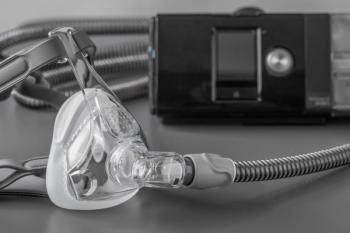
When women with obstructive sleep apnea (OSA) carrying high-risk pregnancies collaborate with their health care providers to find the best individualized continuous positive airway pressure (CPAP) treatment, their risks of gestational hypertension and preeclampsia may drop appreciably
Most patients with chronic obstructive pulmonary disease (COPD) remain untreated after diagnosis, leading to frequent exacerbations.

Though circulating high mobility group box-1 levels appear to be a biomarker for pulmonary arterial hypertension (PAH) in adults with congenital heart disease, the same is not true in pediatric patients.

Malnutrition significantly increases the 180-day hospital readmission rates among patients 65 years or older with chronic obstructive pulmonary disease (COPD), highlighting the importance of monitoring and improving their nutritional status.

Patients with hypertension-related chronic kidney disease who increased daily fruit and vegetable consumption showed improved cardiovascular health and reduced blood pressure compared with participants who added baking soda to their diet or who received pharmacological-only treatment.

Researchers don’t fully understand why these disorders are increasing, but they declare that finding out should be a top priority.

New data from the single-center, open-label extension EDITA-ON study suggest that early treatment for pulmonary arterial hypertension (PAH) could benefit patients with systemic sclerosis and early pulmonary vascular disease.

The hospitalization rate for patients with pulmonary hypertension (PH) and interstitial lung disease (ILD) doubled over a 2-year period, and total health care costs more than doubled over the same period.
A new report shows wide variability in terms of which patients with chronic thromboembolic pulmonary hypertension (CTEPH) are deemed eligible for pulmonary endarterectomy and balloon pulmonary angioplasty.

Chronic obstructive pulmonary disease (COPD) significantly heightens the risk of mortality and hospitalization in patients with heart failure with preserved ejection fraction (HFpEF).

Investigators hoped to use large-scale proteomics to help predict hypertensive disorders of pregnancy (HDP), using blood proteins obtained from individuals in their first trimester of pregnancy—but success has been elusive.