




Reimbursement
Latest News

Payers Fail to Reset Radiation Oncology Payments to Match Coding Changes—and Some Clinics May Close, Leading Oncologist Says
By Mary Caffrey
Advertisement
Latest Videos




Shorts

1:17
Work Requirements, Expiration of Subsidies Will Leave Millions Without Insurance: William Schpero, PhD, MPhil, MPH
10 months ago
by
Julia Bonavitacola
Advertisement
More News

Lalan Wilfong, MD, a medical oncologist well known for his work in practice transformation, said he looks forward to creating "something more or less from scratch."

The law stems from the case of a beneficiary of the state workers health plan, repeatedly denied an alternative cancer treatment, only to be approved after he was too ill to be a candidate.

Legislation that passed the Senate will introduce reform in how pharmacy benefit managers are addressed by CMS starting in 2028.

Thyme Care bets on ePRO-driven toxicity monitoring to cut Medicare oncology adverse events, infections and ED visits—making value-based care finally work.

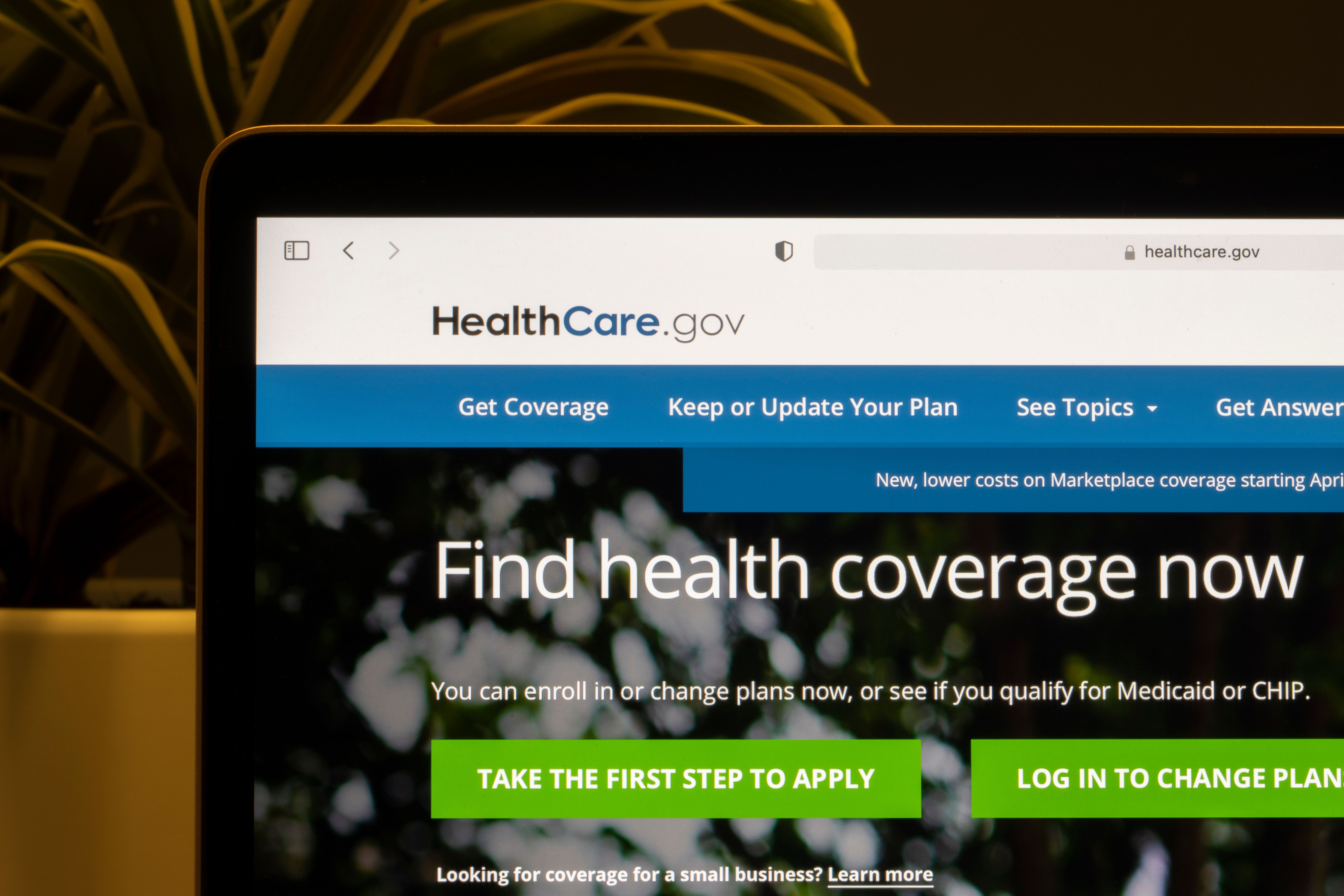
The website officially launched on February 5, introducing a key part of the Trump administration’s health care plan.

ACOs entering MSSP with higher spending were consistently more likely to earn bonuses—a gap that persisted after a 2017 benchmarking policy change.

Reform priorities aim to reshape PBM oversight, delink compensation from drug prices, boost transparency, and protect pharmacy access.

Medicare Advantage beneficiaries face forced disenrollment in 2026 as plan exits drive coverage termination, pushing millions toward traditional Medicare and Part D’s $2100 cap.

The editor in chief of Evidence-Based Oncology lauds Congress' authorization of a path for Medicare coverage for multicancer early detection.

Oral semaglutide (Wegovy; Novo Nordisk) expands GLP-1 weight-loss options, but pharmacy budgets and health care cost pressures persist.

Collaborative care use has surged 26-fold, but state reimbursement gaps leave many patients without integrated mental health care in primary care.

The ACCESS Model signals a shift toward outcome-aligned payments and a necessary reframing of what “value” actually means.

AI revolutionizes pharmacy by automating workloads, enhancing patient care, and navigating drug pricing challenges amid evolving federal policies.
The most-viewed content focused on the “One Big Beautiful Bill,” the Most Favored Nation drug policy, and other changes under the Trump administration.

A reimbursable, team-based remote blood pressure monitoring program significantly improved hypertension control in patients with multiple chronic conditions.

Readers of PHEO this year found value in research, conference coverage, and insights that touched on health outcomes and care quality.
Federal policy changes, the push for fair pricing, and growing competition in the drug pipeline were major topics at this year’s meeting.
Leaders describe how shared data, theranostics programs, and coordinated clinical trials support independent practices and advance value-based cancer care.

How strategic partnerships in oncology can enhance patient care by addressing diverse needs through collaboration.

Oncology leaders warn that declining reimbursements and policy gaps threaten patient access and drive inequities in cancer care.

Recent political shifts impacting health policy and access to care for millions dominated the news in 2025.

Bills to Address Expiring ACA Subsidies Fail to Pass Senate
Published: | Updated:
Both health care plans brought forward by Republican and Democratic senators, respectively, did not garner enough support from across the aisle.

A study finds that community oncology practices limit financial toxicity for patients with cancer, offering significant cost savings compared with hospital outpatient settings.

A new study shows fee-for-service care is linked to higher odds of low-value surgery, suggesting salaried models may reduce unnecessary procedures.

Automating Processes Can Help Prevent Avoidable Losses of Coverage: William Schpero, PhD, MPhil, MPH
Avoiding losses of coverage due to administrative barriers can be done with a focus on making some of the processes automatic.
Advertisement
Advertisement
Trending on AJMC
1
Delayed Dupilumab Raises Asthma Costs 32%: Nicola Hanania, MD
2
A Patient-Centered Reconstruction of 340B in Oncology: Transparency, Equity, and Site-of-Care Accountability
3
FDA Expands Finerenone Approval to CKD Associated With Type 1 Diabetes
4
Oral GLP-1s, Medicare Bridge Reshape Obesity Care: Holly Lofton, MD
5