



Reimbursement
Latest News

Advertisement
Latest Videos






Advertisement
More News

A new survey reveals widespread consumer frustration with prior authorization, highlighting the need for urgent reform in insurance coverage.

Patients face increasing barriers to healthcare access as physician shortages rise and Medicare payment systems fail to support independent practices.

The Supreme Court decision in Medina v Planned Parenthood South Atlantic and the subsequent passing of the budget bill leave Planned Parenthood clinics and their patients in a precarious spot, says Danika Severino Wynn, CNM.

Christine Pfaff, MBA, RPh, joins COA as director of clinical initiatives, enhancing support for community oncology practices and pharmacy operations amid health care challenges.

CMS proposes the 2026 Physician Fee Schedule (PFS), addressing payment disparities in oncology, but the community oncology community warns of financial threats from the Inflation Reduction Act. Updates reflect late Tuesday release of the proposed 2026 schedule for the Hospital Outpatient Prospective Payment System.

Medicare inflation rebates fail to curb rising drug prices, highlighting the need for further policy action to control costs.

The recent decision in Kennedy v Braidwood could give Robert F. Kennedy Jr, secretary of HHS, the ability to remove all members of the US Preventive Services Task Force (USPSTF) if desired, according to Jeffrey Fitzgerald, JD.

Artificial intelligence (AI) transforms oncology by enhancing decision-making, improving patient care, and streamlining operations, while addressing challenges in data accuracy and equity, said speakers at the Tennessee Oncology “Tech Innovations in Community Oncology."

The decision could have ripple effects across the country when it comes to state governments deciding who gets to receive Medicaid funds, says Jennifer Evans, JD.
Artificial intelligence (AI) will transform community oncology, addressing workforce shortages and reimbursement challenges while enhancing patient care and operational efficiency, discussed speakers at Tennessee Oncology's “Tech Innovations in Community Oncology."

Precision oncology has entered a new phase, as data sets mature and a new wave of tools emerges to help clinicians manage cancer care over time.
The Braidwood decision maintains the status quo for many patients, keeping preventive services covered by Medicaid under the Affordable Care Act (ACA), says Jeff Fitzgerald, JD.
The Supreme Court decision in Medina v Planned Parenthood interprets the Social Security Acts Medicaid provision as not being able to be enforced by an individual, according to Jennifer Evans, JD.

Ted Okon, MBA, of the Community Oncology Alliance discusses how community oncology faces a revenue crisis due to the Inflation Reduction Act's impact on Medicare reimbursement, risking patient access to vital cancer treatments.
South Carolina had previously barred abortion clinics, including Planned Parenthood, from participating in Medicaid, leaving many patients vulnerable to uncovered treatment.
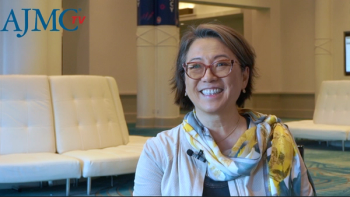
As community oncology evolves to deliver chimeric antigen receptor (CAR) T and bispecific therapies closer to home, support is needed to ensure patient access and precision medicine capabilities, says Nini Wu, MD.

The National Comprehensive Cancer Network (NCCN) policy summit highlighted the need for improved communication between oncology and primary care to enhance cancer survivor outcomes and care transitions.


The Inflation Reduction Act (IRA) may be restricting Medicare Part D formularies, increasing patient costs, and stifling pharmaceutical innovation, experts warned at the Academy of Managed Care Pharmacy 2025 annual meeting.

Debra Patt, MD, PhD, MBA, executive vice president of Public Policy and Strategy for Texas Oncology, said the practice received positive feedback from nurses and patients during a pilot that concluded in February.

Jorge García, PharmD, MS, MBA, MHA, highlights the need for infusion pharmacy optimization to sustain oncology care amid rising costs and evolving value-based reimbursement models.

The design of the Enhancing Oncology Model (EOM) was a perfect fit for Minnesota Oncology.

Independent pharmacies have filed 3 class action lawsuits against GoodRx Holdings and major pharmacy benefit managers (PBMs).

CMS is creating infrastructure to improve coverage of prescription digital therapeutics (PDTs), and new legislation would also drive uptake of PDTs.

Stuart Staggs, vice president of transformation and shared services at McKesson, explained that oncology practices in the Enhancing Oncology Model (EOM) have a tough job driving down costs when drug costs make up a larger portion of the total cost of care.
Advertisement
Advertisement
Trending on AJMC
1
Delayed Dupilumab Raises Asthma Costs 32%: Nicola Hanania, MD
2
A Patient-Centered Reconstruction of 340B in Oncology: Transparency, Equity, and Site-of-Care Accountability
3
FDA Expands Finerenone Approval to CKD Associated With Type 1 Diabetes
4
Oral GLP-1s, Medicare Bridge Reshape Obesity Care: Holly Lofton, MD
5