
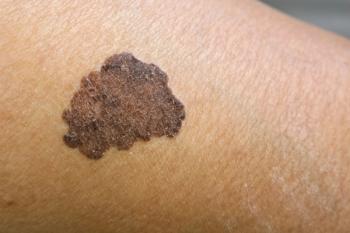
Two AAD 2026 posters highlight persistent melanoma disparities: men have worse survival, whereas minority patients are less likely to receive home or hospice end-of-life care.
Two AAD 2026 posters highlight persistent melanoma disparities: men have worse survival, whereas minority patients are less likely to receive home or hospice end-of-life care.
Steven Daveluy, MD, discusses 3-year findings that show 86% of patients remained HS flare-free throughout treatment, reinforcing the case for early intervention.
Proactive adverse effect management helps patients with skin cancer stay on treatment longer, according to Todd Schlesinger, MD.

Continuing conversations from last year, experts at the AAD Annual Meeting in Denver weighed the pros and cons of teledermatology and AI.
Key session speakers and abstract presenters share their highlights of attending AAD 2026.
Lauren Madigan, MD, shares open-label extension results demonstrating sustained improvements with avapritinib in patients with indolent systemic mastocytosis.
Melinda Gooderham, MD, MSc, FRCPC, discusses findings from the Latitude PsO 3001 and Latitude PsO 3002 studies evaluating zasocitinib.
Todd Schlesinger, MD, discusses how new immunotherapies and multidisciplinary care are reshaping treatment approaches for patients with advanced skin cancers.

This morning, experts delivered "short and sweet" updates on treatment strategies for common dermatologic conditions.

Experts at the 2026 AAD Annual Meeting urged dermatologists to engage in advocacy to protect practices and patient access amid growing challenges.
Martina Porter, MD, discusses long-term results from the phase 3 STOP-HS program evaluating povorcitinib in patients with hidradenitis suppurativa.
April Armstrong, MD, MPH, discusses findings from the TRACE study, which evaluated the real-world effectiveness of tralokinumab in patients with skin of color with AD.
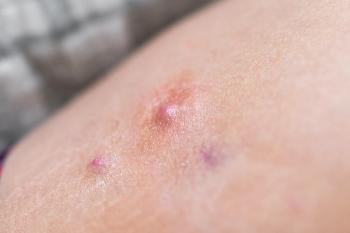
Two posters demonstrated povorcitinib's durable 54-week efficacy and a favorable safety profile in moderate to severe HS, including patients previously on anti-TNF therapy.

Experts at the 2026 AAD Annual Meeting noted that, together, PCP support, community outreach, and teledermatology help reduce care gaps.

Linda Stein Gold, MD, shares efficacy and safety findings from the ICONIC-ADVANCE studies in moderate to severe psoriasis.
Clinicians need to adjust their diagnostic lens and counseling strategies in patients with skin of color, explained Joseph Lam, MD.

Experts at the 2026 AAD Annual Meeting explained that teledermatology helps dermatologists manage their workload and expand patient access beyond traditional in-person care.
James Song, MD, discusses the direction teledermatology is heading and how more inclusive clinical trials can improve outcomes for patients of color.
Linda Stein Gold, MD, shares recent findings from the pooled phase 3 analysis of the ADORING 1 and ADORING 2 trials for atopic dermatitis.

Ruxolitinib cream can meaningfully improve skin repigmentation and QOL for patients with vitiligo, but its full benefit depends on improved patient education, guidance, and support for consistent, long-term use.

This year's meeting in Denver, Colorado, features more than 275 sessions, including 40 new offerings, and a fireside chat with EGOT winner John Legend.
James Song, MD, previews new oral therapies and guidelines psoriasis, atopic dermatitis, and chronic spontaneous urticaria.
Here are our top highlights from AAD 2025 that include safety of topical JAK inhibitors, climate impacts on skin health, affordability of classic therapies, and advancing AI in dermatology.
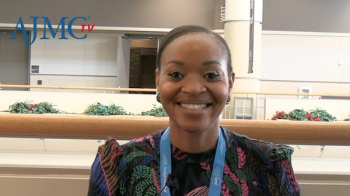
Crystal Aguh, MD, FAAD, Johns Hopkins School of Medicine faculty, advocates for increased funding and education to address hair loss disparities within the African diaspora, emphasizing the need for culturally sensitive treatment and research.
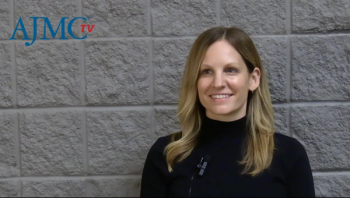
Elizabeth Jones, MD, FAAD, highlights the persistent issue of insurance companies favoring expensive, newer medications over equally effective generics in dermatology, emphasizing the time-consuming prior authorization process and advocating for patient partnerships and systemic improvements.
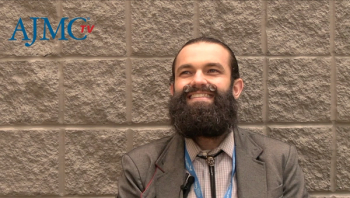
Steven Daniel Daveluy, MD, FAAD, discussed how artificial intelligence (AI) can leverage extensive patient data and guide dermatologists to improve early diagnosis and treatment of rare dermatological diseases through teledermatology.

The role of artificial intelligence, DataDerm, and telehealth in advancing dermatology care was discussed throughout the meeting, with experts highlighting their potential regarding patient access and health equity.
Experts discussed advancements in dermatology treatment while emphasizing the value of in-person collaboration and professional rejuvenation at the American Academy of Dermatology 2025 conference.
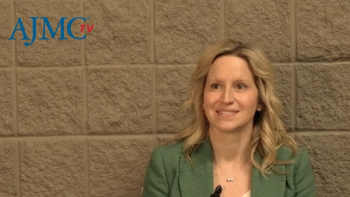
In an interview with Brittany Craiglow, MD, FAAD, dermatologist at Dermatology Physicians of Connecticut in Fairfield, she advocates for combination therapies using baricitinib to treat pediatric alopecia areata and highlights the need for personalized treatment approaches based on Janus kinase inhibitor responses.

Discussions centered on mitigating the financial burden of pediatric atopic dermatitis through financial aid programs and enhancing support for young patients to independently manage their condition were emphasized at this year’s 2025 American Academy of Dermatology meeting.