
Bo Gamble, Director of Strategic Practice Initiatives, Community Oncology Alliance, highlights his questions for the keynote speakers of the 2021 Community Oncology Conference, and takeaways he hopes audience members gain from the sessions.
Bo Gamble, Director of Strategic Practice Initiatives, Community Oncology Alliance, highlights his questions for the keynote speakers of the 2021 Community Oncology Conference, and takeaways he hopes audience members gain from the sessions.
Ted Okon, MBA, executive director, Community Oncology Alliance (COA), speaks on the most significant challenges members encountered in the past year managing the COVID-19 pandemic ahead of the 2021 Community Oncology Conference.
Jeff Patton, MD, CEO, OneOncology, chairman of the board, Tennessee Oncology, discusses what audience members should expect from the Community Oncology Conference 2021 and sessions he is looking forward to.
At the National Comprehensive Cancer Network Annual Conference, Arlene O. Siefker-Radtke, MD, discussed immune checkpoint inhibitors and their potential in urothelial bladder cancer.
Updates to the NCCN Guidelines in multiple myeloma reflect recent trial results, giving clinicians and patients many choices.
A panel at the NCCN Virtual Annual Meeting finds that while primary care physicians and oncologists can share information, records may not be well integrated and in easy-to-use formats.
Penn Medicine's Stephen Schuster, MD, offers an overview of an eventful year in CAR T-cell therapy at the NCCN Virtual Annual Meeting.
A keynote session at the NCCN Virtual Annual Conference brought a panel of patient advocates and experts together for a timely and necessary discussion about strategies to reduce racial disparities in oncology.
During a session at the National Comprehensive Cancer Network (NCCN) annual virtual conference, the payer perspective and physician experiences with PRO systems in both the community and academic medical center settings took center stage.
Pharmacists from the Cleveland Clinic discuss the impact of payer dispensing requirements, known as white bagging and brown bagging, on oncology practices and on patients.
Amye J. Tevaarwerk, MD, director of the Survivorship Program at the University of Wisconsin Carbone Cancer Center, discussed the impact that cancer diagnosis and treatment can have on survivors when it comes to work.

During a session presented at the America’s Health Insurance Plans (AHIP) National Health Policy Conference, Michael Chernew, PhD, the director of Healthcare Markets and Regulation Lab at Harvard Medical School, and Mark McClellan, MD, PhD, founding director at Duke Margolis Center for Health Policy, discussed the potential for Medicare innovation and reforms in 2021 and beyond.

The $1.9 trillion spending package aimed at providing COVID-19 relief for those with low and middle incomes also represents the biggest investment in the exchange marketplaces created by the Affordable Care Act (ACA) since the landmark law was passed 11 years ago.

During a session presented at the America’s Health Insurance Plans National Health Policy Conference, experts laid out potential policy priorities for states in the wake of the COVID-19 pandemic.

In a session presented at America’s Health Insurance Plans (AHIP’s) National Health Policy Conference, federal health officials and health plan representatives highlighted successes of the country’s ongoing COVID-19 vaccine rollout, placing particular emphasis on the role equity plays in distribution.

An administrator in the Geisinger Cancer Institute discusses the rollout of ClinicalPath.

A panel at the Association of Community Cancer Centers discusses lessons from the year of COVID-19.

Quick policy changes and the necessity to alter care delivery amid a global health crisis helped larger facilities adapt to the new realities of COVID-19.

A presentation at the ACCC 47th Annual Meeting & Cancer Center Business Summit gave virtual attendees an overview of research on PROs and how RSM can be incorporated into an oncology practice.
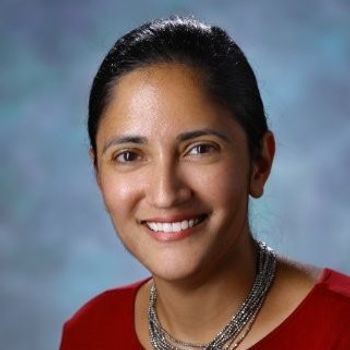
Kavita Patel, MD, MS, FACP, a fellow at the Brookings Institution Center for Health Policy, touched on key topics in health care at the ACCC 47th Annual Meeting and Cancer Center Business Summit.
During a 2021 AcademyHealth National Health Policy Conference session, members of The Commonwealth Fund Task Force on Payment and Delivery System Reform discussed policy recommendations aimed at preparing the United States for future pandemics and addressing care inequities brought to light by the coronavirus disease 2019 crisis.
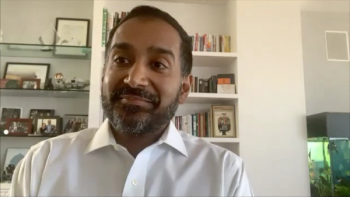
Sachin Jain, MD, MBA, FACP, president and CEO at SCAN Group and SCAN Health Plan, discusses how data can help ensure that vulnerable populations aren't harmed by value-based payment models.

In a panel at the 2021 AcademyHealth National Health Policy Conference, representatives from 3 community health plans across the United States discussed how payers are driving telehealth access and utilization in the wake of the coronavirus disease 2019 pandemic.

Former HHS secretary Kathleen Sebelius and Sachin Jain, MD, MBA, CEO of SCAN Group and Health Plan, took time to reflect on the advent of the Affordable Care Act (ACA) and examine the Biden administration’s opportunity to enact influential health policy on the first day of the 2021 AcademyHealth National Health Policy Conference.

Kicking off the 2021 AcademyHealth National Health Policy Conference, Marcella Nunez-Smith, MD, MHS, stressed the important role that accurate data play in the effort to prioritize health equity during the coronavirus disease 2019 pandemic.
The 62nd American Society of Hematology (ASH) Annual Meeting and Exposition featured leading experts in hematology and covered some of the most cutting-edge research in the field.
Experts discussed "transformative" treatments and advanced genetic tracing in blood cancer at the 2020 American Society of Hematology Annual Meeting.

Pharmacy benefit managers (PBMs), once just administrators created to ease claims processing, have grown to a position of power that comes with conflicts of interest aplenty, said a panel at Patient-Centered Oncology Care® 2020.
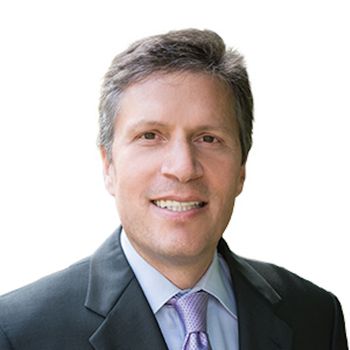
Harlan Levine, MD, highlighted the chasm present in oncology today during his talk during this year’s Patient-Centered Oncology Care® 2020 conference.

A panel at Patient-Centered Oncology Care® 2020 discussed the challenges of a pandemic as oncology practice transformation initiatives continue on.