

Universal HCV testing in pregnancy, DAA therapy, and earlier infant RNA testing can curb mother-to-child hepatitis C transmission.
Universal HCV testing in pregnancy, DAA therapy, and earlier infant RNA testing can curb mother-to-child hepatitis C transmission.

Infant flu protection from maternal vaccination varied by timing, while pediatric vaccination fell to 49.4%, experts report at IDWeek 2026.

Speakers at IDWeek 2026 urged shifting global health partnerships from donor-recipient models to shared, locally led ownership as funding contracts.

Leon W. Herndon Jr, MD, explains how disease severity, medication adherence, and pressure spikes shape surgical planning.

Ambient AI and analytics may ease clinical workloads and uncover insights, but safety, validated data, HIPAA compliance, and equity must guide adoption.
Immediate DAA treatment, syringe services, and society advocacy are key to eliminating the hepatitis C virus (HCV) among people who use drugs.
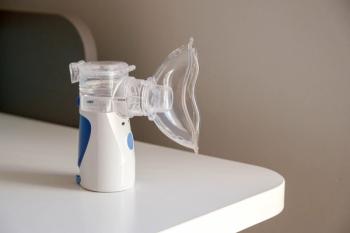
ALIS added to azithromycin and ethambutol raised culture conversion in new MAC lung disease, with rare resistance, in an ENCORE analysis at IDWeek 2026.
Tennessee Oncology’s Johnetta Blakely, MD, MS, discusses how AI could ease workforce strain, support quality tracking, and the barriers to adopting it.

OneOncology's Edward "Ted" Arrowsmith, MD, MPH, explains how pathways keep pace with new approvals and why real-time data will shape their future.

AMCP Nexus 2026 brings managed care leaders to San Diego October 26-29 to tackle Medicare negotiation, drug pricing policy, AI, and patient access.

IDWeek 2026 posters describe a rule-based tool classifying about 1 in 5 patients with cUTI as outpatient-eligible and 5 clusters with varied LOS.

Insmed’s once-daily TPIP prodrug shows sustained lung vasodilation in PAH and PH-ILD, improving walk distance and other key measures.

EMR inboxes and insurance peer-to-peer calls are pulling clinicians away from patients, a growing concern reflected across CHEST 2026.

A COPD discharge checklist and navigator improved readmissions without lengthening hospital stays or increasing emergency department revisits.

Early goals-of-care talks, ethics consults, and upstream planning can help ICU teams deliver care that matches what patients actually want.
Tennessee Oncology's Wade Iams, MD, MSCI, discusses staffing and tocilizumab access as barriers to expanding BiTE therapy and the costs of cell therapy.

Most specialty pharmacist interventions were routine refill and adherence touchpoints, with symptom trends driving higher-stakes provider escalations.

ASPEN links green sputum to neutrophils and exacerbations; brensocatib (DPP1) lowers purulence, while meta-analysis supports fewer flare-ups in bronchiectasis.

At CHEST 2026, 3 speakers explained why respiratory medications stay expensive, assessed what recent federal, state, and industry fixes have achieved, and urged clinicians to use their voices on behalf of patients.

Experts at CHEST 2026 urge pulmonologists to keep lung cancer in mind for younger patients who never smoked, to order screening and biomarker testing themselves, and to advocate for patients' access to care.

Tiara Green of Accessia Health says demand for charitable patient assistance is outpacing donations as inflation and Part D changes strain patients.

Charge nurse–led multidisciplinary rounds caught ICU lines and catheters due for removal that academic teaching rounds often missed, said Pooja Roy, MD.

Limited access to care means safety-net ICUs see advanced disease and poorer outcomes, while bias and social media add new challenges to care.

Pulmonologists play a key role in comprehensive biomarker testing, helping more patients with lung cancer access precise targeted therapies.
Managed care pharmacy leaders will gather at AMCP Nexus 2026 to discuss safe AI adoption, evolving drug pricing policy, and practical solutions.

The meeting covered several topics in eye care, including how artificial intelligence (AI) can play a part in eye care.

OneOncology's Larry Bilbrey explains how to guide practices on AI without endorsing products and why technology gaps outweigh workflow problems.

Speakers at CHEST 2026 walked through the first CHEST guideline for non-CF adult bronchiectasis, including which preventive therapy to start first.

On the opening day of CHEST 2026, the organization's flagship journal highlights a trio of key papers with practice-changing results for COPD.

Selected presentations from “Reframing COPD: Phenotypes, Outcomes, Therapeutics, and the Future of Care Delivery,” a session on the opening day of CHEST 2026.