
PASSAGE trial data showed tezepelumab reduced asthma exacerbations in diverse and underrepresented patient populations, noted Njira L. Lugogo, MD.
PASSAGE trial data showed tezepelumab reduced asthma exacerbations in diverse and underrepresented patient populations, noted Njira L. Lugogo, MD.

ATS 2026 findings highlighted bleeding risks and hemodynamic responses with sotatercept in CTD-associated pulmonary arterial hypertension (PAH).


Early results show the potential for congestion pricing and clean air zones to be beneficial for the health of children in major cities.
RECOVER Initiative findings highlighted the heterogeneity of long COVID symptoms and mechanisms in diverse patient populations.
PASSAGE study data showed tezepelumab improved asthma outcomes across diverse, underrepresented patient populations.

Differences between sexes in cardiovascular health can appear as early as the neonatal stage in preterm infants.

Demetre Daskalakis, MD, MPH, Callen-Lorde, opened the first full day of ATS 2026 by highlighting the past, present, and future of vaccine policy in the US.

The conference, set to take place in Orlando, Florida, features sessions focusing on new research and environmental impacts in the thoracic space.

When added to maximally tolerated statin therapy, inclisiran was associated with significant reductions in MACE and hospitalizations among patients with ASCVD.

Health-system specialty pharmacies leverage EHR insights to enhance real-world evidence, improve access, and streamline prior authorizations.

Eileen Ehret, BS, Navista, focuses on aligning quality improvement with patient safety, engaging all stakeholders, and creating safe spaces to drive change in oncology.

Experts dismantled the assumption that direct-to-patient is a universal affordability solution, offering manufacturers a practical framework for deciding which model is actually right.

New data show how systemic inflammation independently raises the risk of CKD progression and cardiovascular events after acute myocardial infarction.
AI drives community oncology transformation as practice leaders offer examples of what is working in community oncology to streamline calls, triage, and documentation.

Experts at AXS26 laid out why advanced therapies are underutilized and what payers, providers, and manufacturers must do together to change that.

At NAACOS 2026, experts highlighted how real-world AI tools are improving care delivery, outcomes, and efficiency across the health care landscape.

As CAR T-cell therapy reaches community oncology, practice leaders discuss the challenges of payer hurdles, single case agreements, apheresis costs and whether to pursue accreditation.
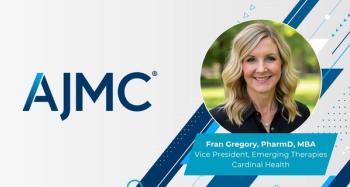
Advanced therapies are pressuring reimbursement and necessitating real-world durability data and new payment models, said Fran Gregory, PharmD.
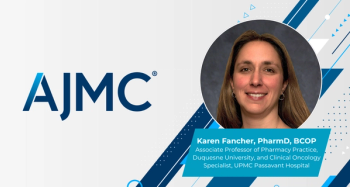
Karen Fancher, PharmD, BCOP, emphasizes a pharmacist’s pivotal role in CLL care through communication, adherence strategies, and bridging patients with medical teams.

Pharmacy innovation—from automation to cell and gene therapy—has moved from future promise to present reality, says Cencora's Ryan Telford, PharmD.
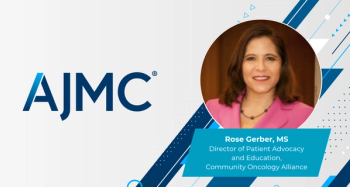
Rose Gerber, MS, explains how listening, personal experience, and small steps can transform patients into powerful advocates for their own care.

At AXS26, leaders shared the hard-won organizational, strategic, and operational lessons from rounds 1, 2, and 3 of the Medicare Drug Price Negotiation Program.
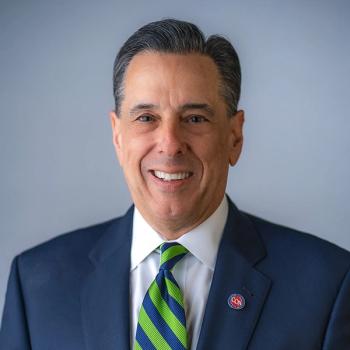
Policy experts discuss how PBM reforms came together, what changes are on the horizon, and what threats are looming for community oncology.

Experts examine what is working in production, where the guardrails are being tested, and why the most transformative chapter of AI in health care hasn’t started yet.

Lekan Ajayi, PharmD, explains how remote therapy monitoring keeps patients with cancer on track with their care and reduces emergency visits.
New research incorporating Flatiron Health and SEER data, confirms community oncology care matches or beats other settings, says Diana Verrilli, MS, Navista.

Bringing these curative treatments to more patients means making them available at the community practice level. But that's a big lift, according to experts who spoke at a COA session.

Results of a study using Flatiron Health and SEER data show that community oncology patients with metastatic breast cancer and metastatic NSCLC live longer, highlighting advantages of COA-backed local care.

As pricing reforms like Most Favored Nation reshape global drug launches, patients may ultimately pay the highest price, said Dee Chaudhary of Clarivate.