

Two posters presented at EASL 2026 clarify where peginterferon alfa-2b fits in therapy for patients with chronic hepatitis B.
Two posters presented at EASL 2026 clarify where peginterferon alfa-2b fits in therapy for patients with chronic hepatitis B.

Heiner Wedemeyer, MD, offered an unflinching assessment of viral hepatitis medicine, celebrating landmark breakthroughs while issuing a clear warning that the field is failing the populations it set out to protect.

Mezigdomide, a powerful CELMoD, doubles PFS in relapsed or refractory multiple myeloma, offering hope when IMiDs stop working.

Week 96 SOLSTICE data show tobevibart plus elebsiran deepens durable hepatitis D virus (HDV) and HBsAg suppression, beating monotherapy.
Elliot Tapper, MD, explains how digital health, precise screening, and direct hepatology care can treat alcohol-associated liver disease and mental health.
Re-engagement rates for patients with hepatitis B lost to follow-up range from 2% to 100% globally, with proximity to patients driving the best outcomes.

Low risk stratification rates are fueling a looming MASH cost crisis, but earlier treatment access could bend the curve, said Zobair M. Younossi, MD.

ASCO 2026 spotlights practice-changing cancer data: PROTEUS in prostate cancer, RAS(ON) inhibitor daraxonrasib, new bispecifics, and GLP-1 signals.
New data highlight pevifoscorvir’s potent antiviral activity and sustained hepatitis B antigen suppression lasting up to 96 weeks after treatment.
Meena Bansal, MD, discusses the evolving MASH pipeline and why precision phenotyping, biomarkers, and cardiovascular outcomes data remain critical gaps.

Phase 2 data for DD01 and pemvidutide show liver-directed MASH benefits beyond weight loss, with strong tolerability heading into phase 3.

Full results from the pivotal B-Well 1 and B-Well 2 phase 3 trials confirm that bepirovirsen delivers statistically significant functional cure rates in chronic hepatitis B.

Two posters presented at the EASL Congress 2026 highlight promising clinical and preclinical findings for AHB-137.

The American Thoracic Society 2026 International Conference included sessions that focused on topics such as pulmonary rehabilitation and global disparities in thoracic care.

ATS 2026 showcased new pulmonary therapies, clinical trials, and cross-specialty collaboration to improve patient care.
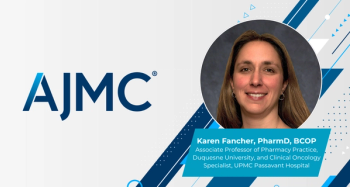
Pharmacists need better support to manage emotional strain tied to patient suffering, treatment costs, and care decisions, says Karen Fancher, PharmD, BCOP.

Ontada research presented at ISPOR 2026 shows the NCCN Distress Thermometer can predict overall survival in metastatic cancers, but the relationship varies by cancer type.
Ontada finds that EHR-based education boosts NCCN guideline-concordant care for patients with HER2-low metastatic cancer, raising targeted treatment use among providers who took part in the education activities.
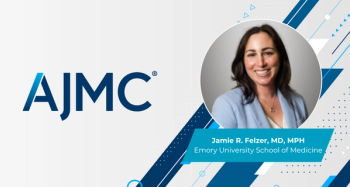
Jamie R. Felzer, MD, discusses vaccine misinformation, public mistrust, and strategies to restore confidence in this science.

Yet Khor, MD, PhD, discusses ILD care disparities, telehealth, trial awareness, and shared care strategies.
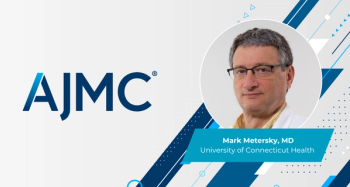
Mark Metersky, MD, discussed heterogeneity, pathogens, and precision approaches in community-acquired pneumonia care.
Jamie R. Felzer, MD, discussed emerging vaccine strategies, preventive care, and translating evolving evidence into pulmonary practice at ATS 2026.

Yet Khor, MD, PhD, highlights diagnostic delays, language barriers, and inequities impacting ILD and PF care access.

New data examine switching biologics in severe asthma and inhaled treprostinil's effect on lung function in idiopathic pulmonary fibrosis (IPF).

Poster data show the efficacy of nerandomilast in patients with idiopathic pulmonary fibrosis (IPF) and progressive pulmonary fibrosis.
SUNRISE data showed tezepelumab improved asthma outcomes while reducing steroid dependence in severe asthma.
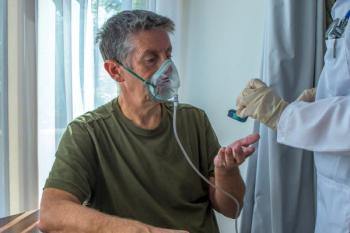
FVC percent predicted could differ in those with ILD who progress to terminal outcomes, indicating a need for patient monitoring.
Diana Verrilli, MS, of Navista breaks down the regulatory, payer, and cybersecurity pressures threatening community oncology practices—and maps a path forward.
Chad Hochberg, MD, discussed how ICU learning health systems and predictive tools may improve critical care delivery.
SUNRISE trial data showed tezepelumab reduced oral steroid use while maintaining asthma control in severe asthma.